Interfaith Couple Jewelry: Symbols That Belong to Both of You
Styling & Trends — the notes below follow the order we actually quote, sample and ship these pieces.
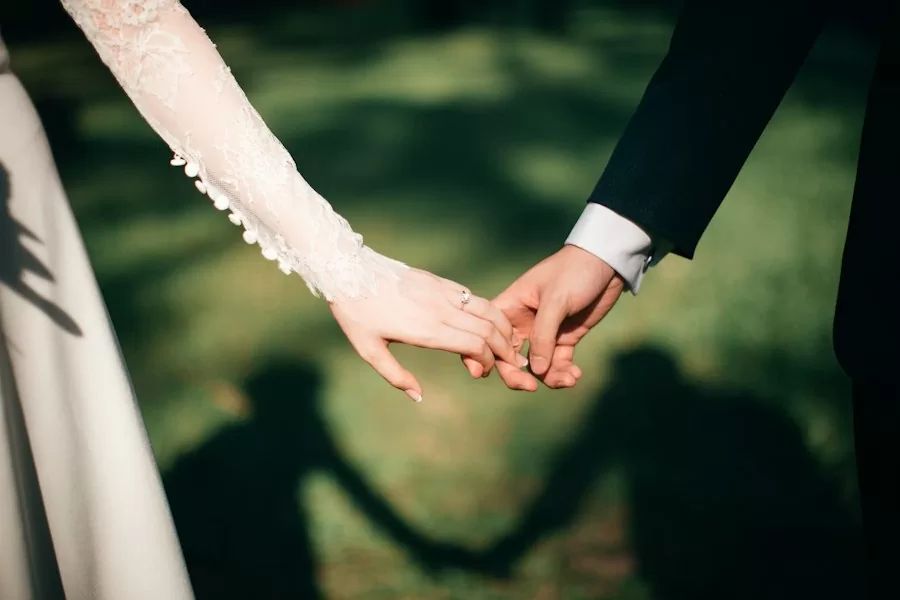
When two people from different faith traditions build a life together, the small symbols suddenly matter. The wedding. The holiday season. The baby's naming. The jewelry worn every day. Each one is a chance to either blend the two worlds or accidentally pick one over the other. For interfaith couples, couple jewelry is one of the gentler places to work this out, because it is small, it is wearable, and it can be designed together rather than negotiated at a family dinner.
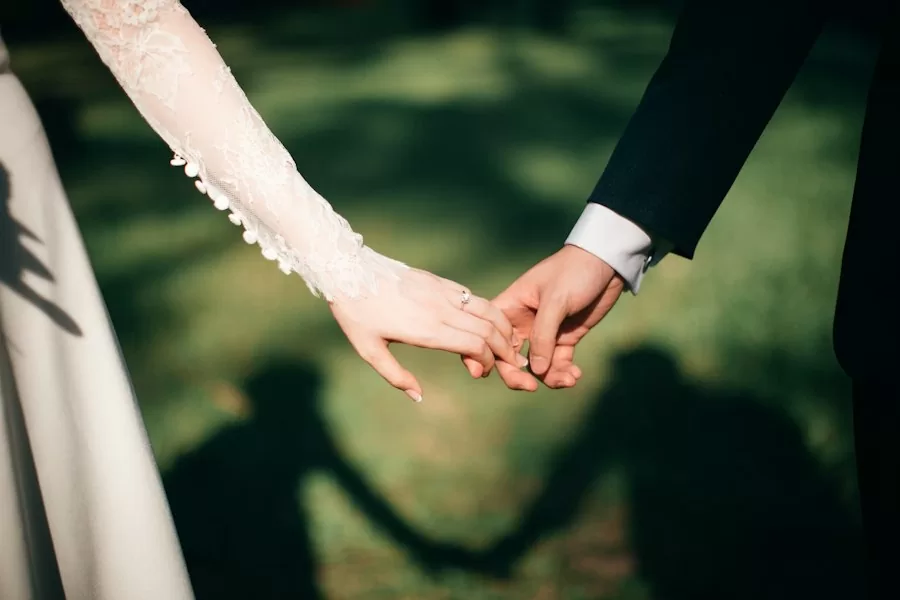
The goal is not to fuse the two faiths into one new symbol. That usually reads as forced and can feel disrespectful to both. The goal is to wear both symbols, side by side, on your own terms.
Two pendants, one chain, or two chains
The simplest, most honest design is two small pendants on one chain. A tiny hamsa on one side, a small cross on the other. A Star of David beside a small Om charm. Neither symbol dominates. They sit next to each other at the collarbone, and the necklace quietly says: these are both true, for me.
Some couples prefer each person wears one symbol and a shared third. One partner wears their own tradition, the other wears theirs, and both wear a small interlocking or matching piece that is purely about the relationship. The shared piece is the "us" pendant. The individual pieces are the "me" pendants. It is a clean separation that avoids asking anyone to give up what they grew up with.
Engraving as the common ground
For couples who do not want visible religious symbols at all, engraving is the neutral, beautiful middle. A shared date - your wedding date, in roman numerals or Arabic numerals - on the inside of a band or the back of a pendant is a piece that belongs to both faiths because it belongs to neither. It marks the day you chose each other, not the tradition you chose. This is often the piece that survives the longest, because it never has to be renegotiated.
Many couples combine both: a visible symbol from one tradition, a visible symbol from the other, and a shared date engraved on the back. Three layers of meaning, three reasons to wear the piece every day.
Respecting the symbols you use
A practical note: symbols from living faiths should be chosen deliberately, not picked from a catalog because they look nice. A cross, a hamsa, a khanda, an Om - each has a community behind it. Talk about what each symbol means to the person whose tradition it comes from. If a mezuzah pendant feels like costume to one partner, do not put it on the other person's chain. The point is respect, not aesthetics. When in doubt, ask someone from that tradition - most people are flattered to explain, and happy to help you avoid a mistake.
What this jewelry actually does
Including the children later
When kids arrive, the jewelry conversation expands. Many interfaith couples choose to give each child a small piece that carries both sides of the family - perhaps a tiny symbol from each tradition, or a shared engraved date. The pendant becomes a starting point for a conversation rather than a fixed answer. You are not deciding the child's faith for them. You are giving them a small object that says: your two families, your two traditions, both matter here. When they are old enough, they can choose what to keep, what to set aside, and what to add. Our guide to family birthstone pieces is a useful reference if you later want to extend the jewelry language to include children's birth months alongside the symbols.
It is also worth remembering that no piece of jewelry has to solve the whole question. A necklace cannot decide where the kids go to school, which holidays you celebrate, or how you pray. It can only sit quietly at the collarbone and remind both of you that the goal was never to merge into one tradition. The goal was to build a new one, together, that borrows from both.
Interfaith couple jewelry is rarely about making a statement to strangers. It is about making a statement to each other. On a hard day - a family holiday that felt lopsided, a question from a child, a moment of wondering whether you are doing this right - a hand goes to the neck, and the symbols are there. They say: both of us, both of our histories, both of our ways of being in the world, are in this marriage. That is not a compromise. That is a more complicated, more honest kind of love, and it deserves a piece of jewelry that matches it.
Authoritative References
For buyers who need to verify the technical and regulatory basis of this guide, the following independent institutions publish authoritative reference data:
- ISO 9001 Quality Management - the international standard for consistent production quality.
- Wikipedia: Jewelry - manufacturing processes, materials and global trade background.
Frequently Asked Questions
How do I verify a factory before placing a bulk order?
Request a production video, business license, export records and a paid sample run. A factory that accepts a 50-piece test order is usually a real manufacturer.
What payment terms do you offer?
30% T/T deposit with the balance against the bill of lading. This protects both sides on first orders and can move to net terms after a track record.
What is your normal reject rate?
3–5% under 10x loupe inspection for cast and set pieces. Defective units are replaced free in the next shipment.
Where is the factory located?
Wuzhou, Guangxi, China—the core lab-grown and moissanite manufacturing cluster. Shipments go via Guangzhou or Shenzhen ports.
Every figure here is quoted from our own bench in Wuzhou.
Send a spec sheet