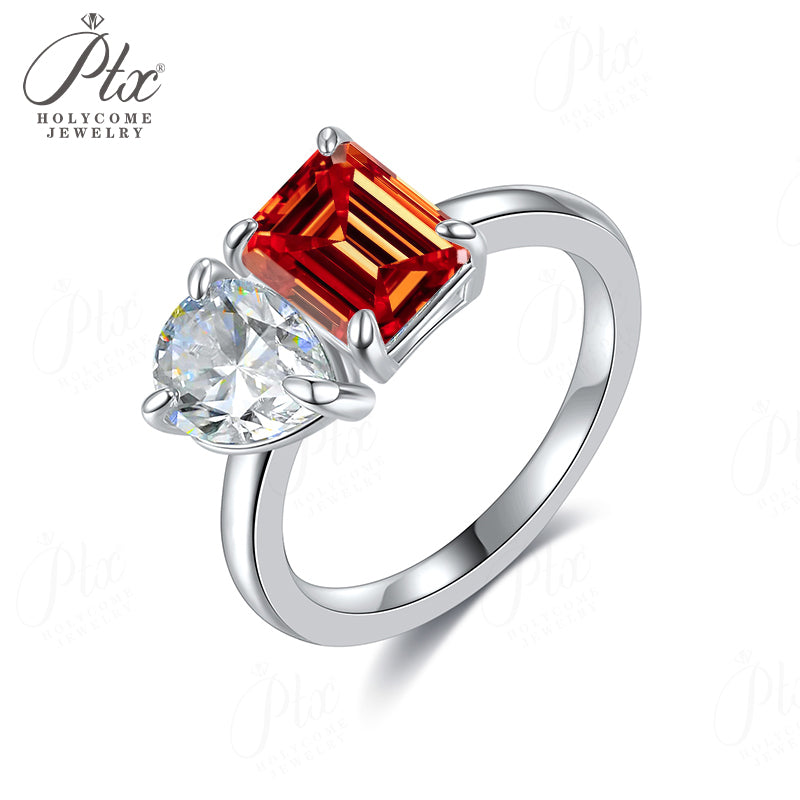
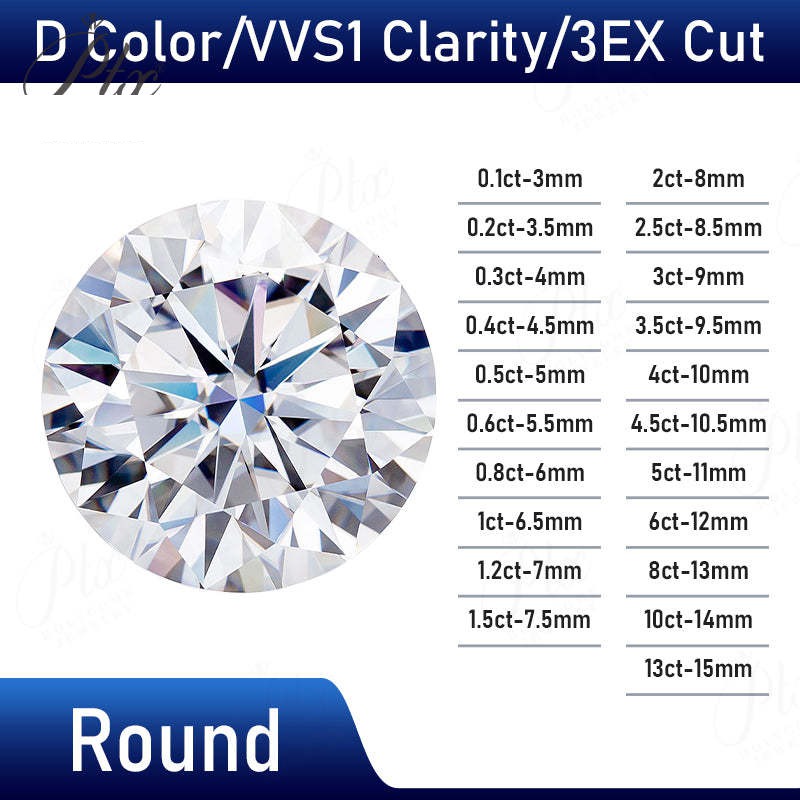
Garnet Birthstone Pendant: The Deep-Red January Stone, Explained
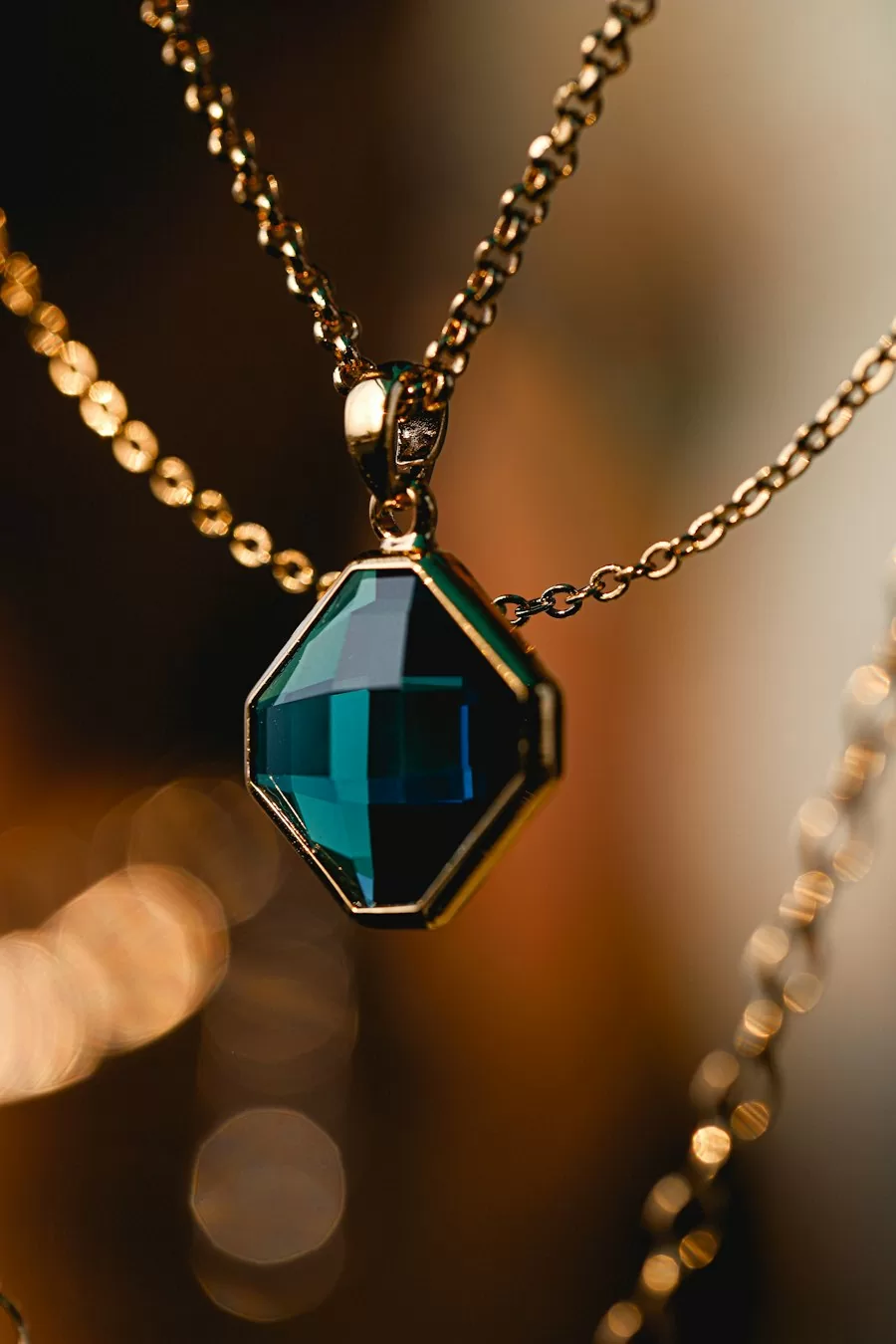
Stones & Gemstones — the notes below follow the order we actually quote, sample and ship these pieces.
Garnet opens the calendar. It is the January birthstone, and its famously deep, almost black-red color is one of the easiest stones to wear, it reads as wine, not costume jewelry, and it pairs with both silver and winter wardrobes. Because garnet is often mistaken for a cheaper-looking stone, a well-cut one in 925 sterling silver is one of the more underrated birthstone pendants you can give.
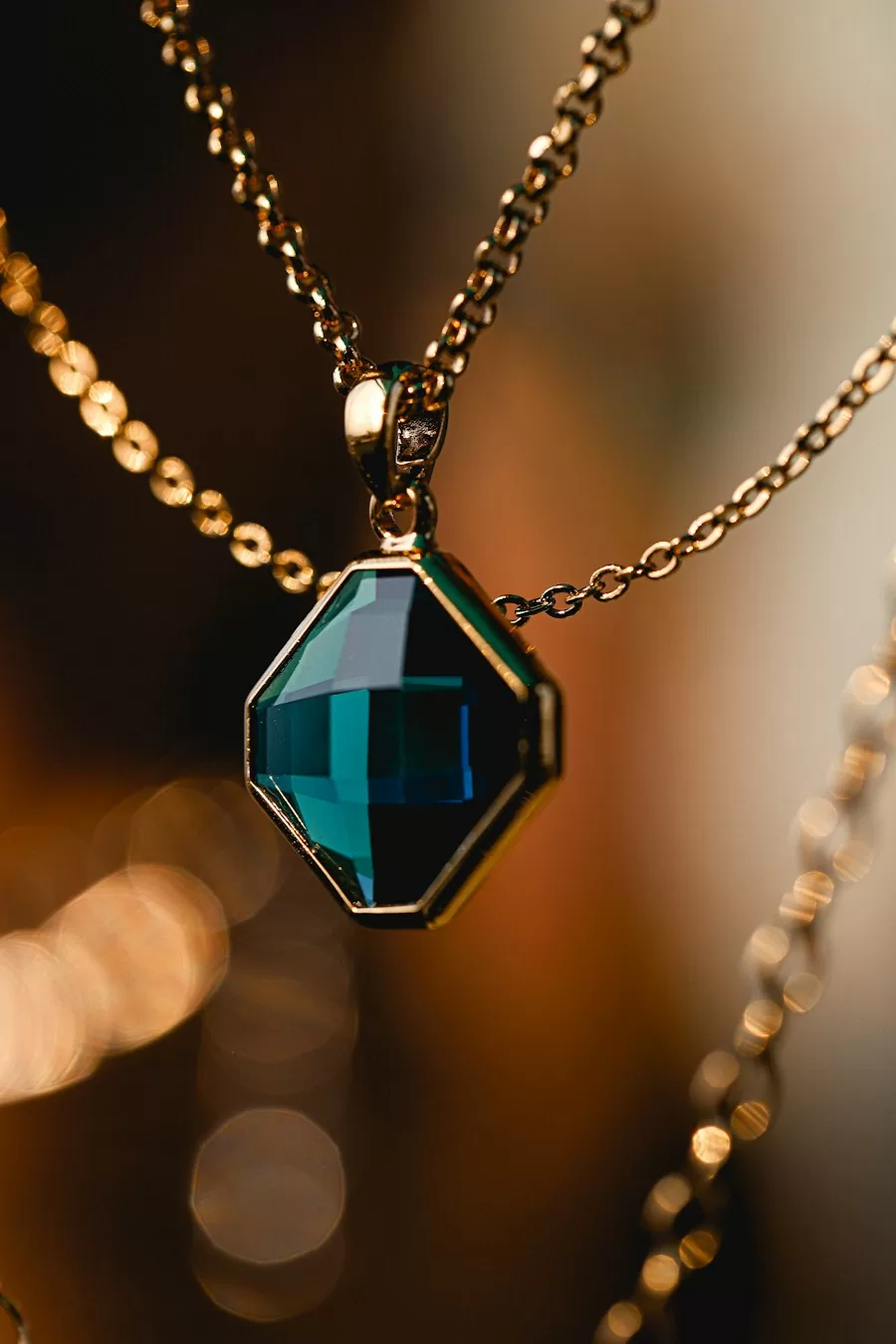
The color is not just red
When jewelers say garnet, they usually mean pyrope or almandine, the red ones. But garnet is a family of minerals that includes green, tsavorite, orange, spessartine, and the famous color-change varieties. For a January birthstone pendant, stick with the red. Look for a stone that reads as a clean, saturated wine rather than a brownish brick. Brown edges signal lower-grade material that will look flat in silver.
How hard is garnet, really?
Garnet sits around 6.5 to 7.5 on the Mohs scale, depending on the variety. That is hard enough for an everyday pendant, because pendants take far less abuse than rings, but soft enough that a bezel setting beats a prong setting for durability. Prongs catch and can loosen; a bezel wraps the stone edge in silver and protects it. If you want the hardness context for choosing a setting, our durable stone comparison lays out the scale in plain terms.
Silver makes the red pop
Garnet set in yellow gold can look like a chocolate-colored stone. Set in cool sterling silver, the same red reads as crimson. This is why a garnet pendant is one of the strongest reasons to choose silver over gold in birthstone jewelry. The contrast does the color work for you.
For a pendant, a 6 to 8mm round or oval stone is the sweet spot. Under 5mm the color looks weak; over 9mm the price climbs fast and the piece becomes a statement rather than an everyday necklace.
Engraving a garnet pendant
Most garnet pendants are a small stone on a plain silver frame or a heart. That leaves the back free for a name, a date, or both. Keep the inscription to a first name plus a year, because the visual center is the stone, so a long engraving competes with it. Our guide to birthstone pendant stone replacement covers what to do if a garnet ever chips, but a bezel-set one rarely needs it.
Who it suits
Anyone born in January, obviously. But garnet also works as an anniversary gift for the second year, because garnet is the traditional second-anniversary stone, and it is a strong choice for people who rarely wear color. The red is dark enough to read as neutral until someone leans in. It is unusually versatile for a birthstone.
If you are building a family piece, garnet slots naturally beside other months. See our birthstone gift-by-month guide for how the colors play together when you set several on one pendant.
Keeping the red deep
Garnet does not fade in light the way some softer colored stones do. What dulls it is skin oil buildup on the table of the stone and tarnish on the silver around it. A soft cloth wipe and occasional warm, soapy water, with no ultrasonic because garnet can have internal fractures, keeps it clean. For the full routine across all birthstone colors, birthstone pendant care and fading has the details.
Garnet versus ruby: how to tell them apart
Because of the color, people often ask whether a red garnet is just a cheap ruby. It is not. Rubies are corundum, a much harder and more expensive stone that fluoresces red under light. Garnet is darker, has a brown or burgundy undertone, and lacks the neon red flash of a fine ruby. For a silver pendant, that is good news. A garnet gives you the red color at a price that makes a daily-wear piece reasonable, without the anxiety of wearing a precious stone every day. If you are comparing red stones, our birthstone guides lay out each month's typical color so you know what to expect.
Choosing the shape
Round garnets are the most common and the least expensive. Oval and pear shapes read slightly larger in a small setting and suit a longer face. A cushion cut, with its soft corners, gives the stone a vintage feel that pairs beautifully with brushed silver. For a bezel setting, round and oval are easiest to seat securely; fancy cuts in thin silver are more prone to edge chipping. If you want a deeper color, choose a stone over 7mm, because smaller garnets read lighter and can look pinkish in bright light.
A garnet silver pendant is the January gift that does not look like a birthday gift. That ambiguity, dark, calm, wearable, is exactly why the stone has stayed at the top of the birthstone list for two centuries.
Authoritative References
For buyers who need to verify the technical and regulatory basis of this guide, the following independent institutions publish authoritative reference data:
- GIA Gem Encyclopedia - independent grading and identification reference for natural and lab-grown gems.
- Wikipedia: Moissanite - peer-reviewed background on moissanite chemistry, optics and history.
Related reading: Birthstone Pendant Meanings: What Each Stone Signals to the Wearer, Birthstone Pendant Wholesale: 12-Stone Collection Buyers, Birthstone Meaning and Selection: All 12 Months Explained.
Frequently Asked Questions
Which chain lengths should I stock first?
16 to 18 inch covers most necklines and gift purchases. Add 20 inch for layering sets and 24 inch for pendant lines.
Are your chains nickel-free and hypoallergenic?
Yes. Sterling silver is 92.5% silver; stainless lines use 316L. Both are nickel-safe for reactive customers when plated correctly.
Can necklaces be personalized?
Laser engraving on pendants and clasps is available from 50 pieces, with 3–5 day turnaround on the engraving step.
What is the bulk lead time?
15–20 days under 500 pieces; 25–30 days for custom pendants or new molds.
Every figure here is quoted from our own bench in Wuzhou.
Send a spec sheet