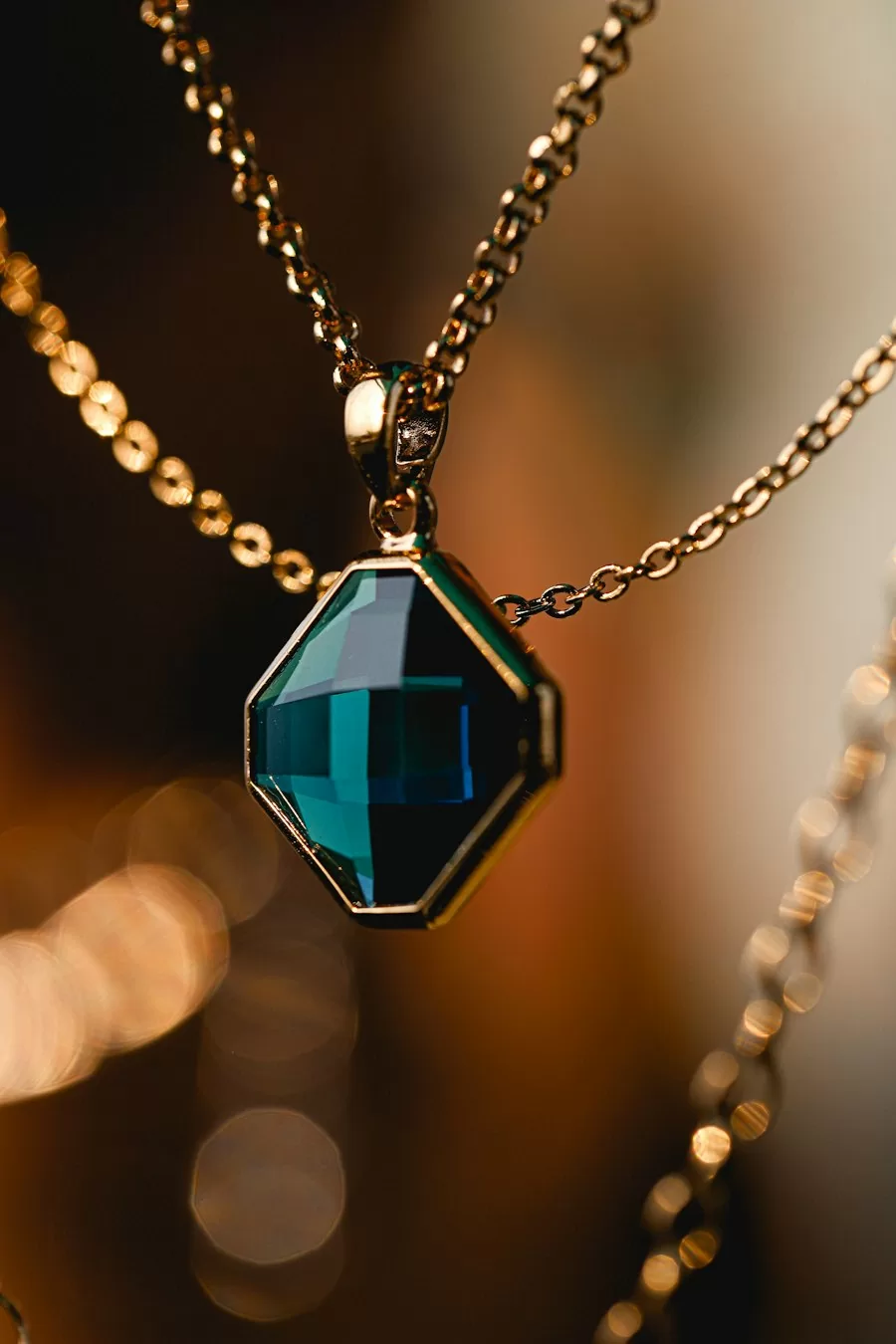
Cubic Zirconia vs Moissanite: Durability Compared
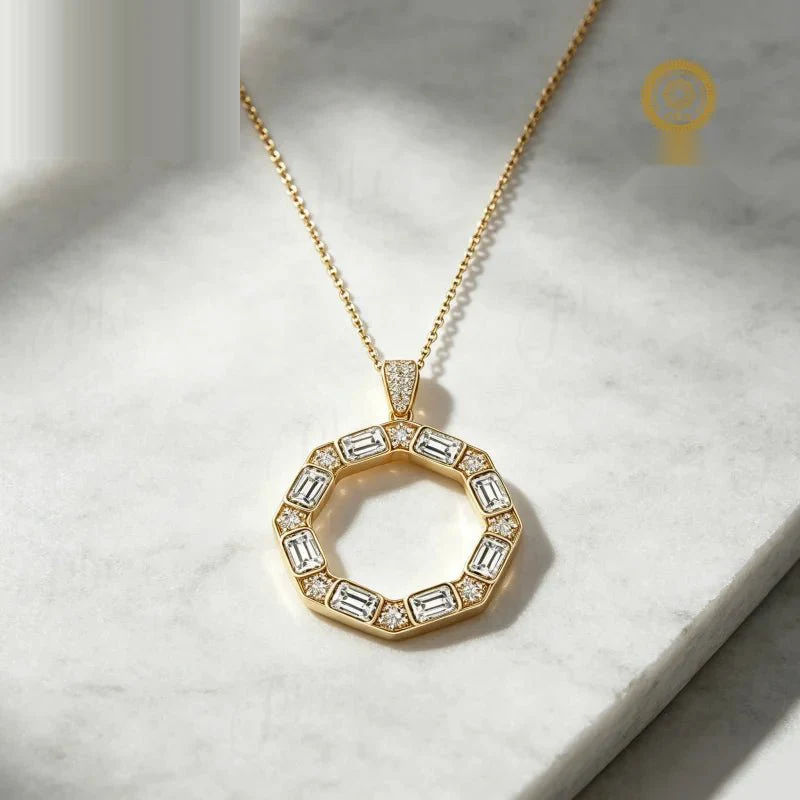
Stones & Gemstones — the notes below follow the order we actually quote, sample and ship these pieces.
When you choose a stone for a silver pendant, the sparkle gets all the attention, but durability is what determines how the pendant looks in a year. Cubic zirconia and moissanite are the two most popular affordable stones, and they look similar at first glance. But they age very differently. One will still look bright after five years of daily wear; the other will cloud and scratch within months. This guide compares the two on durability, so you can choose the stone that will still look good when the novelty wears off.
Hardness on the Mohs Scale
The best predictor of a stone's durability is its hardness on the Mohs scale, where 10 is a diamond. Moissanite ranks 9.25, which is very hard, just below sapphire and ruby. Cubic zirconia ranks 8, which sounds close, but the gap between 8 and 9.25 is significant in real-world wear. A stone at 9.25 resists scratches from almost everything it encounters in daily life. A stone at 8 scratches more easily, because common materials like steel, glass, and even some minerals are harder than CZ.
In practice, this means a moissanite stone stays smooth and polished for years. A CZ stone develops micro-scratches over time, which cloud the surface and reduce the sparkle. After a year of daily wear, a CZ pendant looks noticeably duller, while a moissanite pendant looks almost the same as the day it arrived.
Clouding and Fading
Cubic zirconia has another weakness: it can cloud over time. The material is slightly porous, and it absorbs skin oils, lotion, and soap residues. Over months, this absorption makes the stone look foggy, as if there is a film on the inside. Cleaning helps, but the clouding is partly permanent, because the residue has soaked into the stone. After a year or two, a CZ pendant looks dull no matter how often you polish it.
Moissanite is non-porous. It does not absorb oils or chemicals. A moissanite stone stays clear and bright, and any surface film can be washed off with soap and water. There is no internal clouding, because the material does not absorb anything. This is the single biggest difference in long-term appearance.
Chip and Crack Resistance
Both stones are resistant to chipping, but moissanite is tougher because it is harder. A CZ stone can chip if it takes a direct hit against a hard surface, like dropping the pendant on a tile floor. Moissanite is more flexible in its structure, which means it absorbs impact better. A moissanite stone is less likely to chip or crack under the same conditions.
For a pendant, which sits on the chest rather than the hand, chipping is less of a risk than for a ring. But pendants bump against seatbelts, desk edges, and seat backs. A stone that resists chips handles this routine life better.
Daily Wear Comparison
Imagine two identical silver pendants, one with a CZ stone and one with a moissanite stone, both worn every day for a year. After three months, the CZ pendant starts to look slightly dull, with a faint cloudiness around the edges. After six months, the clouding is noticeable, and the stone does not sparkle as brightly. After a year, the CZ pendant looks worn, and the stone looks foggy. The moissanite pendant, by contrast, still looks bright and clear. The stone has a few faint surface marks from bumps, but the overall look is almost identical to day one.
This is the real-world difference. CZ is beautiful when new, but it ages quickly. Moissanite is built for daily wear, and it holds up over years.
Price vs Longevity
The trade-off is price. A CZ stone costs a few dollars. A moissanite stone adds a moderate amount to the pendant price. But when you factor in longevity, the math changes. A CZ pendant that needs replacing after a year costs more over five years than a moissanite pendant that lasts a decade. If you plan to wear the necklace every day, moissanite is the better long-term value. If the pendant is for occasional wear, CZ is fine.
When CZ Makes Sense
CZ is not a bad choice for every situation. If the pendant is an accent piece, worn on special occasions rather than daily, CZ will last. If the stone is a tiny 3mm birthstone charm, the clouding is barely visible at that size. If budget is the main concern, CZ gives you the look of a clear stone at a low price. A small CZ charm on a name necklace will look good for years if it is treated gently.
When Moissanite Is Worth It
Moissanite is the right choice for a pendant you plan to wear every day. It is worth the extra cost for a centerpiece stone, a larger pendant, or a special gift like an anniversary or milestone birthday. If you want a necklace that will still look bright in ten years, moissanite is the stone. It is also the best choice if you want a diamond-like sparkle without the diamond price.
Caring for Either Stone
Both stones benefit from simple care. Clean them with warm soapy water and a soft brush. Avoid ultrasonic cleaners, which can loosen the stone in its setting. Keep the pendant away from perfume, lotion, and chlorine. Store it separately so the stones do not scratch each other. With that routine, CZ lasts longer and moissanite stays bright for years.
The Bottom Line
CZ and moissanite look similar when new, but they age very differently. CZ clouds and scratches within months of daily wear. Moissanite stays bright and clear for years. Choose CZ for occasional wear, small accent stones, or tight budgets. Choose moissanite for daily wear, larger pendants, and pieces you want to last. The difference in price is small compared to the difference in how the pendant looks after a year.
The Sparkle Difference Over Time
When new, CZ and moissanite both sparkle. But the sparkle fades differently. CZ starts to cloud within months, as oils and soap soak into the porous stone. The facets that catch light become foggy, and the stone looks dull. Moissanite stays clear, because it is non-porous. The facets stay sharp, and the stone continues to sparkle years later.
If you compare a new CZ pendant to a year-old one, the difference is obvious. The year-old stone looks tired. A year-old moissanite still looks fresh. This is the real durability difference: not that the stone breaks, but that it clouds.
Scratch Resistance in Daily Life
Scratches are the other durability factor. Moissanite at 9.25 on the Mohs scale resists scratches from almost everything in daily life. Keys, coins, fabric, and other jewelry do not mark it. CZ at 8 scratches more easily. Over months, micro-scratches build up on the CZ surface, creating a foggy appearance. The scratches are not deep, but they catch the light and reduce the sparkle.
A pendant takes less impact than a ring, but it still bumps against seatbelts, desk edges, and seat backs. A scratch-resistant stone handles this routine life better. Moissanite stays smooth; CZ gets a micro-scratched surface.
Which Stone for Which Necklace
The right stone depends on how you wear the necklace. If the pendant is a centerpiece, worn every day, moissanite is the better choice. It will still look bright in five years. If the stone is a tiny accent, like a 3mm birthstone charm next to a name, CZ is fine, because the small size hides the clouding. If budget is tight, CZ gives you the look without the cost.
For a special gift, like an anniversary or a milestone birthday, moissanite is worth the extra cost. It is a step up that shows you chose something built to last. For an everyday piece on a budget, CZ works, with the understanding that it will dull within a year or two.
Caring for Either Stone
Both stones benefit from gentle care. Clean with warm soapy water and a soft brush. Avoid ultrasonic cleaners, which can loosen the stone in its setting. Keep the pendant away from perfume, lotion, and chlorine. Store it separately so stones do not scratch each other. With that routine, CZ lasts longer, and moissanite stays bright for years.
The stone you choose is less important than how you care for it. But choosing the right stone makes the care easier and the piece longer lasting. Moissanite is the low-maintenance, long-term choice. CZ is the budget, occasional-wear choice.
How the Setting Affects Longevity
Beyond the stone itself, the setting affects how long the pendant looks good. A bezel setting, which wraps a metal rim around the stone, protects the edges and lasts longer. A prong setting, with small metal claws, can catch on clothing and wear down. For a daily-wear pendant, a bezel or closed setting is more durable than prongs.
When you order a pendant, ask how the stone is set. If you want the piece to last, choose a setting that protects the stone. The best stone in a weak setting will still wear out faster than a good stone in a solid setting.
Cleaning Differences
CZ needs gentle cleaning because it is porous. Warm soapy water and a soft brush work. Avoid ultrasonic cleaners, which can crack CZ. Moissanite is hardier and can handle gentle ultrasonic cleaning, but soapy water is always safe. For both stones, avoid chemical dips, toothpaste, and abrasive cloths, which scratch the surface.
Clean the stones regularly to keep them bright. A dull stone is often just a dirty stone, and a quick wash brings back the sparkle. If the stone still looks foggy after cleaning, the clouding is internal, and the stone has aged. At that point, only a replacement helps.
The Cost Per Year Decision
When choosing between CZ and moissanite, think about cost per year. A CZ pendant that lasts two years costs X. A moissanite pendant that lasts ten years costs 2X. Over ten years, the CZ option costs 5X if you replace it five times, while the moissanite costs 2X. Moissanite is the cheaper long-term choice, even though it costs more upfront.
For a piece you wear every day, the math favors moissanite. For an occasional piece, CZ is fine. Choose based on how often you will wear the necklace, and the long-term cost becomes clear.
The Bottom Line on CZ vs Moissanite
CZ and moissanite look similar when new, but they age very differently. CZ clouds and scratches within months of daily wear. Moissanite stays bright and clear for years. Choose CZ for occasional wear, small accent stones, or tight budgets. Choose moissanite for daily wear, larger pendants, and pieces you want to last. The difference in price is small compared to the difference in how the pendant looks after a year. When you invest in a piece you will wear every day, moissanite is the smarter long-term choice. It looks better, lasts longer, and saves you from replacing the pendant in a year.
The Bottom Line on CZ vs Moissanite
CZ and moissanite look similar when new, but they age very differently. CZ clouds and scratches within months of daily wear. Moissanite stays bright and clear for years. Choose CZ for occasional wear, small accent stones, or tight budgets. Choose moissanite for daily wear, larger pendants, and pieces you want to last. The difference in price is small compared to the difference in how the pendant looks after a year. When you invest in a piece you will wear every day, moissanite is the smarter long-term choice. It looks better, lasts longer, and saves you from replacing the pendant in a year. For a personalized name necklace that you will wear daily, the small extra cost of moissanite is worth every penny.
When you weigh the options, remember that the pendant is an investment in how you look every day. A stone that stays bright makes the whole necklace look intentional and cared for. A stone that clouds within months makes the necklace look older than it is. For a piece you will wear daily, the moissanite choice pays off every time you look in the mirror. It is not just about durability on paper; it is about how the necklace makes you feel when you put it on. A bright, clear stone lifts the whole outfit. A cloudy one drags it down.
Related Articles
Authoritative References
For buyers who need to verify the technical and regulatory basis of this guide, the following independent institutions publish authoritative reference data:
- GIA Gem Encyclopedia - independent grading and identification reference for natural and lab-grown gems.
- Wikipedia: Moissanite - peer-reviewed background on moissanite chemistry, optics and history.
Frequently Asked Questions
Is moissanite a good diamond alternative for retail buyers?
Yes for price-sensitive customers who want brilliance and hardness. Moissanite ranks 9.25 on the Mohs scale, holds up to daily wear and costs a fraction of a natural diamond of the same size, so it resells fast in bridal and fashion lines.
What is the minimum order for wholesale moissanite?
MOQ starts at 50 pieces per design for stock items. Custom cuts and private-label settings usually start at 100–300 pieces depending on the mold.
Do you provide certificates with moissanite stones?
Yes. Every parcel ships with GRA or IGI documentation listing carat weight, color grade and cut. We recommend passing the certificate to your end customer for trust.
How long does sample and bulk production take?
Samples ship in 3–5 days. Bulk runs take 15–20 days under 500 pieces, and 25–30 days for custom work.
Related reading: CZ vs Moissanite vs Gemstone: Pendant Materials Compared, Moissanite Ring Stone Setting Types Compared, Moissanite Earring Back Types Compared.
Every figure here is quoted from our own bench in Wuzhou.
Send a spec sheet