Birthstone Meaning and Selection: All 12 Months Explained
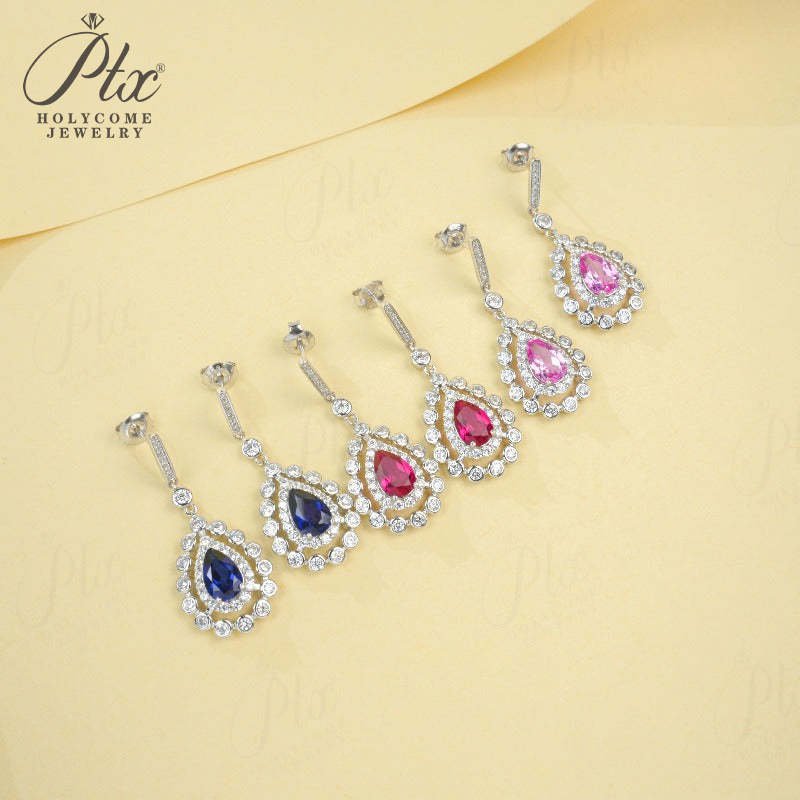
Birthstones are one of the oldest jewellery traditions we still use today, and they are also one of the most personal things you can put on a pendant. When a customer tells us their month, we set the matching stone - but we always get asked what the stones actually mean, and which one to pick if you are buying for someone else. Here is the full list, in plain terms.
The 12 months, one by one
- January - Garnet (deep red). Traditionally a stone of protection and friendship. A good pick for someone born in mid-winter; the deep red reads warm against silver.
- February - Amethyst (purple). The calm stone. Amethyst is one of the most popular birthstones because purple suits almost every skin tone.
- March - Aquamarine (pale blue). A clear, light blue that looks like shallow water. It pairs beautifully with both silver and gold plating.
- April - Diamond (or clear moissanite). The classic. If you want the diamond look without the diamond price, a clear moissanite gives the same flash and looks nearly colourless.
- May - Emerald (green). A rich, deep green. Genuine emeralds are often included and pricey, so we use a green cubic zirconia that reads the same in silver jewelry.
- June - Pearl or alexandrite. Pearl is soft and romantic; on a small pendant we usually use a pale clear or grey stone to keep the dainty look.
- July - Ruby (red). The boldest birthstone. A great choice if you want the pendant to actually show colour, not just a subtle sparkle.
- August - Peridot (light olive green). A softer, yellower green than emerald. It is underrated and looks lovely on women who wear cool tones.
- September - Sapphire (blue). The deep royal blue. Sapphire is the birthstone people recognise instantly, which makes it a safe gift choice.
- October - Opal or tourmaline (pink/green). We usually use a soft pink stone for October - it is feminine and works on delicate pendants.
- November - Citrine (yellow) or topaz. A warm golden stone. It feels like sunlight and pairs nicely with gold plating.
- December - Turquoise or blue topaz. We use a bright blue stone for December. It is cheerful and works year-round, not just in winter.
How to choose when you are buying for someone else
If you know the birth month, use that. It is the most personal choice and the one that means the most to the wearer. If you are unsure of the month, pick by colour: go with what she already wears. Someone who always wears silver and clear jewelry will be happiest with aquamarine, diamond-clear, or blue topaz. Someone who loves warm tones will prefer citrine, garnet or ruby.
Multiple stones: the mother's necklace
The most common multi-stone order is a mother's necklace: mom's name in the centre, one small birthstone per child arranged around it. With up to three children, this fits beautifully on a single pendant. With four or more, the stones start to crowd the name, so we suggest a longer bar instead of a round disc. We will tell you which fits before we start.
Real stone, or the lookalike version?
For a dainty everyday pendant, we use high-quality cubic zirconia that matches each month's colour. Genuine gems vary in clarity and price, and on a small pendant the difference is barely visible. If you specifically want a real stone or a moissanite with a certificate, just ask - we offer that too, and we will quote it separately. For most customers, the colour-matched CZ gives the look they want at a price that makes sense for a personal gift.
A birthstone pendant is one of the few pieces that is genuinely yours by month of birth. It is small, it is quiet, and it is the kind of thing people wear for decades. When in doubt, the birth month beats every other rule.