Birthstone Jewelry by Month: A Stocking and Selection Reference
Stones & Gemstones — the notes below follow the order we actually quote, sample and ship these pieces.
Stocking birthstone jewelry is a calendar problem
A birthstone line is only as good as its calendar alignment. Some months sell year-round as gifts for others; some months spike in their own birth season. This reference pairs the traditional stone with its durability and tells buyers where to put inventory depth.
Durability first
Hardness sets the setting style. Stones above 7 on the Mohs scale - sapphire, ruby, garnet, aquamarine - take prong settings. Stones below 6.5 - pearl, opal, moonstone, turquoise - need closed bezels that protect edges. A pronged opal returns chipped. Spec the setting to the stone, not the other way around.
The months at a glance
- January Garnet - hard, durable, deep red; stocks steady year-round.
- February Amethyst - durable violet; strong before Valentine's and spring.
- March Aquamarine - light blue-green; spring spike, keep the pale tone.
- April Diamond / white topaz - bright white; ties to engagement season.
- May Emerald - soft and included; use lab-grown for consistency, bezel the edges.
- June Pearl / moonstone - delicate; closed bezel, bridal and June bridesmaid volume.
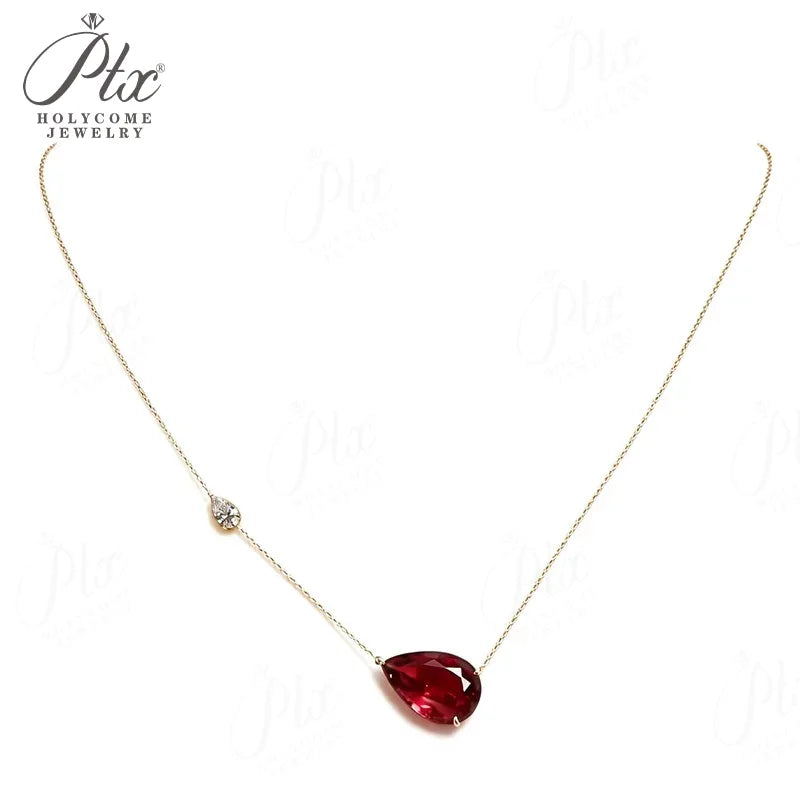
- July Ruby - hard red; strong for July birthdays and anniversary gifting.
- August Peridot - lime green; facet it to avoid an oily look.
- September Sapphire - the autumn workhorse; stock deepest for back-to-school and fall gifting.
- October Opal / tourmaline - opal is fragile; offer tourmaline as the durable alternative.
- November Citrine - warm gold; pairs with autumn family-stone bars.
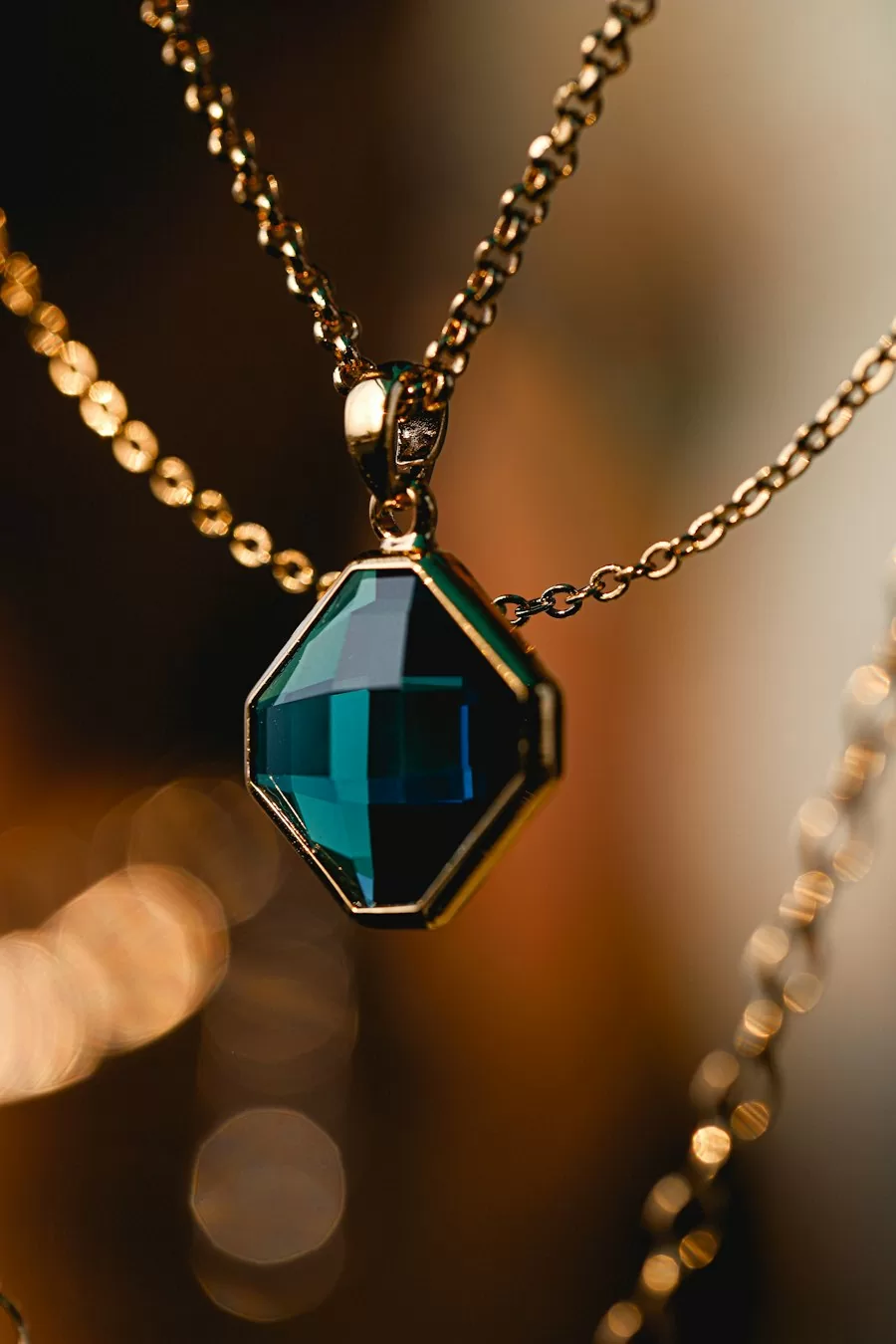
- December Turquoise / blue topaz - offers two looks; stock both for December holidays.
Family birthstone bars as the anchor SKU
The single best-selling birthstone product is not a single stone but a bar set with several: each child's birthstone, ordered by month. These sell year-round as Mother's Day, push-present, and anniversary gifts. Spec small 3 to 4mm bezels so six stones fit on a 30mm bar. Because every combination is unique, run the family bar as made-to-order rather than stocking finished variants.
Setting styles by stone durability
Match the setting to the hardness. Stones above 7 on the Mohs scale take prong settings that show the stone. Stones below 6.5 need closed bezels that cover the edge. A pronged opal chips within months; a bezel keeps it intact. Spec the setting in the order, not as an afterthought.
Reorder calendar by month
March, September, and December deserve the deepest stock because their stones photograph cleanly and suit broad gifting. June and August are seasonal - peak around weddings and late-summer birthdays, lighter otherwise. Family bars carry the line between seasonal spikes. Track which months reorder fastest and shift depth accordingly; the first year of data tells you more than any estimate.
Pricing created versus mined stones
Lab-created ruby, sapphire, emerald, and simulated stones sell in the mid tier with consistent color. Mined stones sit in a premium tier with disclosure. Customers buying a birthstone pendant are usually buying the month, not the provenance, but the tag must state the material honestly. A created sapphire mislabeled as mined erodes trust faster than a lower price.
Care notes per stone
- Opal and pearl: avoid silver dip cleaners; wipe with a soft cloth only.
- Turquoise: porous; avoid perfume, lotion, and prolonged water.
- Amethyst and citrine: fade in prolonged direct sun; store away from windows.
- Sapphire and ruby: durable; polish normally with the silver.
Pairing stones across the year
Customers buying for a family often combine three to six stones. The trick is ordering them by month so the bar reads as a calendar rather than a jumble. September sapphire pairs cleanly with November citrine; March aquamarine sits well with April white topaz. Avoid putting two near-identical greens - August peridot and May emerald - next to each other, because they blur. Spread contrasting tones across the bar.
Tagging and disclosure on the floor
Each pendant should carry a small tag: month, stone name, whether it is created or mined, and a one-line care note. That tag answers the three questions staff repeat - what is this, is it real, how do I clean it - before the customer asks. Honest disclosure also heads off returns from buyers who expected a mined stone and received a lab-created one.
Building repeat customers
Birthstone buying is annual. A customer who buys a single January garnet this year may add a partner's stone next year and a child's stone the year after. Encourage that by keeping stone sizes and bezel styles consistent across months, so a new stone drops into an existing set. A consistent line turns one sale into a family tradition.
Building a monthly display
Retail display matters. A month-by-month pendant wall lets a customer walk to their birthstone. Pair each month with a small card naming the stone, its meaning, and its care note. The card turns a browse into a purchase and answers the questions staff would otherwise repeat. For the full monthly range, see birthstone pendants.
Authoritative References
For buyers who need to verify the technical and regulatory basis of this guide, the following independent institutions publish authoritative reference data:
- GIA Gem Encyclopedia - independent grading and identification reference for natural and lab-grown gems.
- Wikipedia: Moissanite - peer-reviewed background on moissanite chemistry, optics and history.
Frequently Asked Questions
How do I verify a factory before placing a bulk order?
Request a production video, business license, export records and a paid sample run. A factory that accepts a 50-piece test order is usually a real manufacturer.
What payment terms do you offer?
30% T/T deposit with the balance against the bill of lading. This protects both sides on first orders and can move to net terms after a track record.
What is your normal reject rate?
3–5% under 10x loupe inspection for cast and set pieces. Defective units are replaced free in the next shipment.
Where is the factory located?
Wuzhou, Guangxi, China—the core lab-grown and moissanite manufacturing cluster. Shipments go via Guangzhou or Shenzhen ports.
Every figure here is quoted from our own bench in Wuzhou.
Send a spec sheet