Birthstone Pendant for an October Baby: Opal and Tourmaline Buying Guide
Stones & Gemstones — the notes below follow the order we actually quote, sample and ship these pieces.
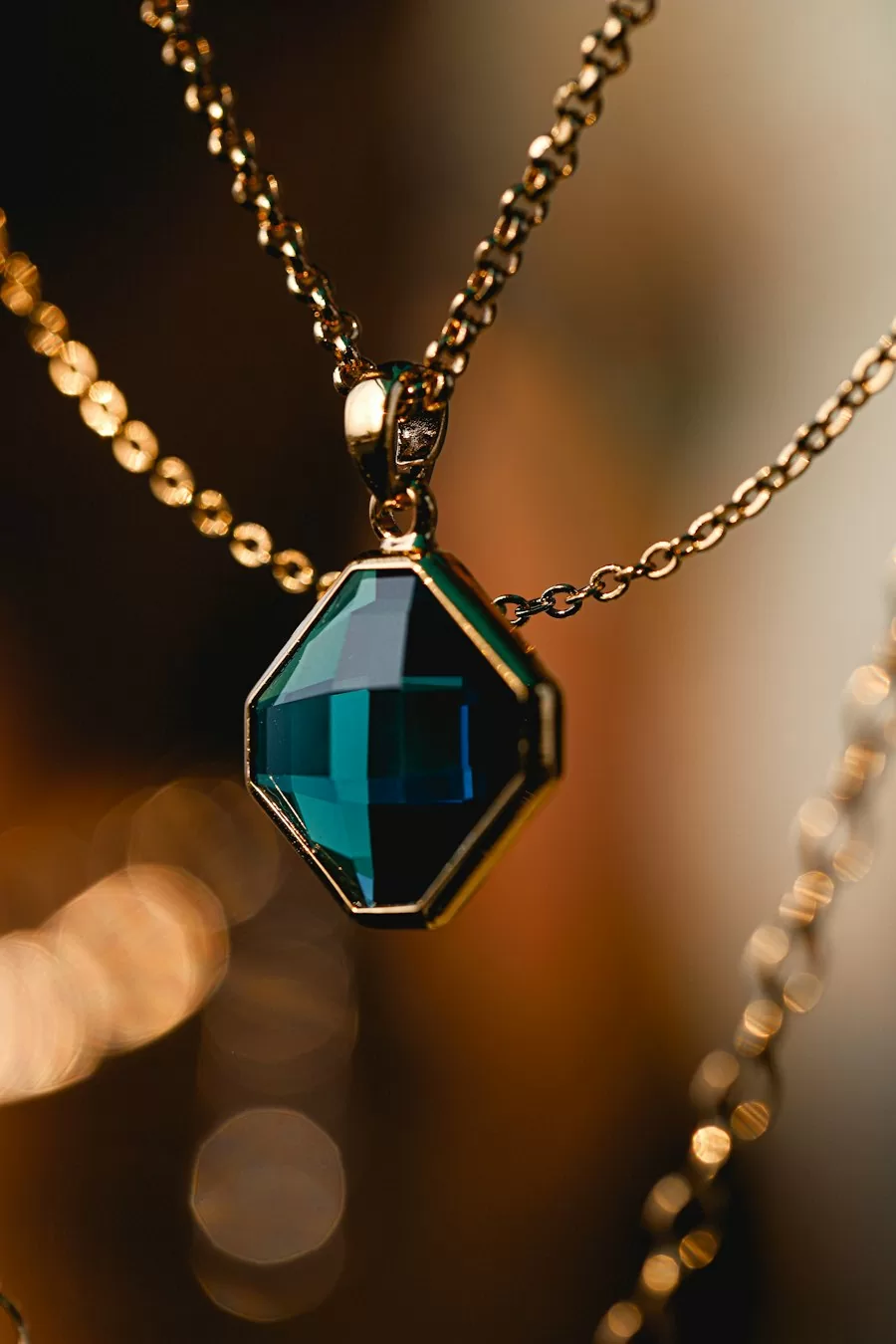
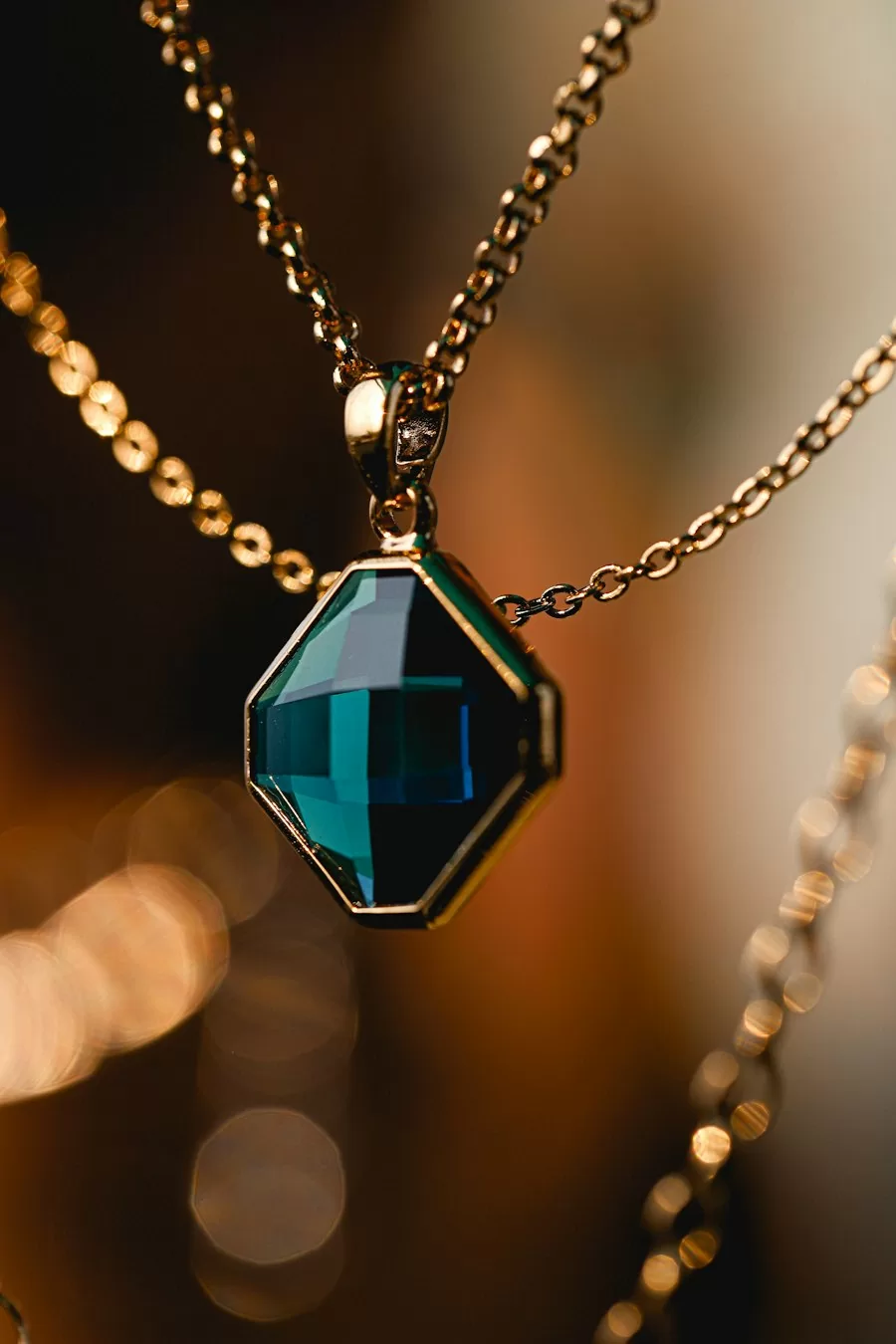
When a customer asks for an October birthstone pendant, they usually do not realize they are choosing between two very different stones. Opal and pink tourmaline both carry the October designation, and a buyer who understands that distinction can stock a pendant that matches the actual recipient rather than guessing. October babies arrive in a gifting window that leans newborn, christening, and new-parent presents, which pushes durability and care instructions to the front of the conversation.
Opal versus tourmaline: which stone fits which buyer
Opal is the romantic, recognizable October birthstone. It flashes play-of-color and reads as precious on a pendant, but it ranks around 5.5 to 6.5 on the Mohs scale, which makes it soft for a piece that a baby or toddler will actually wear or drool on. For a newborn keepsake, opal works if the pendant is intended as a display and later a child's jewelry. For an active older child or a mother who wears the piece daily, pink tourmaline is the more responsible recommendation.
Tourmaline lands at 7 to 7.5 on Mohs, hard enough for everyday wear, and the pink-to-pinkish-red variety photographs beautifully against sterling silver. It also tends to price more predictably than opal, which swings wildly with body color and fire. A smart boutique carries both and steers customers by lifestyle rather than by price tag alone, and staff can explain the durability tradeoff in one sentence to any undecided buyer.
Sourcing opal without getting burned
Opal grading starts with base color. White opal with a soft rainbow flash is the accessible, gift-friendly tier. Black or crystal opal commands a premium most retail shoppers will not pay for an October baby gift. The trap to avoid is doublet and triplet opal marketed as solid; these are laminated composites that delaminate over years of skin contact. If a supplier offers opal at a price that feels too low for solid stone, ask directly whether it is solid, doublet, or triplet, and document (FTC jewelry industry guides) the answer on the spec sheet so the listing is honest.
Set opal in a bezel rather than prongs. Prongs catch on clothing and, on a soft stone, can lever the opal out of its seat. A bezel also protects the thin girdle from knocks. For sterling silver, a fine bezel in polished 925 keeps the look clean and modern, which suits the mother-and-baby gift aesthetic. Avoid heat-setting opal; the stone is porous and can craze under rapid temperature change, so confirm the jeweler sets it cold.
Sourcing pink tourmaline for everyday pendants
Tourmaline is usually cleanest in lighter pinks, while deeper pinks and rubellite tones carry more inclusions. For a small pendant stone under one carat, eye-clean material is available at a reasonable price if you buy calibrated rounds or ovals rather than freeform cuts. Calibrated stones drop setting cost, because the jeweler uses standard bezel or prong tools instead of fabricating a seat for a one-off shape.
Color consistency across a run matters for e-commerce. Tourmaline shifts from bubblegum pink to muted rose depending on lighting, so request photos under both daylight and warm indoor light before approving a bulk run. A stone that looks vivid on a white background can look washed out on a silver neck form. Tourmaline is commonly heated to deepen pink, which is an accepted and stable treatment, but disclose it if asked rather than pretending the color is untreated.
How to position the October pendant as a gift
October gifting clusters around new babies, but the pendant often lands on the mother's neck rather than the child's wrist. Merchandise it that way: a small opal or pink tourmaline pendant on an 18-inch chain reads as a mother's keepsake representing the October baby. Pair it with a second stone for a second child, and you have a birthstone cluster pendant that sells at a much higher ticket than a single stone. Grandparents buying for a new October grandchild respond well to the same cluster logic, since it lets them honor the whole family in one piece.
Care instructions should be printed on the hang tag. Opal needs to avoid dry heat and cosmetics; tourmaline tolerates daily wear but should be removed before swimming. Retailers who hand a customer a printed care card reduce warranty claims considerably, because most opal damage comes from hand lotion and hairspray rather than from the stone itself.
Price the two stones separately and explain the gap rather than hiding it. Customers understand that opal is rarer and softer, so an opal pendant sits at a higher tier than a comparable tourmaline one. Staff who can name the tradeoff in plain language build trust, and trust is what turns a one-time October buyer into a customer who returns for every future birthstone in the family.
Related: browse our curated birthstone pendant collection to compare opal and tourmaline settings.
Buyer checklist
- Stock both opal and tourmaline; steer by the recipient's lifestyle.
- Confirm opal type in writing: solid, doublet, or triplet.
- Bezel-set opal cold; use calibrated tourmaline to control setting cost.
- Photograph stones in daylight and warm light before bulk approval.
- Print care instructions on the hang tag to cut returns.
Frequently Asked Questions
Which chain lengths should I stock first?
16 to 18 inch covers most necklines and gift purchases. Add 20 inch for layering sets and 24 inch for pendant lines.
Are your chains nickel-free and hypoallergenic?
Yes. Sterling silver is 92.5% silver; stainless lines use 316L. Both are nickel-safe for reactive customers when plated correctly.
Can necklaces be personalized?
Laser engraving on pendants and clasps is available from 50 pieces, with 3–5 day turnaround on the engraving step.
What is the bulk lead time?
15–20 days under 500 pieces; 25–30 days for custom pendants or new molds.
Every figure here is quoted from our own bench in Wuzhou.
Send a spec sheet