Buying a Birthstone Pendant for Yourself: Why Self-Gifting Silver Deserves Thought
Stones & Gemstones — the notes below follow the order we actually quote, sample and ship these pieces.
Most birthstone marketing assumes someone else is doing the buying. A mother buys one for her daughter. A partner buys one for an anniversary. A bridesmaid receives one as a thank-you. Lost in that story is the perfectly reasonable case of a person walking into a jeweler and quietly choosing the stone for their own birth month, in sterling silver, for no occasion at all.
If that impulse feels slightly indulgent, it is worth pushing past. A birthstone pendant bought for yourself is not vanity. It is the jewelry equivalent of keeping a small promise.
Pick the stone that actually fits your life
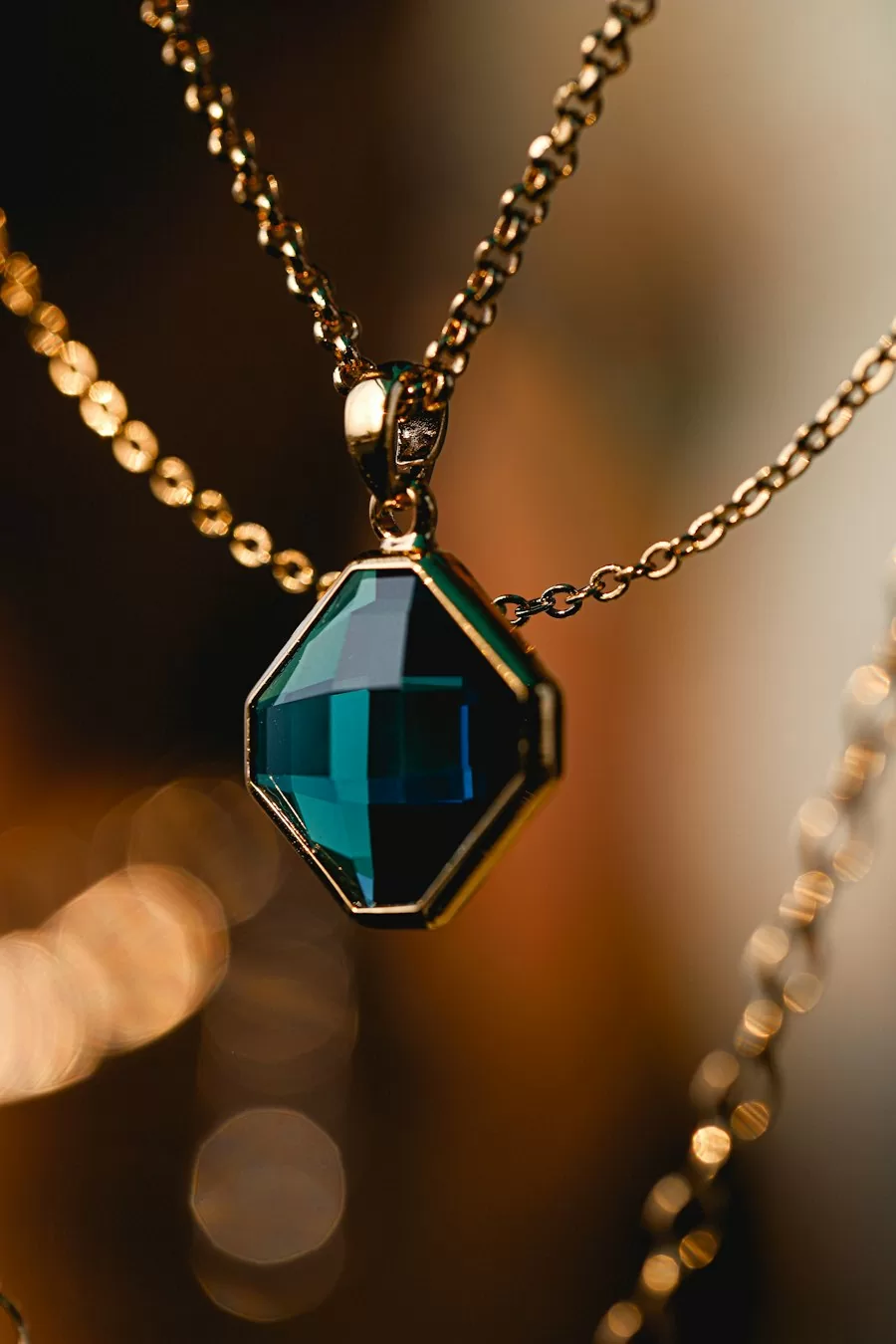
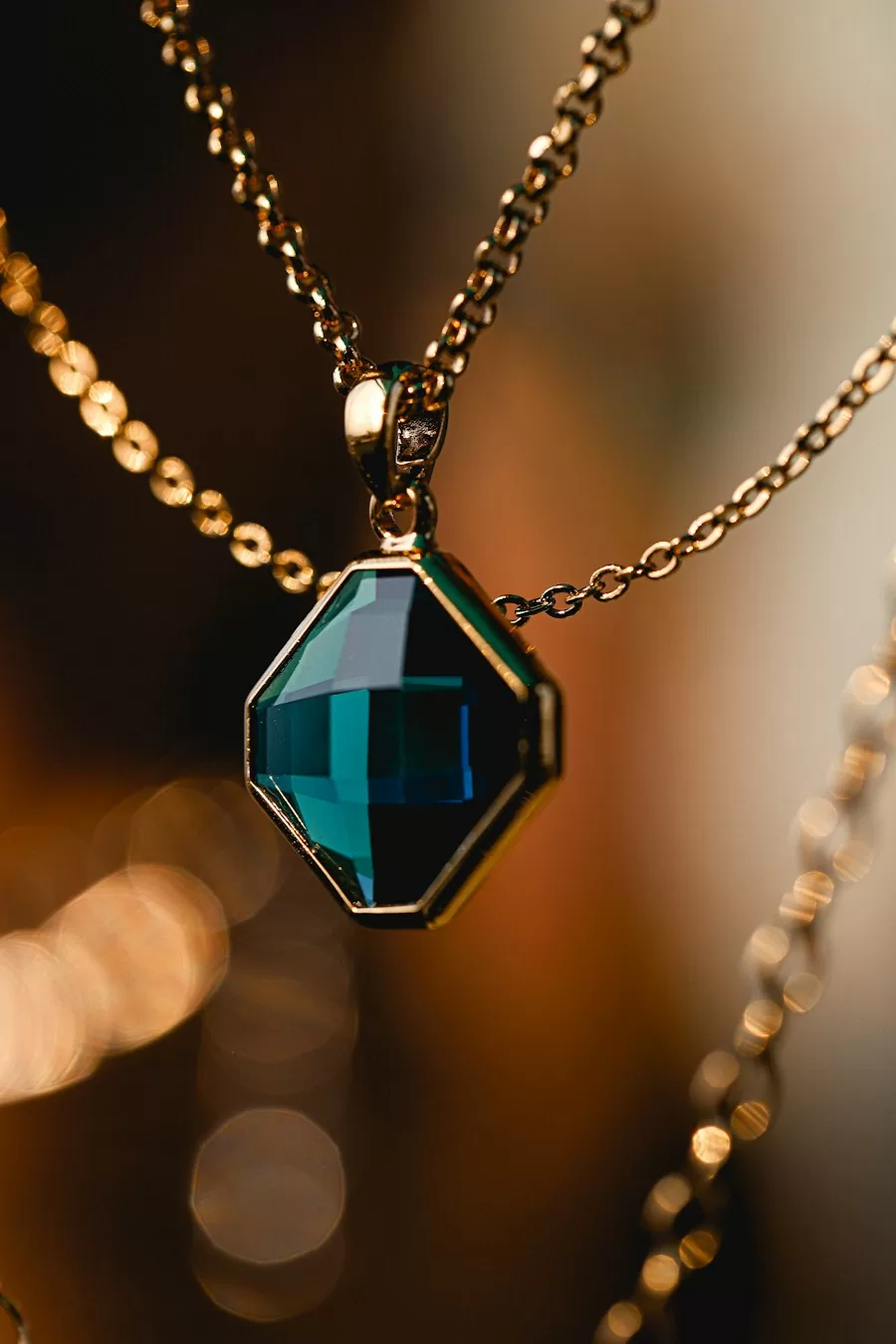
When you buy for someone else, you lean on tradition: January gets garnet, August gets peridot, and so on. When you buy for yourself, you are allowed to be honest. If the traditional September sapphire is out of your budget or too formal for your routine, the modern alternative tanzanite offers a softer purple-blue that pairs beautifully with silver. If your birthstone is a soft pink like rose quartz or morganite, know that these stones rate lower on the Mohs scale and fare better on a pendant that does not get knocked against desks than on a ring that takes daily abuse.
A pendant is one of the gentlest homes for a softer stone, because it sits protected against your chest rather than exposed on your hands. That is part of why a self-purchased birthstone pendant often outlasts a self-purchased birthstone ring.
Setting styles for everyday wear
Three settings dominate the everyday birthstone pendant world, and each signals a slightly different personality:
- Bezel setting: a thin rim of silver wraps around the stone. This is the safest choice for a piece you never take off. The stone is nearly impossible to chip.
- Prong setting: small claws hold the stone and let more light in. It sparkles more, but it can catch on hair and sweaters.
- Open halo: a tiny circle of CZ around a colored center. It reads dressier and is best saved for a piece you reserve for evenings.
For a self-gifted everyday piece, start with a bezel. You can browse the range of approaches in our birthstone pendants collection once you know which setting you want.
Sterling silver vs. gold for a self-buy
925 sterling silver is the natural default for a self-purchased birthstone pendant for two practical reasons. First, it makes the colored stone read brighter than yellow gold does, which is a real effect with amethyst, aquamarine, and peridot. Second, silver is the metal most people already wear daily, so the pendant will actually leave the jewelry box. If you wear gold every day, a silver pendant can still work as a deliberate two-tone moment, which we cover in our notes on silver pendants.
What to engrave on the back
This is where self-gifting gets interesting. You are not locked into a name or a date chosen by someone else. People engrave their own initials, the date of a personal milestone, a short phrase in another language, or nothing at all. A few have engraved the date they bought it, which turns the pendant into a quiet marker of a season rather than a relation.
Chain length you will actually wear
Birthstone pendants are small. A chain that is too long makes the pendant feel lost; a chain that is too short makes it feel like a choker charm. For a stone pendant under eight millimeters, an 18-inch chain is the workhorse length. It falls at the top of the sternum, which is where a single small stone looks most intentional.
A note on stone color and your wardrobe
Self-gifting gives you permission to buy the stone that looks good on you, not the one the calendar says you must wear. Cooler stones like aquamarine, blue topaz, and amethyst read beautifully against olive and fair skin. Warmer stones like citrine, garnet, and peridot glow against deeper skin tones. If you mostly wear black, navy, and gray, almost any colored stone will act as the one bright point in your outfit. If your wardrobe is already loud, choose a softer, less saturated version of your birth month stone so the pendant complements rather than competes. This is the freedom a self-buy buys you: no one's tradition to defer to.
The case for buying it now
Self-gifting also avoids the awkward "you shouldn't have" moment. There is no receiver to deflect, no one to tell you it is too much. You simply pick the stone that caught your eye, in the silver you already wear, and put it on. That directness is rarer than it sounds in jewelry, where almost every purchase is staged for someone else's reaction.
Waiting for a birthday or a holiday to justify the purchase usually means waiting a full year. A self-purchased birthstone pendant is one of the few pieces of jewelry that genuinely rewards acting on the impulse. It is not expensive in the way a fine jewelry piece is, it wears every day, and it quietly becomes the thing you touch when you are thinking. That is the definition of jewelry worth owning.
Authoritative References
For buyers who need to verify the technical and regulatory basis of this guide, the following independent institutions publish authoritative reference data:
- GIA Gem Encyclopedia - independent grading and identification reference for natural and lab-grown gems.
- Wikipedia: Moissanite - peer-reviewed background on moissanite chemistry, optics and history.
Frequently Asked Questions
Which chain lengths should I stock first?
16 to 18 inch covers most necklines and gift purchases. Add 20 inch for layering sets and 24 inch for pendant lines.
Are your chains nickel-free and hypoallergenic?
Yes. Sterling silver is 92.5% silver; stainless lines use 316L. Both are nickel-safe for reactive customers when plated correctly.
Can necklaces be personalized?
Laser engraving on pendants and clasps is available from 50 pieces, with 3–5 day turnaround on the engraving step.
What is the bulk lead time?
15–20 days under 500 pieces; 25–30 days for custom pendants or new molds.
Every figure here is quoted from our own bench in Wuzhou.
Send a spec sheet