Couple Jewelry Wholesale: returns & warranty

Styling & Trends — the notes below follow the order we actually quote, sample and ship these pieces.
Why Returns, Repair, and Warranty Terms Matter When Buying Couple Jewelry Wholesale
Couple Jewelry carries a different risk profile than single-piece orders because matched sets, rings sold in pairs, and personalized engraving all increase the likelihood of sizing issues, stone loss, and repair requests after delivery. Before you place a wholesale order, you should understand exactly how a supplier handles returns, repairs, and warranty claims, because those terms shape your landed cost, your resale policies, and the after-sales service you can offer your own customers.
This article walks through the practical decisions a US wholesale buyer faces on this angle, with concrete detail on documentation, timelines, and quality control that protect you before a claim ever happens.
Returns Versus Repairs: Know the Difference Before You Order
Wholesale buyers often lump returns and repairs together, but suppliers treat them differently, and knowing the distinction helps you plan inventory and cash flow. A return typically involves an item that arrives with a defect, a mismatch between the ordered specification and the shipped product, or a quality issue caught during your own inspection.
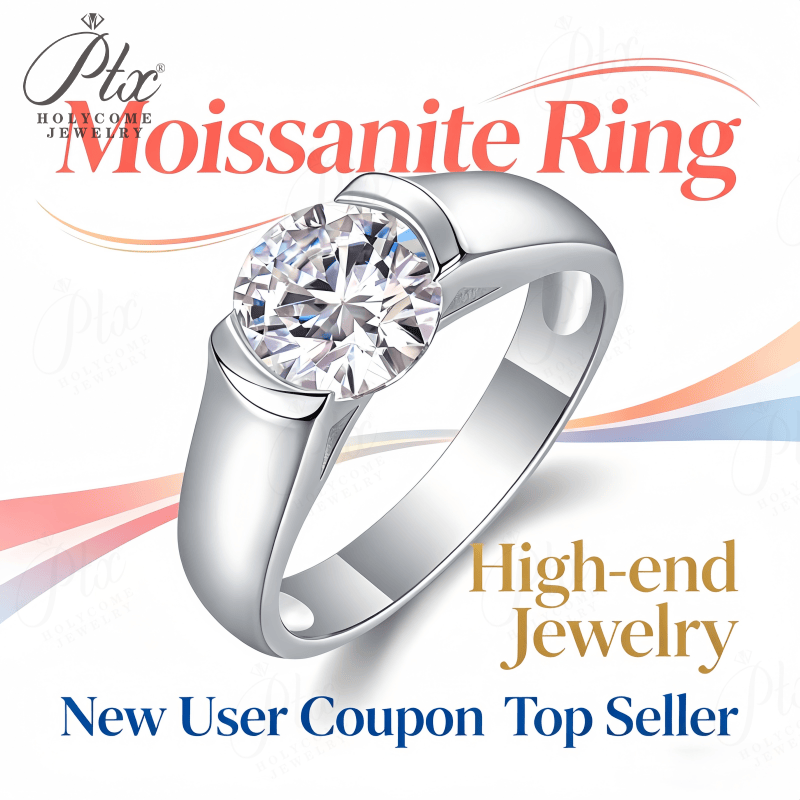
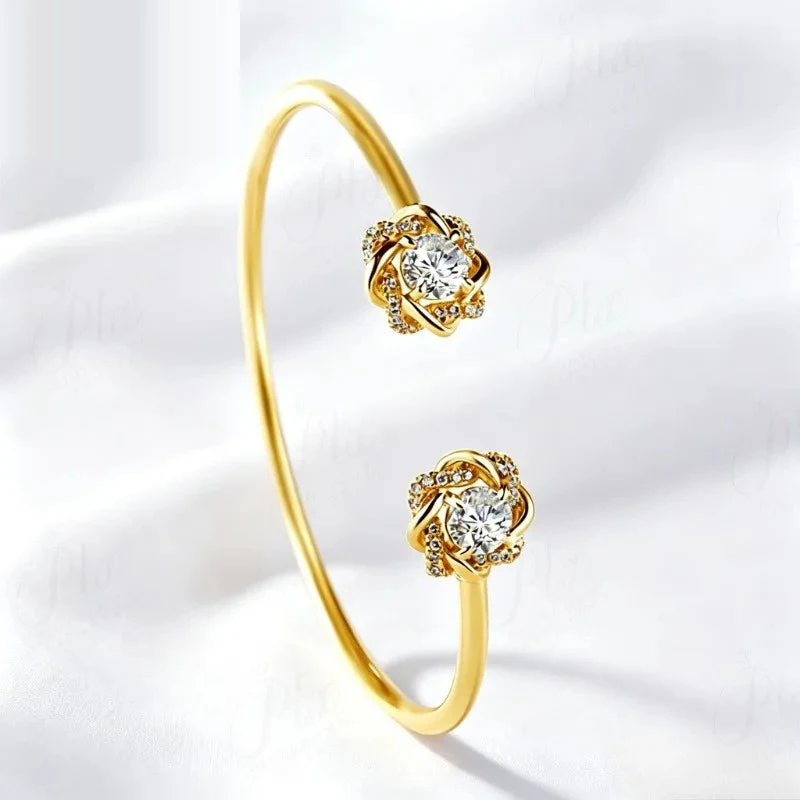
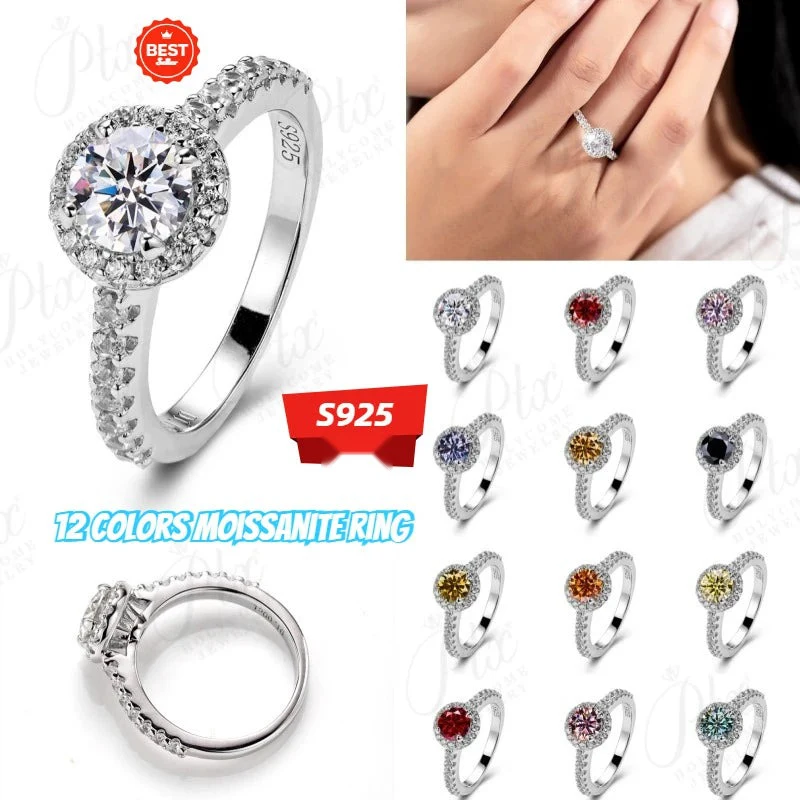
A repair covers items that were correct when shipped but develop problems afterward, such as a loose moissanite stone in a pair of couple rings, a broken clasp on a matching bracelet set, or plating wear on gold plated sterling silver pieces.
Return Eligibility Starts With Specification Matching
The clearest return cases are specification mismatches: you ordered 925 sterling silver with a 1 carat center stone and received a different metal stamp or a lower carat weight. This is why every purchase order should spell out metal type, carat weight, setting style, engraving text, and certification requirements in writing. When your purchase order and the supplier's inspection records align, a claim becomes a simple document review rather than a negotiation.
Suppliers who run a three-stage QC process, covering incoming materials, in-process checks, and a pre-ship AQL inspection, can usually produce the records needed to resolve a return claim quickly.
Repair Requests After Delivery
Repairs are more common on Couple Jewelry than on single items because matched sets are worn daily by two people instead of one. Stone resetting, prong tightening, and plating touch-ups are the most frequent requests. Ask your supplier how they handle repair logistics: who pays shipping, what the turnaround time is, and whether repaired pieces are re-inspected before they ship back to you.
A supplier with in-house production can often complete a repair faster than one that outsources the work, and you should ask this question during supplier vetting rather than after your first repair need.
How Warranty Terms Are Structured for Wholesale Couple Jewelry
Wholesale warranty terms are usually narrower than consumer warranties, so read them carefully before you commit to a program. Most suppliers distinguish between defects present at manufacture, which they will repair or replace, and wear from consumer use, which falls outside the wholesale warranty. Your own end-customer warranty is a separate agreement you create, and you should build it with the supplier's wholesale terms in mind so you never promise service the supplier does not provide.
Documentation: GRA and IGI Papers
For Couple Jewelry featuring larger center stones, graded stone documentation matters in any warranty or return dispute. Stones that come with GRA or IGI papers give both parties an objective reference for carat weight, color, and clarity grade. If a buyer claims the stone in a couple's ring set is not the grade ordered, the grading paper is the fastest way to resolve it.
Confirm whether grading papers are included per stone or per set, and whether replacement stones supplied during a repair will also carry papers.
Metal Disclosure Protects Both Parties
Compliance language and warranty scope overlap more than most buyers realize. Every product description should name the true metal: 925 sterling silver, 10K/14K/18K solid gold, gold vermeil, or gold plated. Gold vermeil and gold plated pieces have different wear characteristics from solid gold, and your warranty terms should reflect that difference. If you describe a vermeil piece as solid gold and a customer later discovers the base metal, you have created a return exposure that no warranty clause will cover.
Accurate metal disclosure reduces disputes and keeps claims limited to genuine defects.
Practical Decisions Every Wholesale Buyer Should Make Upfront
The buyers who see the fewest disputes are the ones who settle returns, repair, and warranty questions before signing the purchase order, not after the first problem arrives. The decisions below deserve a written answer from your supplier, and you should keep the answers on file with each order.
- Request window: how many days after delivery you have to report a defect or specification mismatch, and whether the window differs for stock styles versus custom work.
- Return shipping responsibility: who pays freight on a confirmed defect, and whether defective goods are credited, replaced, or repaired.
- Repair scope: which post-delivery issues are covered, which are billable, and whether billable repairs are quoted before work begins.
- Custom and engraved goods: whether personalized Couple Jewelry can be returned at all, since engraved pieces are often final sale once production is approved.
- Stone replacement: whether a replacement moissanite matches the original GRA or IGI documentation, and who pays for re-grading if a paper is needed.
Each of these points interacts with order type. Stock styles ordered at an MOQ of 1 piece are easy to replace quickly, while custom work at an MOQ of 30 pieces involves tooling and engraving setup that makes wholesale returns more complicated. Loose stones sold by the carat follow yet another path, since a claim usually involves carat weight verification against the invoice rather than a physical return of finished goods.
Comparing After-Sales Terms Across Product Types
Couple Jewelry spans several product constructions, and after-sales exposure varies by type. The table below summarizes how the main categories differ so you can set return and warranty expectations accordingly.
| Product type | Common claim | Key documentation | Resolution path |
|---|---|---|---|
| Sterling silver ring pairs | Sizing, stone loss | Purchase order spec | Resize or reset stone |
| Solid gold sets | Prong or setting wear | Metal stamp, invoice | Repair at bench |
| Gold vermeil pieces | Plating wear | Metal disclosure | Re-plate if covered |
| Graded moissanite sets | Grade dispute | GRA or IGI paper | Verify against paper |
| Engraved custom sets | Engraving error | Approved proof | Replace if error confirmed |
Note that engraved custom sets behave differently from everything else: the approved proof is the controlling document. If the shipped engraving matches the proof the buyer signed off on, an error claim is difficult to sustain, so build proof approval into your workflow and treat it as the point of no return for custom Couple Jewelry orders.
Timelines That Shape Your Restocking and Service Plans
After-sales terms only work if you understand the production and shipping timelines behind them, because replacement stock and repairs move on the same clock as new orders. Sampling takes 7 to 10 days, and bulk production runs 15 to 25 days after approval, so a replacement for a defective matched set is not a next-day event; it follows the same production schedule.
For delivery, DDP shipping to the US takes 5 to 8 days, which means a repaired or replaced piece can reach you in roughly three to five weeks depending on whether production time applies.
Plan your customer-facing promises around these numbers. If you promise an end customer a replacement within two weeks but your supplier needs 15 to 25 days of production plus 5 to 8 days of DDP transit, you have created a promise you cannot keep. A safer structure is to hold a small buffer of fast-moving couple ring sizes and offer repair rather than replacement for slower-moving configurations.
Pricing is quoted per piece or per carat depending on the item, so a replacement order is priced the same way as the original, which helps you calculate the true cost of a warranty claim in advance.
Payment Terms and Claim Resolution
Payment structure affects how smoothly claims are settled. Standard terms are T/T with a 30 percent deposit and 70 percent balance before shipment, while PayPal is available for sample orders. Because the balance is paid before shipment, your protection against defects rests on the pre-ship AQL inspection and on documentation retained from production. Keep your inspection photos, the approved proofs, and the grading papers organized per order so that any claim can be resolved from records rather than arguments.
Building a Service Program Your Retail Customers Can Trust
Once you know your supplier's terms, you can design an end-customer program that fits inside them. Offer a repair service for stone resetting and plating touch-ups, price it transparently, and state realistic turnaround times based on the supplier's production schedule. Avoid absolute service promises in your marketing, and instead describe what you will do in specific situations.
A program with clear, achievable commitments earns more repeat wholesale accounts than one built on language it cannot support, and it keeps your return rate low because customers know exactly what to expect.
Order Terms for Wholesale Buyers
MOQ is 1 piece for stock styles and 30 pieces for custom work, and loose stones are sold by the carat. Sampling takes 7 to 10 days, and bulk production runs 15 to 25 days after the sample is approved. Pricing is quoted per piece or per carat depending on the item. Payment is T/T with a 30% deposit and the 70% balance before shipment, and PayPal is accepted for sample orders.
Frequently Asked Questions
Can I return custom engraved Couple Jewelry if my customer changed their mind?
Custom work carries an MOQ of 30 pieces and typically cannot be returned once production is approved, because engraving and tooling are specific to your order. The approved proof is the controlling document, so review it carefully before sign-off. Stock styles with an MOQ of 1 piece are far easier to exchange or replace.
Do replacement stones come with new GRA or IGI papers?
Ask this question before you order, because practices vary by supplier and by stone size. For sets with larger center stones, request that any replacement stone supplied during a repair carries matching GRA or IGI documentation. This keeps your product records consistent across the life of the program.
Who pays for repairs after delivery?
Manufacturing defects discovered after delivery are usually repaired or replaced at the supplier's cost, while wear from consumer use is typically billable. Get the scope in writing, including who covers shipping in each direction. Billable repairs should be quoted before work begins so you can decide whether repair or replacement makes more sense.
How long does a replacement order take?
Sampling takes 7 to 10 days and bulk production runs 15 to 25 days after approval, followed by 5 to 8 days of DDP delivery to the US. A straightforward replacement of a stock style can be faster than a full production run. Build these timelines into any service promises you make to your own customers.
What should I keep on file in case a dispute arises?
Keep the signed purchase order with full specifications, the approved proof for engraved pieces, pre-ship inspection records, GRA or IGI papers, and your own receiving inspection photos. This paper trail lets a supplier verify a claim against production records quickly. Orders covered by a three-stage QC process, from incoming materials through in-process checks to the pre-ship AQL inspection, generate most of this documentation automatically.
Where to Go Next
Returns, repairs, and warranty terms are not fine print; they are part of the total cost and total value of any Couple Jewelry program. The buyers who handle after-sales well are the ones who document everything, align their customer promises with supplier timelines, and work with partners whose QC and communication make claims rare and easy to resolve.
If you want to dig deeper into buying practices and product knowledge, our jewelry knowledge base covers materials, grading, and care in detail. To review the production standards and inspection process behind every order, see about our factory. And when you are ready to build a custom matched-set program with approved proofs and clear after-sales terms, start through our custom jewelry service page.
Moissanite is a lab-created diamond alternative, not a natural diamond; listings and customer-facing copy should describe it that way.
Sources: Grading references: GIA gem education and GIA laboratory information.
Every figure here is quoted from our own bench in Wuzhou.
Send a spec sheet