Do Birthstones Fade? Caring for Colored Stones on Silver

Stones & Gemstones — the notes below follow the order we actually quote, sample and ship these pieces.
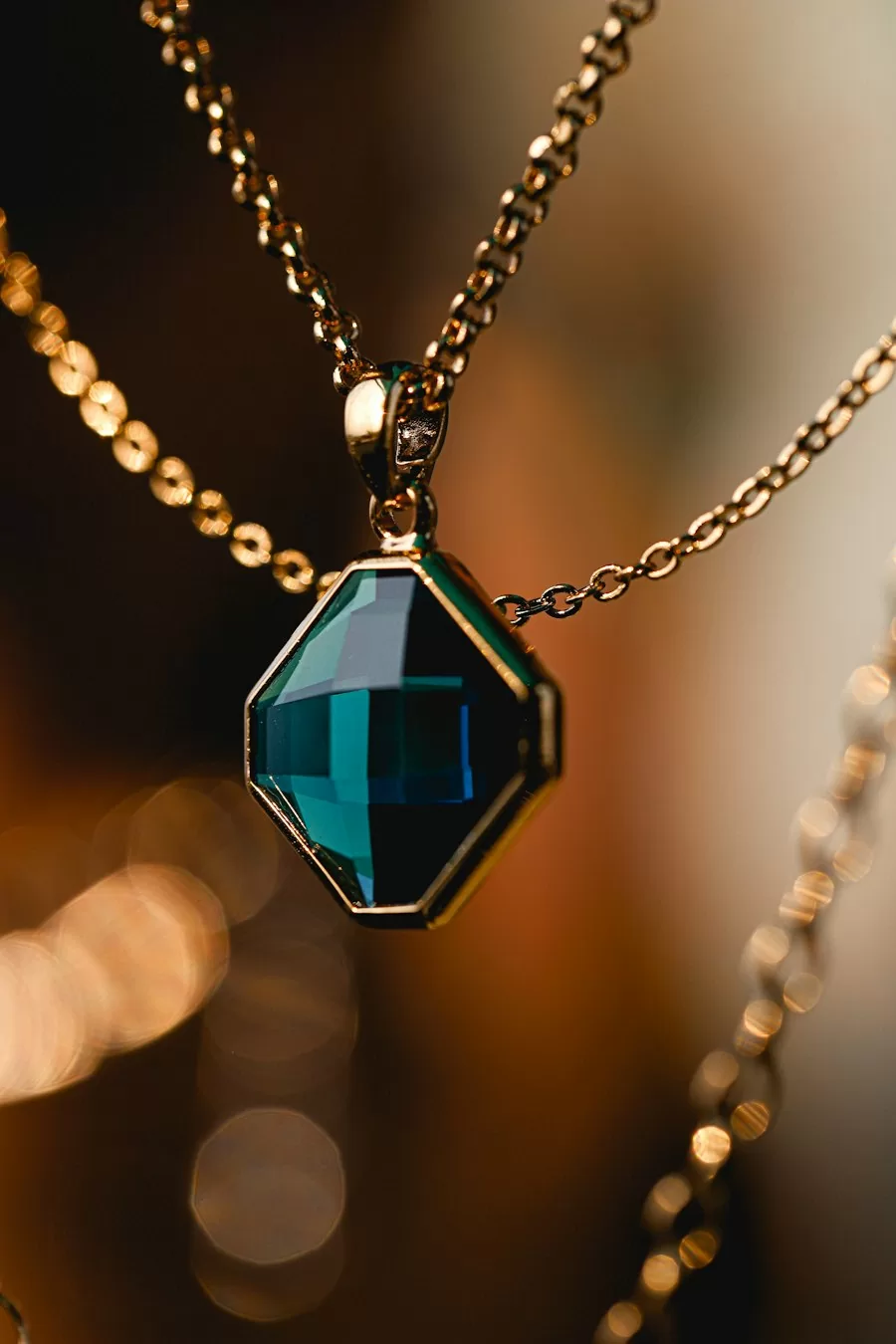
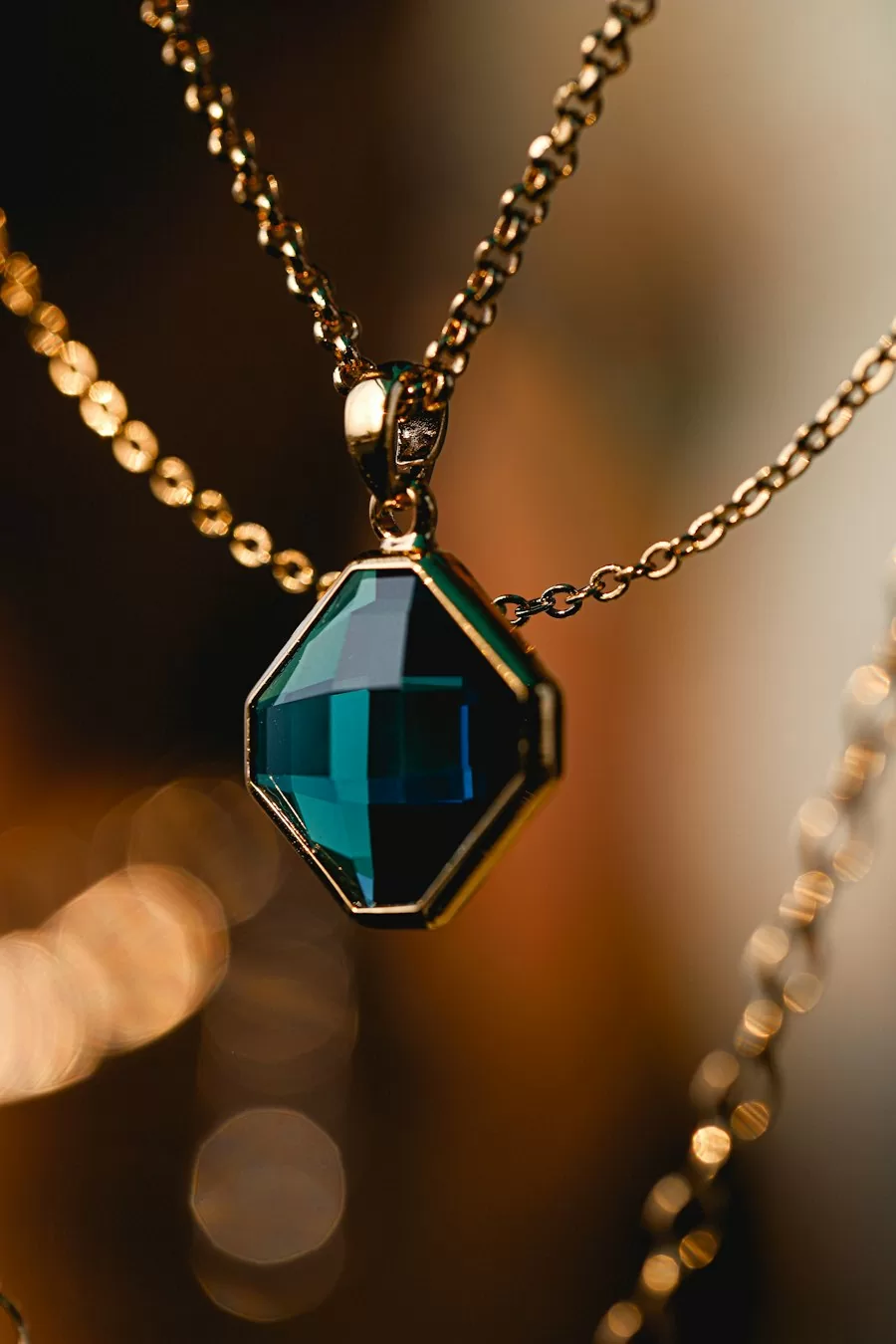
Most of our birthstone pendant care questions start with the silver. "Why is my chain turning gray?" That is the easy problem, and a polishing cloth solves it. The harder problem is the one customers don't ask about: the colored stone itself, quietly changing over months of wear.
Sterling silver care and gemstone care are two different jobs, and treating the pendant like it is "just silver" is how nice stones end up dull, faded, or cracked.
The silver part is simple
Silver tarnishes from sulfur in the air. A soft polishing cloth, a dry box, and it comes back. Tarnish never damages the silver itself—it is a surface film that rubs off. So if your only problem is a darkened chain, you already know what to do, and you don't need to read any further. The stone is where the real risk lives.
The stone part is where people slip up
Colored birthstones are not silver. They are minerals with their own vulnerabilities, and the routines that keep silver bright can actually harm them. Four mistakes account for most of the damage:
- Sunlight fades some stones. Amethyst, rose quartz, citrine and smoky quartz can lighten over months in strong sun. It is slow—you won't see it in a week—but a pendant worn daily through summer will be noticeably paler by fall.
- Perfume and hairspray cloud soft stones. Pearls, turquoise and opal are porous. Spray them daily and they go chalky; wash them under the tap and they can crack.
- Chlorine and hot tubs are rough on everything. Not just the silver—chlorine can pit certain colored stones and loosen the prongs holding them.
- Ultrasonic cleaners crack stones. The vibrating bath is great for plain silver. It is a known way to split stones with internal feathers, including aquamarine and tanzanite. Skip the bath for anything colored.
Month by month, the rough idea
You don't need a gemology degree to care for your pendant. A rough split works for everyday wear:
- Tougher stones, 7 and above: garnet, amethyst, aquamarine, topaz, citrine. Fine for daily wear. Wipe after sweat, keep out of direct sun for long stretches, skip the ultrasonic.
- Medium stones, 5 to 7: turquoise, tanzanite, peridot. Wearable, but keep away from chemicals and rough knocks.
- Soft stones, under 4: pearl, moonstone, opal. Treat like fabric. Last on in the morning, first off at night, away from perfume, away from water.
- Everything else: default to the careful routine until you know otherwise.
The right way to clean a mixed pendant
Use a barely damp, soft cloth on the silver, then a dry corner on the stone. Never soak the piece. Never use toothpaste—the abrasive that polishes cheap silver will scratch a soft birthstone. For the silver areas, a polishing cloth held carefully around the bezel is enough. The goal is to clean the metal without rubbing moisture or soap against the stone seat, which is where clouding usually starts.
When to stop DIY-ing
If a stone goes cloudy from the inside rather than the surface, or a prong looks bent, stop cleaning it yourself. Internal clouding is usually a stone problem, not a dirt problem, and a home polish will only make it worse. A jeweler can inspect the setting and tell you whether it is the silver, the stone, or the seat underneath that needs attention. Most of these are quick fixes if caught early; they become expensive fixes if ground over with a cloth for six months.
What to do with the silver around the stone
The bezel or prongs holding a birthstone pick up the same tarnish as the rest of the chain, and that tarnish can creep under the stone seat over time. When you polish the silver, concentrate on the flat surfaces and avoid rubbing the polishing cloth directly against the stone's edge. Pressure there can loosen a bezel or push moisture under a soft stone. A light pass around the setting, not at it, keeps the silver bright without risking the stone.
Over years, a stone can also develop a cloudy film along the back where skin oils have built up. That is normal and usually safe to address with a jeweler's soft brush and warm, soapy water on the metal only. If the cloud does not lift, the issue is inside the stone, and that is a professional conversation rather than a home one. The goal is a thirty-second nightly routine, not a weekly deep clean.
The silver on your pendant will outlast all of us. The stone—the part that actually means something, the part tied to a month and a person—is the part worth ten extra seconds of care each night. And resist the urge to do more: a pendant worn every day does not need weekly professional cleaning. Over-cleaning is a real way to wear out a setting faster than tarnish ever would. Take it off, wipe it, lay it flat. That is the whole routine, and it is enough.
Authoritative References
For buyers who need to verify the technical and regulatory basis of this guide, the following independent institutions publish authoritative reference data:
- GIA Gem Encyclopedia - independent grading and identification reference for natural and lab-grown gems.
- Wikipedia: Moissanite - peer-reviewed background on moissanite chemistry, optics and history.
Frequently Asked Questions
What ring sizes can you supply in bulk?
US sizes 5–12 including half sizes. Send a size breakdown with your order and we cast to that curve; comfort-fit inner bands reduce resize requests.
Can I order a mixed size run instead of one size?
Yes. Mixed runs are standard for wholesale: specify quantity per size and we pack and label by size at no extra labor cost.
What is the MOQ for custom ring designs?
50 pieces per design for existing molds; 100–300 pieces when a new mold or CAD model is required.
How should I price rings for retail margin?
Most partners use a 3–4x markup on FOB cost for sterling and 2.5–3x for moissanite solos, which keeps landed cost under 30% of retail.
Every figure here is quoted from our own bench in Wuzhou.
Send a spec sheet