Wearing a Birthstone Pendant Every Day: Practical Tips
Stones & Gemstones — the notes below follow the order we actually quote, sample and ship these pieces.
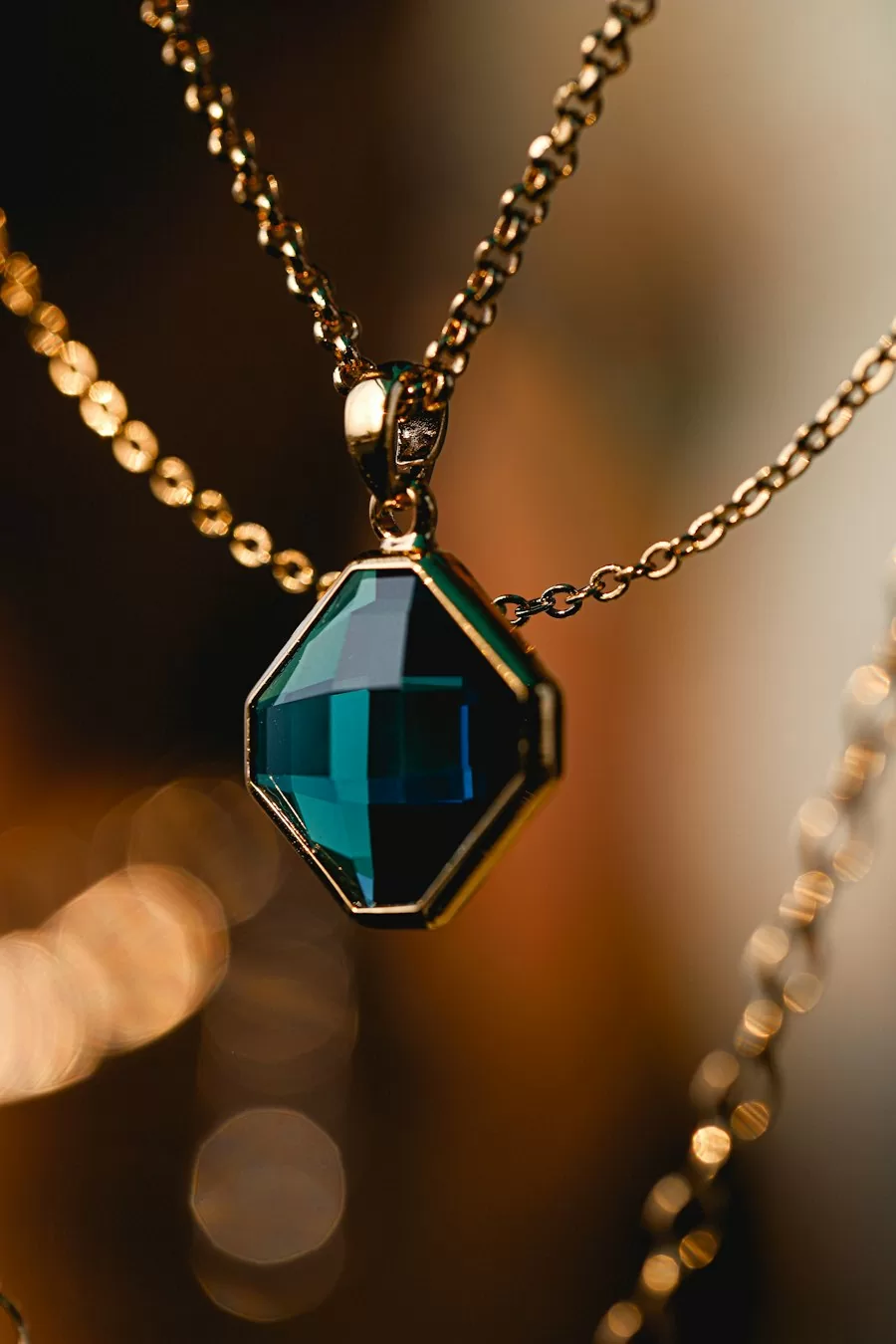
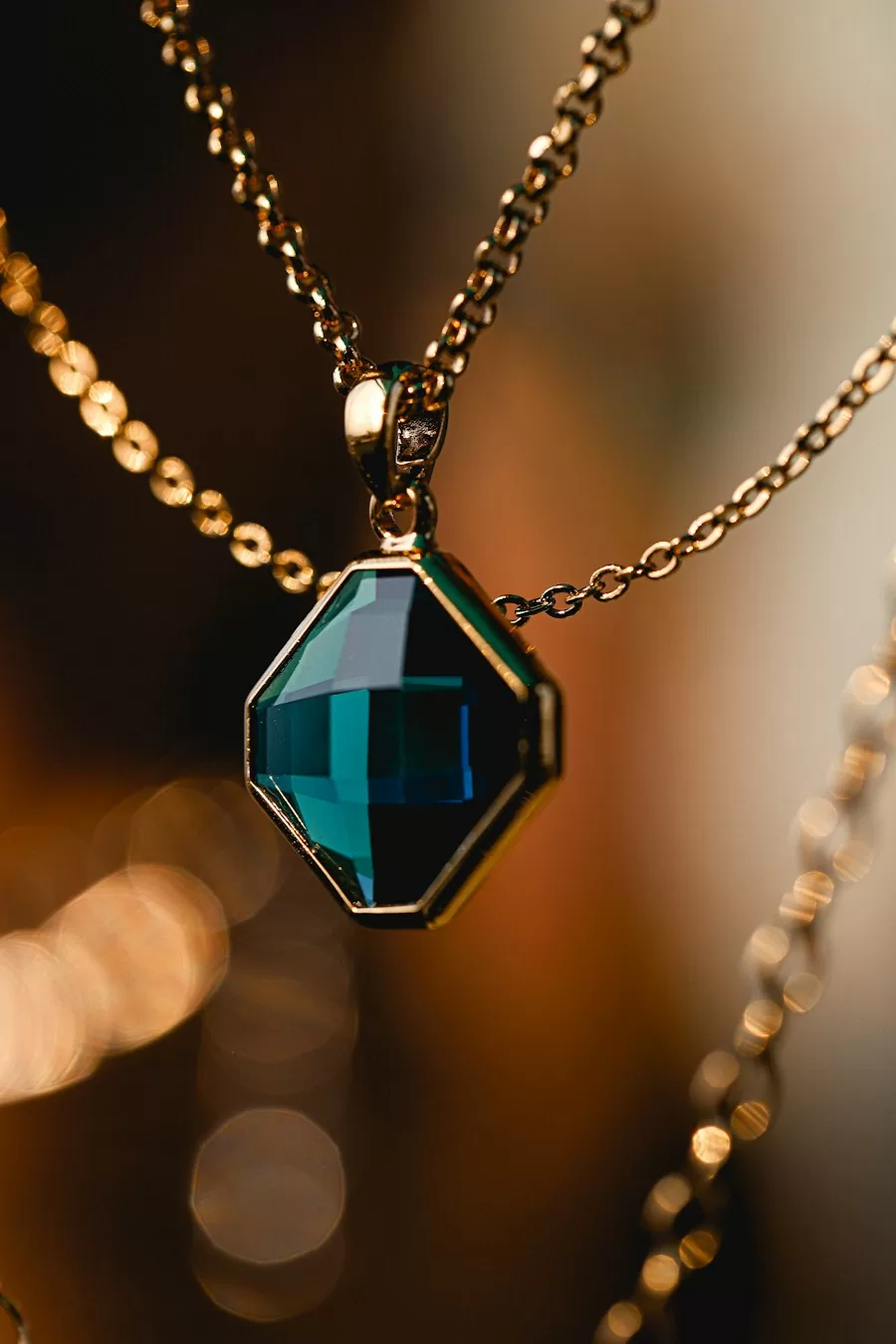
A birthstone pendant is often bought as a gift for special occasions, then quietly becomes the necklace someone reaches for every morning. That transition is lovely, but only if the stone and setting were chosen with daily wear in mind. Some birthstones tolerate a laptop, a gym bag, and a rainy commute. Others do not. A few practical decisions separate a pendant that lasts years from one that scratches, clouds, or loosens its stone within months.
Know your stone's hardness
The Mohs hardness scale tells you how likely a stone is to scratch. For daily wear, aim for stones at 7 or above. Diamond, sapphire, ruby, and spinel sit comfortably in that range. Amethyst, aquamarine, and topaz land around 7 and handle most routines fine with basic care.
Softer birthstones like opal, pearl, turquoise, and moonstone (Mohs 5 to 6) are beautiful, but they chip, cloud, or scratch more easily. If you love one of these, choose a protective bezel setting rather than prongs, and treat the piece as a "good" necklace rather than a never-take-it-off piece.
Setting style matters more than you think
A prong setting shows off a stone but leaves the edges exposed. A bezel setting wraps the stone in a thin band of metal, which shields it from knocks. For daily wear, bezel or half-bezel settings are the safer choice, especially for softer stones. A halo of small accent stones also adds surface area that can catch and chip.
When you inspect a pendant, run your finger around the stone. You should not feel sharp prong tips. If you do, the setting is more likely to catch on sweaters and scarves, which is the fastest way to loosen a stone.
Sterling silver vs. the stone
925 sterling silver is a flexible setting metal. It holds prongs firmly but can be gently reshaped over time, which actually helps prongs stay closed against the stone. It is also affordable enough that a jeweler can re-tip prongs or replace a worn bezel without breaking the bank.
One caveat: silver tarnishes, and tarnish can build up in a closed-back setting, especially with porous stones like turquoise or opal. A slightly open setting lets air circulate and keeps the stone's color stable.
Chain choices for daily pendants
The chain takes most of the punishment. A thin snake chain tangles and kinks. A sturdy cable or rolo chain around 1 to 1.2 millimeters wide handles daily life better. If the pendant is on the heavier side, a slightly thicker chain keeps it from flipping upside down.
Check the clasp. A lobster clasp is more secure than a spring ring, and a daily-wear pendant deserves the more secure option. You do not want to discover the necklace came off somewhere between the house and the car.
Daily care that takes two minutes
- Wipe the stone and silver with a soft cloth after wearing, especially if perfume or lotion touched it.
- Remove the pendant before swimming, showering, or heavy cleaning.
- Store it flat in a soft pouch, not tossed in a jewelry drawer where it scratches against other pieces.
- Have a jeweler check the prongs once a year if you wear it constantly.
If you are choosing a daily birthstone piece for yourself or a gift, our birthstone pendants range spans bezel and prong settings across all twelve months. Pair it with a silver pendant in a complementary shape if you want to layer two metals' worth of personal meaning without crowding the neckline.
The pendant you actually wear
The best birthstone pendant is the one you forget you are wearing until someone compliments it. That only happens when the setting is secure, the stone is hard enough for your routine, and the chain is sturdy. Choose for your real life, not for a hypothetical special occasion, and the piece will earn its place at your collarbone.
What to do when the stone loosens
Even a well-set stone can loosen after months of daily wear, usually from catching on clothing or from the chain swinging against a desk. You will notice it before it falls out: the stone tilts, you hear a faint rattle, or you can wiggle it gently with a fingernail. When that happens, stop wearing it and take it to a jeweler to have the prongs pressed back. A five-minute repair beats a lost stone.
For a softer stone that has clouded, professional ultrasonic cleaning is not always the answer; some stones crack under the vibrations. A gentle wipe with a soft cloth and mild soapy water is the safer default. When in doubt, ask a jeweler what your specific stone can tolerate before dipping it in anything.
Authoritative References
For buyers who need to verify the technical and regulatory basis of this guide, the following independent institutions publish authoritative reference data:
- GIA Gem Encyclopedia - independent grading and identification reference for natural and lab-grown gems.
- Wikipedia: Moissanite - peer-reviewed background on moissanite chemistry, optics and history.
Frequently Asked Questions
What ring sizes can you supply in bulk?
US sizes 5–12 including half sizes. Send a size breakdown with your order and we cast to that curve; comfort-fit inner bands reduce resize requests.
Can I order a mixed size run instead of one size?
Yes. Mixed runs are standard for wholesale: specify quantity per size and we pack and label by size at no extra labor cost.
What is the MOQ for custom ring designs?
50 pieces per design for existing molds; 100–300 pieces when a new mold or CAD model is required.
How should I price rings for retail margin?
Most partners use a 3–4x markup on FOB cost for sterling and 2.5–3x for moissanite solos, which keeps landed cost under 30% of retail.
Every figure here is quoted from our own bench in Wuzhou.
Send a spec sheet