Necklace Layering in 2026: The Three-Chain Formula That Works
Styling & Trends — the notes below follow the order we actually quote, sample and ship these pieces.
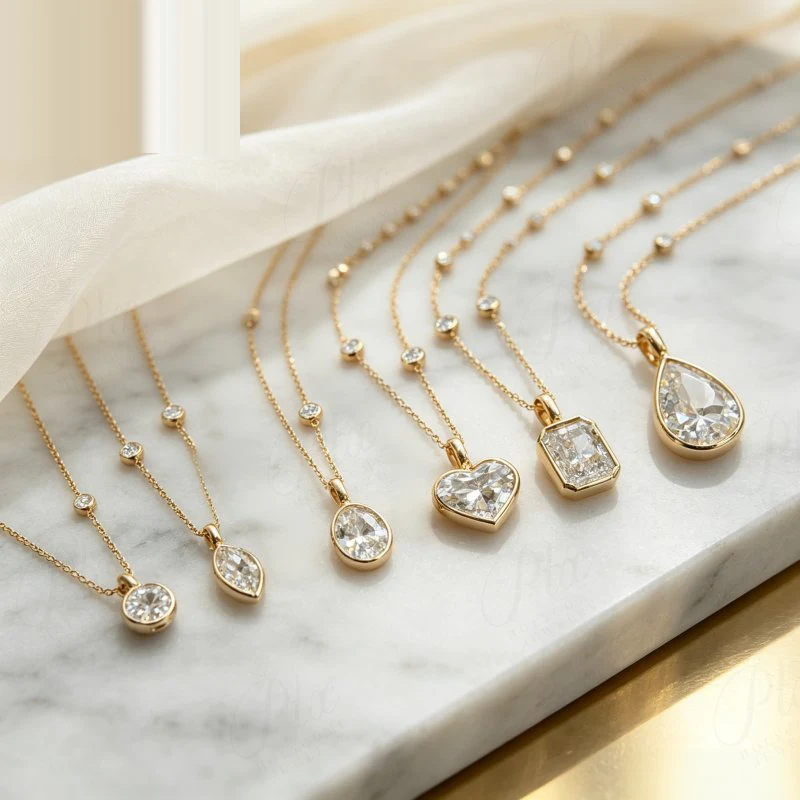
Layering necklaces is the look that never fully goes away, because it lets one person wear several small personal pieces at once. The reason most attempts look tangled rather than curated is simple: the pendants sit at the same height. Fix the heights and the rest of the styling almost takes care of itself.
The three-length formula
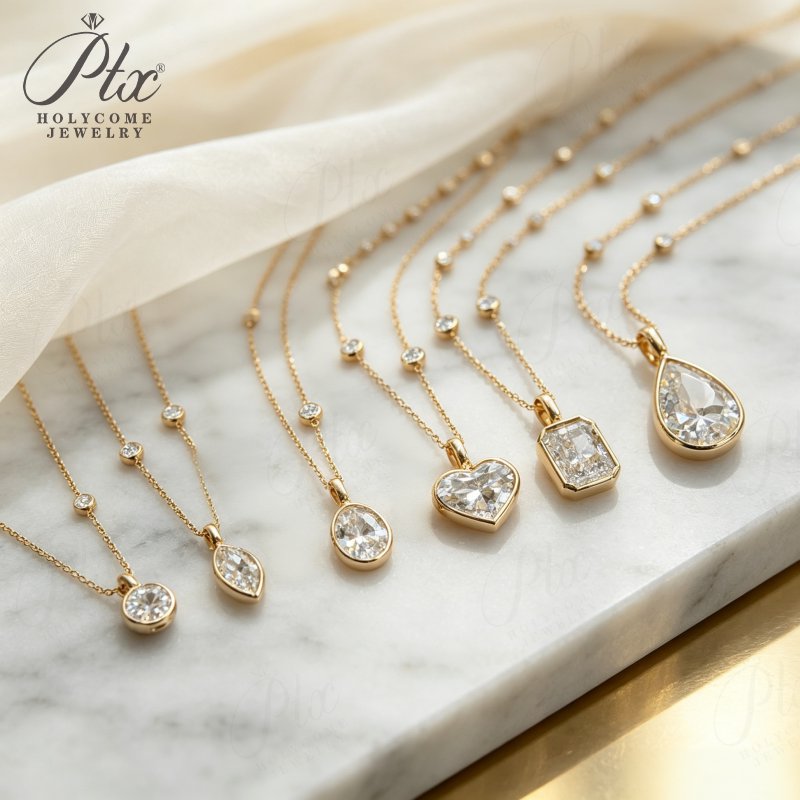
Start with three chains, each two inches apart. That spacing is enough that no two pendants land on the same spot, which is what stops the twisting.
| Layer | Length | Pendant to put on it |
|---|---|---|
| Top | 14 inch | Tiny beads or a 6-8 mm initial |
| Middle | 16 inch | Your main letter, 10-14 mm |
| Bottom | 18-20 inch | A bar, coin or longer pendant |
If you only own two chains, use 16 and 18 inches. Even two pendants two inches apart read layered rather than knotted.
Match weights, not just lengths
A chunky chain layered over two delicate ones pulls the eye down to the heavy piece. Keep all three chains in a similar thickness, around 0.8 to 1 mm for a feminine look. You can vary the pendant size, but keep the link weight consistent. That is the difference between a styled stack and a pile of random necklaces.
Mixing metals in 2026
Mixed metal layering is the norm now, but it works best when one tone dominates. If your watch and earrings are silver, keep two of the three chains silver and let a single gold or rose-gold piece act as the accent. A cool silver letter layered over a warm gold bead chain reads modern, especially against autumn knits. Three different metals with nothing tying them together reads messy.
What to put on each layer
- Top layer: the smallest, quietest piece. A bead chain, a tiny initial, a choker-style pendant.
- Middle layer: the piece you actually want seen. Your main letter or name.
- Bottom layer: the longer, linear piece. A bar, a coin, a slim pendant.
Resist the urge to put a name pendant on the top layer. Names need a little space to read, which is why they live in the middle.
Stopping the tangle
Even at the right lengths, chains twist through the day. Two small fixes help: choose a cable or box chain rather than a fine snake chain, which knots badly, and add a cheap necklace separator clip that holds the chains together at the back. Putting on the longer chains first and the shorter ones last also reduces tangling.
Common layering mistakes
The first mistake is piling on pendants that all read at the same size. A dainty letter, a chunky coin and a long bar all at once looks cluttered. Keep one pendant as the main event and let the others fade into texture. The second mistake is mixing too many chain thicknesses; a heavy link chain next to a fine snake chain looks like a mistake rather than a style. Keep the links within a similar weight, even if the metals differ.
The third mistake is forgetting the neckline. A layered stack under a high turtleneck disappears entirely; it needs an open neckline to read. Under a button-up shirt, keep the layers shorter so they sit above the collar. With a V-neck, let the longest chain drop just below the point of the V. The stack is not worn in isolation; it is worn against a specific neckline, and adjusting the lengths to the outfit is what makes it look intentional. When in doubt, fewer chains and more space beats more chains and less breathing room. A well-built stack is one of the most personal looks in jewelry, because it carries several small meanings at once: a child's initial, a birthstone, a name. Build it slowly, keep the lengths two inches apart, and the stack will read as yours rather than as a trend.
If you are building the stack piece by piece, our letter necklace guide covers which pendants start a layering set.
For someone starting from scratch, the most affordable way to build a stack is to buy one well-made middle piece first, then add the top and bottom layers later as budget allows. Do not buy three cheap chains at once; they will tangle and tarnish. One solid 925 silver pendant at 16 inches, worn alone for a season, is the foundation. The rest grows from there.
Start with one, then add
The most polished layering sets are built slowly over months, not bought in one sitting. Wear a single 16 inch letter necklace for a month, then add a 14 inch bead chain, then an 18 inch bar. That way each new piece is chosen to work with what you already own, and the stack grows into a look rather than a purchase.
Authoritative References
For buyers who need to verify the technical and regulatory basis of this guide, the following independent institutions publish authoritative reference data:
- ISO 9001 Quality Management - the international standard for consistent production quality.
- Wikipedia: Jewelry - manufacturing processes, materials and global trade background.
Related reading: Letter Necklace Stacking: Three-Chain Formulas That Actually Work, Necklace Length Guide: Find the Chain That Fits Your Collarbone, Letter Necklace Layering: Chain Length Combinations.
Frequently Asked Questions
What ring sizes can you supply in bulk?
US sizes 5–12 including half sizes. Send a size breakdown with your order and we cast to that curve; comfort-fit inner bands reduce resize requests.
Can I order a mixed size run instead of one size?
Yes. Mixed runs are standard for wholesale: specify quantity per size and we pack and label by size at no extra labor cost.
What is the MOQ for custom ring designs?
50 pieces per design for existing molds; 100–300 pieces when a new mold or CAD model is required.
How should I price rings for retail margin?
Most partners use a 3–4x markup on FOB cost for sterling and 2.5–3x for moissanite solos, which keeps landed cost under 30% of retail.
Every figure here is quoted from our own bench in Wuzhou.
Send a spec sheet