How to Choose the Right Chain Length for Layering

Styling & Trends — the notes below follow the order we actually quote, sample and ship these pieces.
Layering necklaces looks effortless, but it is really the result of choosing the right chain lengths. The trick is not piling on necklaces; it is spacing them so each pendant sits at its own level and the chains do not knot together. This guide shows you which lengths work together, how to match them to your neckline, and the simple combos that never fail. Once you understand the spacing, you can build a layered look from pieces you already own.
The Three-Level System
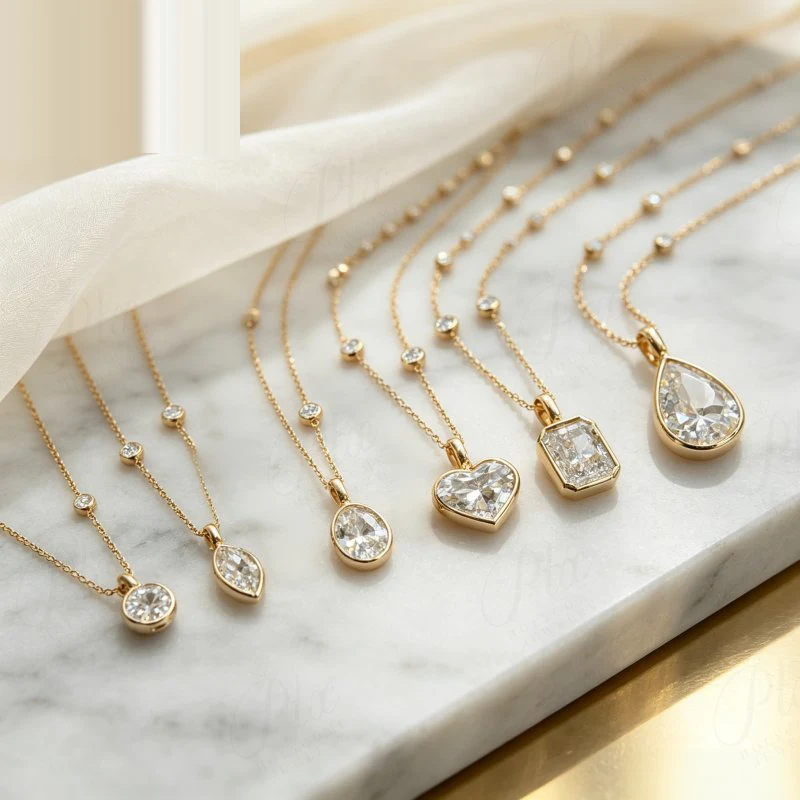
The most flattering layered look uses three distinct levels. A close chain at about 14 to 16 inches sits high on the neck. A middle chain at 18 inches rests at the collarbone. A longer chain at 22 to 24 inches drops to the upper chest. Because each level is several inches apart, the pendants never crowd each other and the chains rarely tangle. This three-level system is the backbone of every stylist-approved layered look. You can use two levels, but three is where the style really reads. Explore our range of lengths in the buying guides.
Lengths That Work Together
The spacing matters more than the absolute numbers. Two chains only two inches apart will twist and knot. Two chains six inches apart will hang independently. A reliable starter combo is 16, 18, and 24 inches. Another is 15, 18, and 22 inches. What you avoid is putting an 18-inch chain next to a 19-inch chain; those will fight. When you buy a pendant, check its length and choose a chain that sits at a different level than your existing pieces. Our double-layer necklace already does this spacing for you.
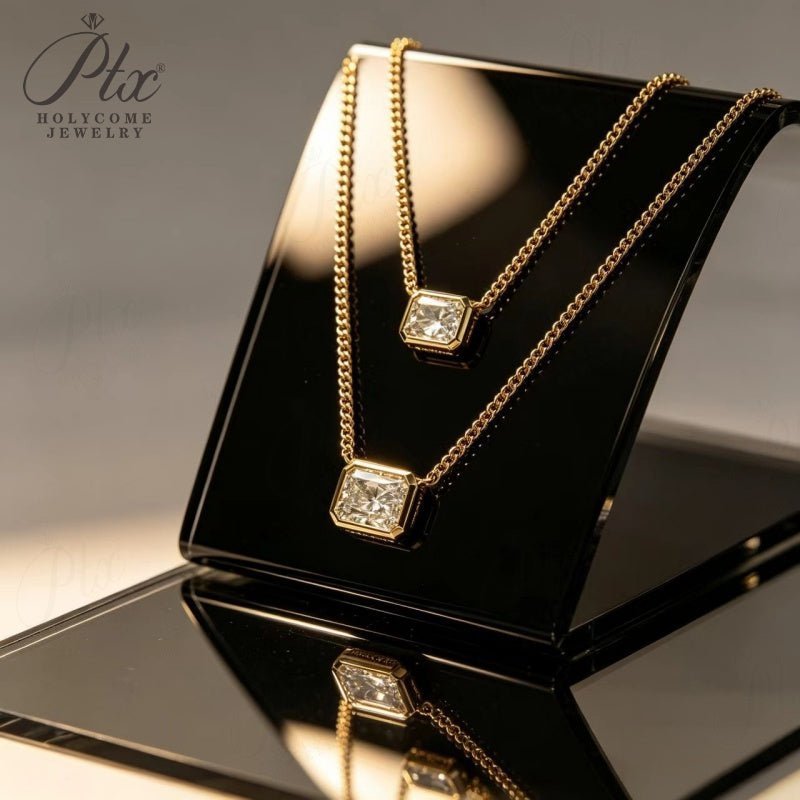
Matching Layers to Necklines
The neckline decides where the longest layer should land. A crew neck looks best with layers ending around the collarbone and upper chest. A V-neck suits a longer pendant that follows the line of the V. An off-the-shoulder neckline pairs beautifully with a high choker-level chain. If your top is busy or high-necked, keep layers shorter and simpler. If your top is plain and open, longer layers have room to shine. We break down lengths further in the necklace buying guides.
How to Stop Chains Tangling
Tangles happen when chains are the same length and similar weight. To prevent them, vary the lengths widely and choose slightly different chain thicknesses. A fine chain next to a thicker curb chain is less likely to twist together than two identical fine chains. Fasten each clasp before you put the layers on, and put the longest chain on first. At the end of the day, unfasten and lay each chain flat rather than dropping them in a heap. A little care means your layers stay neat.
- Start high: a 14-16 inch close chain.
- Add a middle: an 18 inch pendant at the collarbone.
- Finish low: a 22-24 inch chain for length.
- Vary thickness: fine plus curb plus a charm.
Building Layers Over Time
You do not need a full layered set at once. Start with one everyday pendant at 18 inches. Add a shorter choker-level chain later. Finish with a longer sentimental piece. Because each piece is bought separately, the layered look grows into a personal collection rather than a single matching set. This is part of why layering feels so meaningful: the neck tells a small story. See how customers build theirs in the trends guide.
Frequently Asked Questions
How many necklaces is too many to layer?
Three to four is the sweet spot. More can look cluttered and tangle more easily.
Can I layer chains of the same length?
Avoid it. Same-length chains twist together. Keep several inches between each level.
What is the best starter layering length?
An 18 inch pendant. It suits most necklines and is easy to layer up from.
Choose spaced lengths, vary the chain weights, and match the longest layer to your neckline. Once the spacing works, layering looks effortless. Browse our full jewelry guides for more.
How to Measure a Chain You Already Own
If you want to add layers that match your current pieces, borrow a chain you love and measure it. Use a soft tape from the clasp to the pendant, laid flat. That number is your anchor. When you buy a new layer, choose a length at least three inches away from it. This is the most reliable way to build layers that fit your body and your existing collection. Guessing lengths usually results in chains that tangle, while measuring gives you a starting point that works. We list standard lengths in the length guide.
The Role of Chain Thickness
Thickness is as important as length. A very fine chain and a slightly thicker curb chain layer more cleanly than two identical fine chains, because the eye distinguishes them. When you build layers, vary the chain weights: one delicate, one slightly more substantial. This creates rhythm. Two chains of the same length and thickness will always fight. When shopping, look at the chain weight in the product details and choose pieces that differ. See how layered pieces are built in the layered range.
Mistakes to Avoid When Layering
The most common mistake is too many pieces at the same length. Another is choosing pendants that are all the same size, which crowds the neck. A third is forgetting to vary the metal or texture. Correct these by spacing lengths widely, using pendants of different sizes, and mixing textures. Start with three pieces, not five. Once those three sit well, you can add. This measured approach keeps the look intentional rather than cluttered.
Frequently Asked Questions
Can I layer a necklace with a pendant and a chain?
Yes, and it looks great. Keep the pendant on a different length than the plain chain.
Do shorter chains always go on first?
Put the longest on first, then shorter ones, so they lay smoothly.
Measure what you own, vary lengths and thickness, and start with three. Layering is spacing, not piling. More in the jewelry guides.
Putting It Together: A Starter Layered Set
If you are building your first layered look, start simple. Choose an 18 inch everyday pendant as your base. Add a 15 inch close chain in a contrasting texture. Finish with a 24 inch longer sentimental piece. These three lengths sit at distinct levels and almost never tangle. Keep the metal tones consistent to start, then experiment with mixing later. This starter set works with crew necks and open shirts alike. Once you feel comfortable, you can add a fourth piece or swap pendants. The goal is a look that feels like you, not a costume. Browse how customers layer in the layered collection.
Related Articles
Authoritative References
For buyers who need to verify the technical and regulatory basis of this guide, the following independent institutions publish authoritative reference data:
- ISO 9001 Quality Management - the international standard for consistent production quality.
- Wikipedia: Jewelry - manufacturing processes, materials and global trade background.
Every figure here is quoted from our own bench in Wuzhou.
Send a spec sheet