Traditional vs Modern Birthstones: Why Some Months Have Three
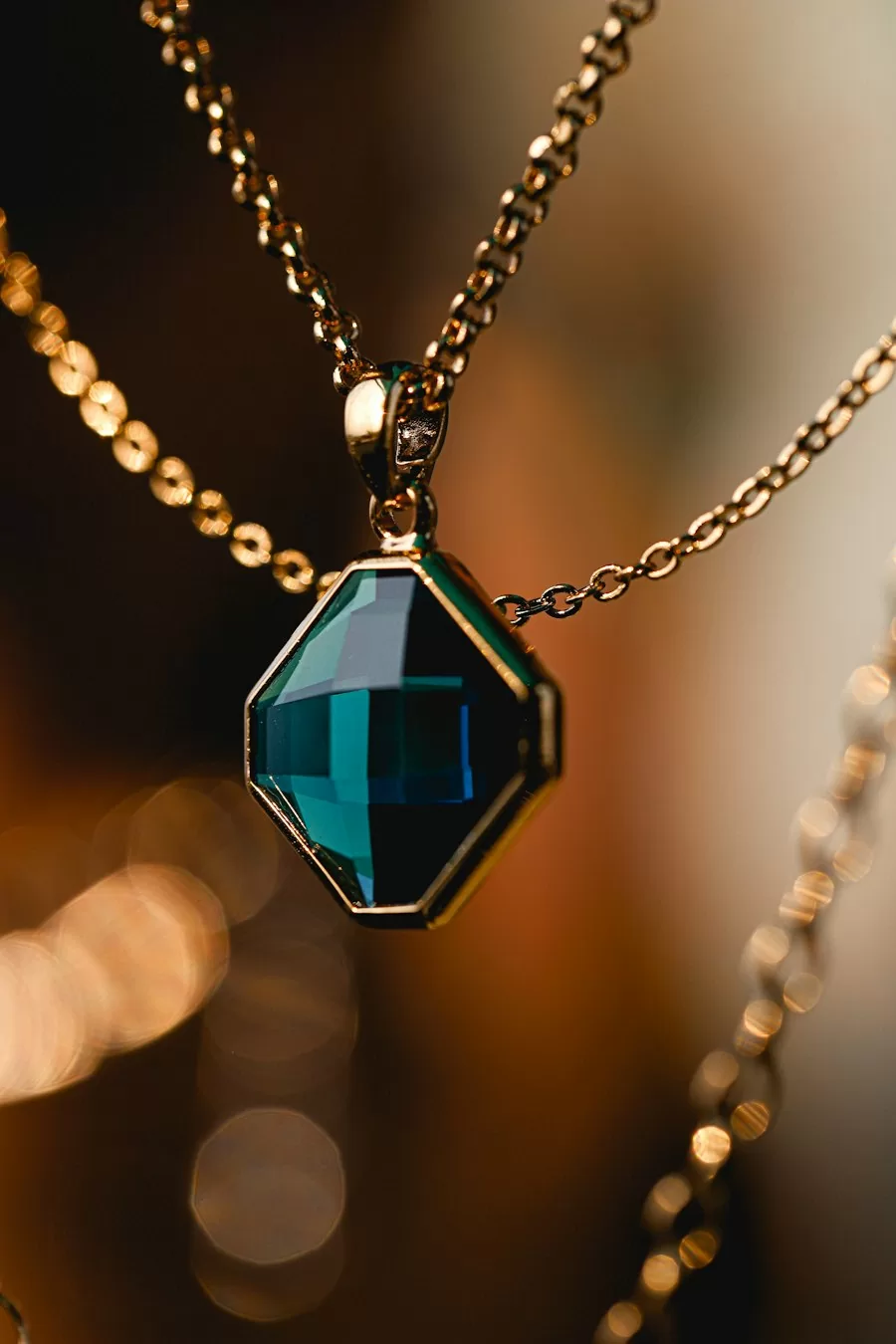
Stones & Gemstones — the notes below follow the order we actually quote, sample and ship these pieces.
Look up your birth month and you will notice something odd. Search "June birthstone" and you get pearls, alexandrite and moonstone. "December" returns turquoise, blue topaz and tanzanite. No other jewelry tradition splits like this, and the reason is partly commercial—though it ended up genuinely useful for anyone designing a piece to wear every day.
Here is what the two lists actually mean, where they came from, and which stone you should really set in an everyday birthstone pendant.
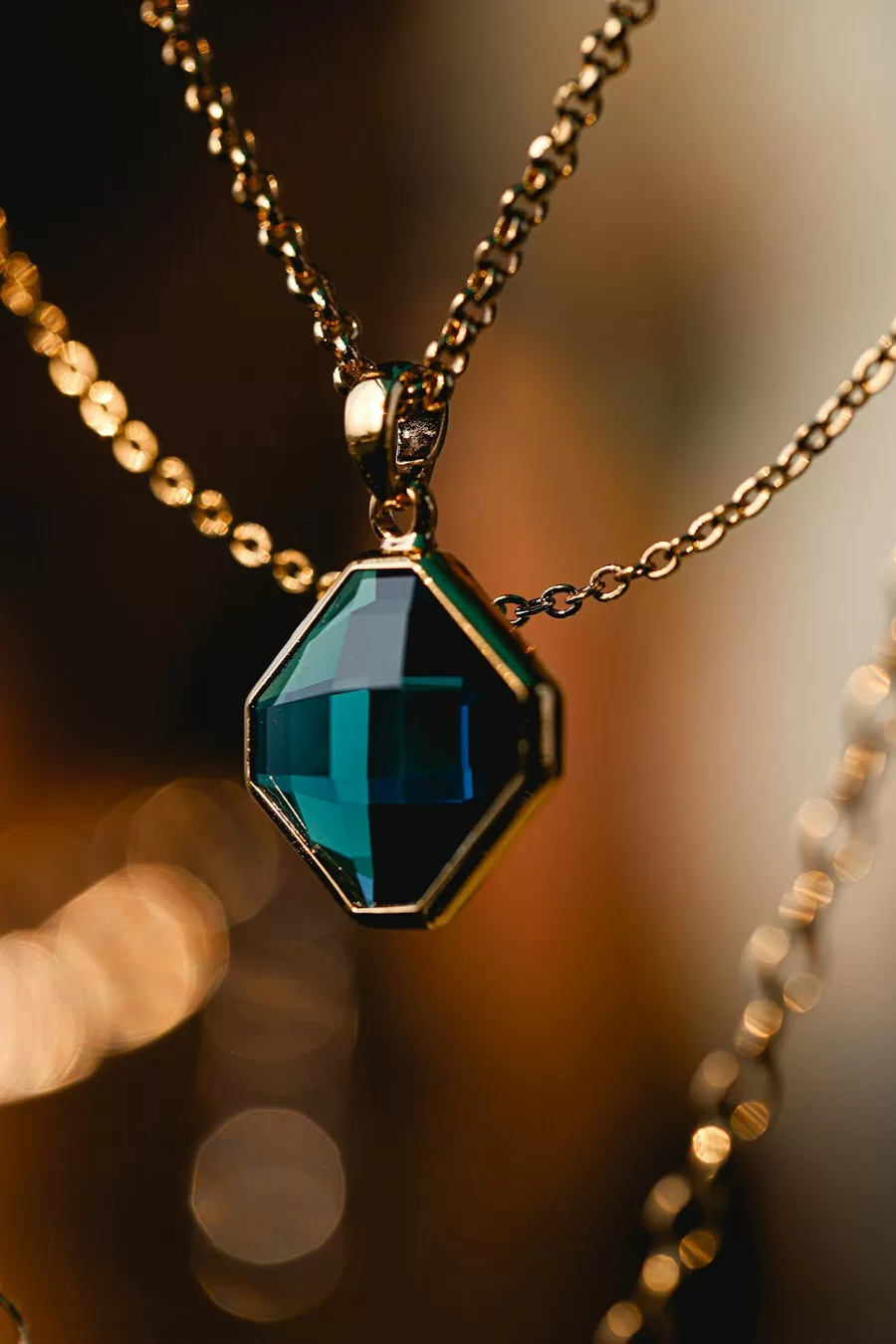
Before 1912: the traditional list
Birthstones as we know them trace back through Polish, Russian, Italian and even Hebrew breastplate traditions, but there was never a fixed mapping. Different regions assigned different stones to different months, and the meaning traveled with the stone rather than the date. A "traditional" birthstone today usually means whichever gem your region happened to settle on by the nineteenth century. That is why a European chart and an American chart used to disagree about half the year.
1912: the Jewelers of America standard
The modern list began in 1912, when the National Association of Jewelers, now Jewelers of America, published a single standardized chart. The point was partly marketing: it turned birthstone jewelry into a repeatable national product rather than a regional one. That list is the one most jewelers still default to—garnet for January, amethyst for February, aquamarine for March, and so on. If you learned your birthstone in school, this is the list you learned it from.
2016: the expanded modern list
In 2016, the American Gem Trade Association added and clarified several stones to reflect what customers actually wanted to wear. The additions created the "extra" stones you now see on every modern chart:
- June: pearl and alexandrite join moonstone
- August: peridot is joined by spinel and sardonyx
- December: turquoise and blue topaz are joined by tanzanite
These are not "correct" versus "incorrect." They are an expanded menu, and jewelers pick whichever fits the design, the budget, and the wearer's lifestyle. A December birthday no longer means choosing between a cheap topaz and an out-of-budget tanzanite—you now have three honest price and durability points.
Which stone to actually pick for a pendant
This is where the list stops being academic. A pendant worn daily has to survive knocks, perfume, and the occasional sweaty sleeve. On the Mohs hardness scale, which ranks minerals from talc at 1 to diamond at 10, the split matters:
- Durable picks, 7 and above: garnet, amethyst, aquamarine, citrine, topaz, peridot. These take daily wear without fuss.
- Medium picks, 5 to 7: turquoise, tanzanite, pearl-adjacent organics. Wearable, but keep away from chemicals and rough knocks.
- Soft picks, under 4: pearl, moonstone, opal. Gorgeous, but scratch easily and need to live away from hands-on work.
A soft birthstone in a silver pendant is not a mistake—it is a choice. Just set it in a bezel rather than four exposed prongs, and expect to treat it like fine jewelry rather than a sweatproof everyday piece.
How the choice changes with the occasion
A graduation or push-gift piece that gets worn daily leans toward the harder stone. A sentimental gift that lives on a dressing table, or comes out for evenings, can lean toward the romantic soft stone. A piece for a nurse, a chef, or anyone with hands-on work should default to the durable option even if the softer one is prettier. The prettiest stone in the drawer is worth less than the durable one on the neck.
Does the "right" birthstone actually matter?
No. There is no gemological reason a January baby must wear garnet rather than another red stone. The tradition is cultural, and it has been edited by marketers more than once. What matters is that the wearer likes the stone, that it holds up to her life, and that the silver setting does the color justice. If the traditional August peridot reads too green on her skin but the modern spinel reads perfectly, wear the spinel. The month is the starting point, not the verdict.
Many people end up mixing traditions on purpose—a traditional stone for one child, a modern alternative for another—simply because the color suits them. If you are gifting and unsure, ask what colors she already wears. A birthstone pendant that clashes with her wardrobe will spend its life in a jewelry box. One that echoes the tones she already reaches for will leave the box every morning.
A quick way to decide
If the month offers options, ask one question: where will this pendant actually live? On a commuter's chest through a long winter, or on a shelf next to a photograph? Either answer is fine—the list is a guide, not a rulebook. The stone you pick is the one the wearer will reach for, and that beats tradition every time.
Authoritative References
For buyers who need to verify the technical and regulatory basis of this guide, the following independent institutions publish authoritative reference data:
- GIA Gem Encyclopedia - independent grading and identification reference for natural and lab-grown gems.
- Wikipedia: Moissanite - peer-reviewed background on moissanite chemistry, optics and history.
Frequently Asked Questions
How do I verify a factory before placing a bulk order?
Request a production video, business license, export records and a paid sample run. A factory that accepts a 50-piece test order is usually a real manufacturer.
What payment terms do you offer?
30% T/T deposit with the balance against the bill of lading. This protects both sides on first orders and can move to net terms after a track record.
What is your normal reject rate?
3–5% under 10x loupe inspection for cast and set pieces. Defective units are replaced free in the next shipment.
Where is the factory located?
Wuzhou, Guangxi, China—the core lab-grown and moissanite manufacturing cluster. Shipments go via Guangzhou or Shenzhen ports.
Every figure here is quoted from our own bench in Wuzhou.
Send a spec sheet

