Sterling Silver Care and Storage: Why It Tarnishes and How to Stop It
Care & Cleaning — the notes below follow the order we actually quote, sample and ship these pieces.
Sterling silver (ISO 925 sterling silver standard) is 92.5 percent silver and 7.5 percent other metals, almost always copper. That copper is what makes the alloy hard enough for a pendant that survives daily wear—and it is also what tarnishes. Copper reacts with sulfur in the air, in food and in common household materials, producing a dark film that climbs from yellow to brown to black. The silver underneath is fine; the film is the problem.
What accelerates tarnish
Sulfur is everywhere. The worst accelerators in a normal home:
- Hard-boiled eggs, onions and garlic in the kitchen—cooking vapors carry sulfur.
- Rubber bands and latex gloves—vulcanization uses sulfur. A silver pendant looped around a rubber band overnight comes back spotted.
- Leather pouches and leather jewelry rolls—tanning uses sulfur. The soft pouch many gift shops include is actively bad for long-term storage.
- Wool felt and untreated cotton.
- Bathrooms—heat, humidity and residual chlorine from tap water.
- Hot springs, volcanic regions and coastal atmospheres.
Chlorine is a separate enemy. Swimming pools and hot tubs pit sterling silver and strip the polished surface. Soaking a silver pendant in chlorine bleach to clean it is the fastest way to ruin it.
Daily habits that double the lifespan
Two rules cover ninety percent of damage. First, put jewelry on last—after perfume, hairspray, lotion and sunscreen have settled. Second, take it off first—before showering, before applying cream, before bed. A thirty-second wipe with a 100 percent cotton cloth after each wear removes skin oils that hold moisture against the metal. Skip paper towels—the wood fibers scratch silver.
Storage that works
The goal is to isolate the silver from air and sulfur. A felt-lined jewelry box with separate compartments is the baseline. Add a zeolite anti-tarnish strip or a small activated-charcoal pouch—these absorb sulfur and last six months. For pieces worn only occasionally, a zip-lock bag with the air pressed out is more effective than an open tray. Keep the box out of the bathroom. In humid climates, drop a silica gel packet into the drawer.
Metal-on-metal contact scratches. Necklaces tangle in a heap; pendants clatter against each other. A small roll with individual slots, or hanging chains on hooks, both beat a single tray.
Cleaning engraved pieces
Jewelry dips are fast and destructive on engraved silver. The liquid gets into the letters, sits there, and keeps reacting. For a plain pendant, a dip works. For an engraved bar, a nameplate or a disc with coordinates, skip the dip.
The safe method is warm water, a drop of mild dish soap, and a soft baby brush for the engraving grooves. Rinse under lukewarm water, pat dry with cotton, then buff with a treated polishing cloth. Long back-and-forth strokes follow the metal's direction; circular rubbing leaves swirl marks. The treated cloths carry a mild polish—do not wash them, because the wash removes the polish.
Ultrasonic cleaners
An ultrasonic bath blasts dirt with high-frequency sound. It is safe for plain sterling silver and for hard stones like sapphire, garnet and amethyst. It is not safe for pearls, opal, turquoise, lapis lazuli, coral or any glued charm—the vibration splits glue and cracks soft stones. If the pendant carries a birthstone on that list, hand-wash only.
When to re-polish or re-plate
Daily-wear silver develops a soft patina within a year. Some owners like it; customers who want mirror-bright need a rhodium flash every twelve to eighteen months. Engraving loses its crisp edge around year five on a piece worn every day. A professional re-cut refreshes the letters and restores the contrast.
What to tell retail customers
Include a small care card with every order: wear-last, remove-first, wipe-after-wear, store in a zip bag with an anti-tarnish strip. Six lines, no marketing. Customers who follow the card return for replacements; customers who do not return with tarnished complaints. The card costs nothing and closes the loop.
Common cleaning myths to skip
Toothpaste is abrasive. It removes tarnish, yes, and it also removes the polished surface, leaving micro-scratches that make the piece tarnish faster next time. Ketchup works on silver because the acid dissolves the oxide, but it also pits engraved letters and smells for days. Aluminum-foil baking-soda baths work for plain silver but push chemical residue into engraving crevices. Stick to the warm-soap method on anything engraved.
Travel setup
Necklaces tangle in travel pouches. The fix is to thread the chain through a drinking straw, clasp it, and lay the straw flat in the case. Pendants go in a small pill box lined with felt. Hand-carry the jewelry; checked luggage gets lost, and a sentimental engraved pendant is not replaceable at the destination. At a hotel, keep the piece in the safe rather than on the bathroom counter—humidity and housekeeping both work against it.
What to ask the supplier
- Do pieces ship with an anti-tarnish strip and a cotton pouch?
- Is the silver rhodium-flashed for extra brightness, or left natural?
- Are the engraved areas filled with enamel, which resists dip damage?
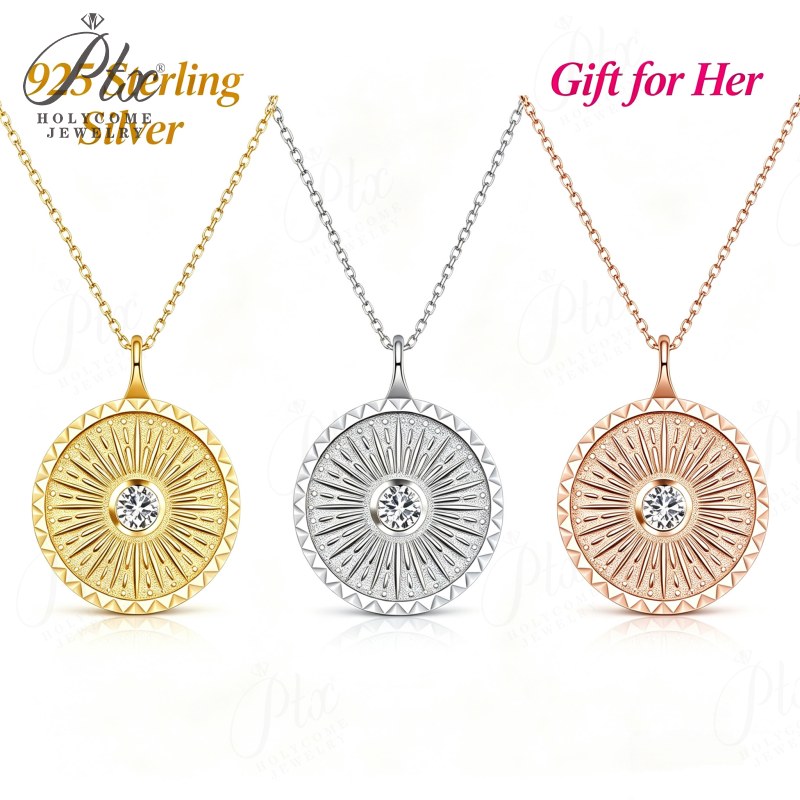
Tarnish is a chemical process, not a verdict on the jewelry. Cut the sulfur, keep the air off, and clean engraved pieces by hand. See the range in our silver pendants and ship-ready care options.
Frequently Asked Questions
How do I prevent sterling silver from tarnishing in storage?
Use anti-tarnish bags with a sulfur absorber, keep humidity under 60% and avoid paper wrapping. Rhodium plating adds a further barrier on high-turn SKUs.
Is rhodium plating worth the added cost?
Yes for display and gift lines. It resists tarnish for 12–18 months and keeps shelf pieces bright, which reduces markdowns.
What purity do you supply?
925 sterling silver, stamped and hallmarked. Fine silver (.999) is available for beads and bullion-style pieces.
What is the MOQ and lead time?
50 pieces per design, samples 3–5 days, bulk 15–20 days.
Every figure here is quoted from our own bench in Wuzhou.
Send a spec sheet