Stage Name Necklaces for Performers, Streamers, and Writers
Engraving & Personalisation — the notes below follow the order we actually quote, sample and ship these pieces.
Every performer has two names. The one on the passport, and the one the audience calls. For musicians, actors, stand-up comics, streamers, podcasters, and writers, the stage name (or artist name, or pen name) is not a fake. It is a professional identity, carefully chosen, sometimes legally changed, always work. It is also, increasingly, something people want to wear.
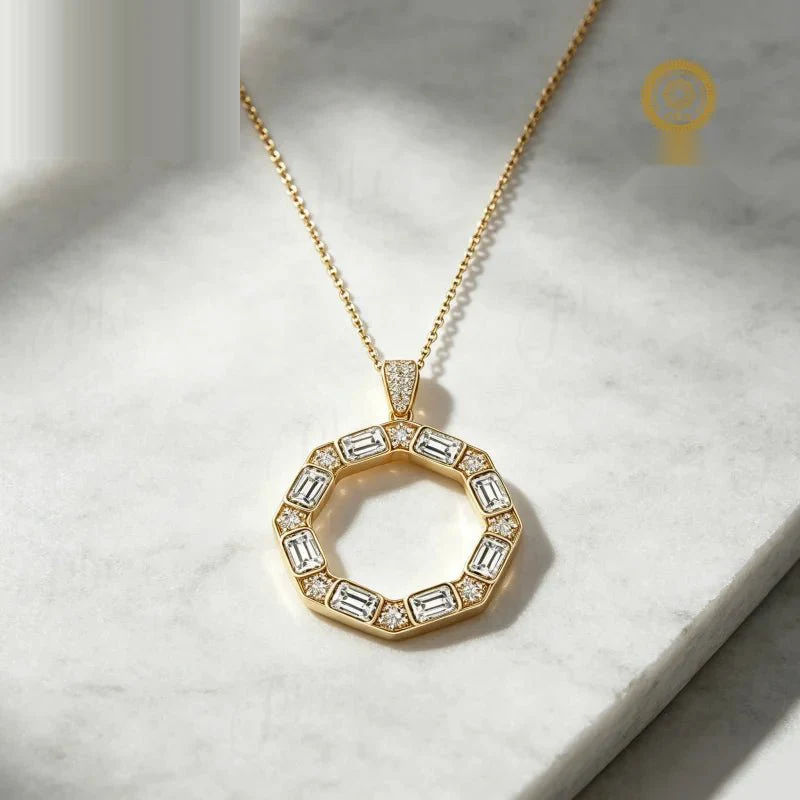
A name necklace with a stage name on it is a quiet, on-brand accessory. It shows up in interview close-ups, on Twitch overlays, on author headshots, and on stage under the lights. It also works off camera - it is the piece you wear to a meeting where someone only knows you by your artist name, and it gently closes the small gap between who you are in the room and who you are on the poster.
Why a stage name necklace works
Think about what your name already does on screen. It is in your bio, your handle, your banner. A necklace just brings it down to body level. For a creator who spends hours a day framed from the chest up, a piece of jewelry with their name on it is essentially a walking watermark - but one that looks good, not salesy.
It also solves a small awkwardness. When fans meet you in person, they may hesitate on which name to use. Seeing the name you perform under, worn around your own neck, gives them permission. They call you what you have asked to be called.
Choosing a font that matches the act
The font you pick should sound like your work. A country songwriter wants something warm and slightly vintage - a serif script, maybe with a little texture. A rapper or electronic producer wants something bold, geometric, and unapologetic - a block font that reads as type, not cursive. A novelist wants something quieter, almost bookish. Our font comparison guide walks through which scripts photograph well under stage light and which get lost in shadow.
If your stage name is long, consider shortening it on the piece to the version fans actually use. "The Amazing Jonathan" on a necklace is unwearable; "JONATHAN" in clean block letters is not. You are not hiding your name. You are wearing the version of it that fits your collarbone.
Material that survives a tour or a stream
Performers put jewelry through things normal people do not. Stage lights get hot. Mics clip against chains. Long sets mean sweat. Travel means packing and unpacking. For that life, sterling silver beats plated brass every time: it does not flake, it tolerates polishing, and it does not turn skin green under hot lights. If you wear gold on camera, a solid gold or well-made gold-plated piece holds up better than a fashion-store necklace that dies after two shows.
Chain length matters too. A short 16-inch chain sits high on the neck and reads clearly on camera. A longer 20-inch chain disappears into a shirt. If the necklace is doing a job on screen, size it short enough that the letters stay in frame.
The version you keep
Most creators who buy a stage name necklace end up keeping it long after the act changes. The streamer who pivots to podcasting, the musician who switches genres, the writer who moves from short fiction to novels - the necklace stays. It becomes a small artifact of the era they broke through. Years later, when someone asks about it, the story comes out: that was the name they chose when no one knew it, and the necklace was the first thing that made it feel real.
Matching the necklace to the platform
Where you appear on screen changes what the necklace needs to do. A podcaster whose audience only hears the voice does not strictly need the piece at all - but many still wear one, because the physical object changes how they talk. A streamer framed from the chest up needs letters that read clearly under bright ring lights; script fonts can turn to mush under hard key lights, so a block font often photographs better. A touring musician moving under hot stage lights needs a chain that does not bounce and a bail that will not catch on a guitar strap. Think about the room you actually perform in, not the idealized version of it.
It is also worth considering whether you want your legal name anywhere on the piece. Some performers choose to wear the stage name only, keeping the legal identity private. Others add a small date on the back - the year they started performing under the name - as a private marker. Either way, the necklace does the same job: it makes the name you chose feel less like a username and more like a person.
That is the real reason to wear your own stage name. Not as advertising. As proof that the name you invented for yourself stuck, and became a life.
Authoritative References
For buyers who need to verify the technical and regulatory basis of this guide, the following independent institutions publish authoritative reference data:
- ISO 9001 Quality Management - the international standard for consistent production quality.
- Wikipedia: Jewelry - manufacturing processes, materials and global trade background.
Frequently Asked Questions
Which chain lengths should I stock first?
16 to 18 inch covers most necklines and gift purchases. Add 20 inch for layering sets and 24 inch for pendant lines.
Are your chains nickel-free and hypoallergenic?
Yes. Sterling silver is 92.5% silver; stainless lines use 316L. Both are nickel-safe for reactive customers when plated correctly.
Can necklaces be personalized?
Laser engraving on pendants and clasps is available from 50 pieces, with 3–5 day turnaround on the engraving step.
What is the bulk lead time?
15–20 days under 500 pieces; 25–30 days for custom pendants or new molds.
Every figure here is quoted from our own bench in Wuzhou.
Send a spec sheet