Sobriety Anniversary Gifts: A Quiet Necklace That Honors the Day
Gifting & Occasions — the notes below follow the order we actually quote, sample and ship these pieces.
Sobriety anniversaries are complicated things. Some people celebrate loudly. Many do not. A person in recovery may not want a banner, a speech, or a group announcement. What they often do want, quietly, is for the people close to them to notice — and to honor the day without pressure.
A small engraved necklace does that gently. It is a private marker they can wear under a shirt, or turn over in their fingers on a hard afternoon. Here is how to choose one that respects the journey rather than perform it.
The date is the whole gift
You do not need a slogan. The single most meaningful engraving is the sobriety date — the day they choose to mark as their clean date. Just that. No words like "survivor," no recovery program name unless they tell you they want it. A date on a flat sterling silver bar, on the inside of a disc, or on the back of an initial pendant is enough.
If you are unsure of the exact date, ask. Do not guess. Getting the day right matters more than getting a fancier piece. Our guide on engraved anniversary dates covers formatting that stays readable for decades.
Choose a piece they can hide
Not every person in recovery wants their story visible at work, around new friends, or at a first meeting. That is why a discreet pendant — a slim bar, a tiny disc, a single initial — often lands better than a bold statement piece. It is for them. They can show it to people who matter, and leave it unseen for everyone else.
This is the same logic behind hidden message engravings. A date on the back of an otherwise plain pendant is a private marker, not a declaration.
Symbolism that fits, not clichés
Skip the obvious recovery iconography unless you know they want it. Instead, choose pieces that carry personal weight:
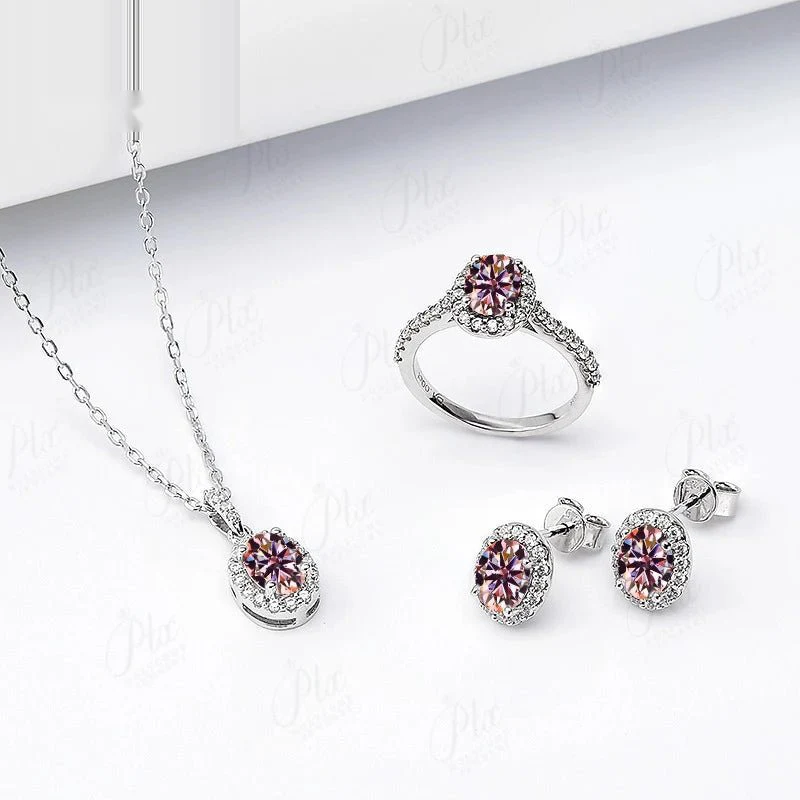
- A birthstone in their birth month, set quietly in silver.
- A word they have used in their own recovery, like "one day" or "progress."
- A small anchor or leaf shape they picked out themselves, if you shop together.
If they have talked openly about a symbol that matters to them, by all means honor it. If they haven't, keep it literal: the date, on metal, that they can touch when they need it.
How to give it
Keep the moment small. Hand the box over in private, on the actual date if you know it. A line as simple as "I'm proud of how far you've come" is enough. You do not need to recount the hard parts. They already know them.
If they do not acknowledge it right away, that is okay. Some people need time before they can wear something that close to the journey. Let the piece live on their terms.
Material that survives daily wear
Sterling silver is the practical choice — affordable, gentle on skin, and easy to polish. Avoid plated pieces that chip, and avoid anything with a clasp they cannot operate one-handed. A simple cable chain with a secure lobster clasp is the everyday winner. If they have sensitive skin, our notes on sterling silver and sensitive skin explain why 925 beats fashion alloys.
What to avoid
A few well-meaning choices actually land awkwardly. Skip the trophies, the plaques, and anything that frames recovery as a battle won in public. Skip gifts that reference using — even affectionately — because the wearer may not want that imagery near them. And skip assumptions about which program they follow. The date belongs to them, not to any meeting, book, or method. If you are unsure what language they use, the date itself is always safe and never wrong.
If they have a sponsor, a rehab center, or a recovery group they love, you could quietly ask what kind of acknowledgment they would appreciate. Most will tell you the same thing: keep it small, keep it private, and do not make it about the struggle.
It is not about the medal
A recovery gift is not a trophy. It is a reminder that someone outside the rooms noticed the work. A quiet date on a quiet silver bar, given on a Tuesday, often means more than a loud party ever could. The point is not the piece. The point is that you showed up, quietly, on the day that mattered. If they never wear the pendant in public, that is still a success. It lives where they need it to live, and that is exactly where it belongs. The less it announces itself, the more it actually says, and that is a rare quality in a recovery gift. No toast required, no audience, no fanfare — just a quiet acknowledgment that the day mattered.
Authoritative References
For buyers who need to verify the technical and regulatory basis of this guide, the following independent institutions publish authoritative reference data:
- ISO 9001 Quality Management - the international standard for consistent production quality.
- Wikipedia: Jewelry - manufacturing processes, materials and global trade background.
Frequently Asked Questions
Which chain lengths should I stock first?
16 to 18 inch covers most necklines and gift purchases. Add 20 inch for layering sets and 24 inch for pendant lines.
Are your chains nickel-free and hypoallergenic?
Yes. Sterling silver is 92.5% silver; stainless lines use 316L. Both are nickel-safe for reactive customers when plated correctly.
Can necklaces be personalized?
Laser engraving on pendants and clasps is available from 50 pieces, with 3–5 day turnaround on the engraving step.
What is the bulk lead time?
15–20 days under 500 pieces; 25–30 days for custom pendants or new molds.
Every figure here is quoted from our own bench in Wuzhou.
Send a spec sheet