Personalized Gifts Wholesale: reorder timing

Metals & Plating — the notes below follow the order we actually quote, sample and ship these pieces.
Why Reorder Timing Makes or Breaks Personalized Gifts
Personalized Gifts succeed at retail when stock is deep enough to ship fast, and they fail when a bestseller sits at zero for weeks. For wholesale buyers, the reorder calendar matters more than the initial purchase order: a single style of engraved 925 sterling silver nameplate pendants can sell through in days during the holiday push, and every day it is out of stock is a lost sale.
This guide walks through the practical timing and stock depth decisions US retailers face when ordering Personalized Gifts, including how to plan around sampling windows, production lead times, and DDP delivery to the US.
The Two Modes: Stock Styles Versus Custom Work
Before you can plan reorders, you need to know which mode each product lives in. Stock styles carry a minimum order quantity of 1 piece, which makes them ideal for testing a design or covering a sudden gap on your shelf. Custom work requires a minimum of 30 pieces, which changes how you think about depth: you are committing to a run, so you need to be confident the style will sell through before the next reorder window closes.
Loose stones are sold by the carat, so if your Personalized Gifts include a moissanite accent — a lab-created diamond alternative — you can budget stones separately from the metal setting. Pricing per piece or per carat depending on the item gives you flexibility: you can hold depth on fast-moving settings and buy stones to match demand rather than guessing months ahead.
Mapping the Lead Time Clock
Every reorder decision starts with the production clock. Sampling takes 7 to 10 days, and bulk production runs 15 to 25 days after you approve the sample. Add DDP delivery to the US of 5 to 8 days, and a realistic door-to-door timeline for a reorder is roughly four to six weeks when nothing goes wrong. If you are planning a custom 30-piece run, build in the sampling stage on top of that.
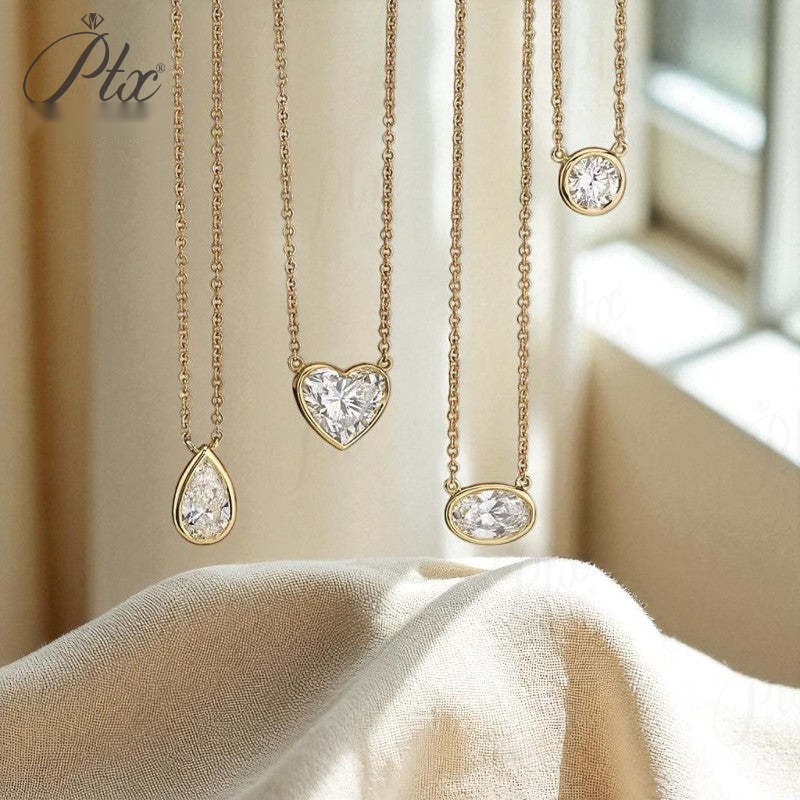
The practical takeaway: if your personalized heart pendants sell 40 units a month, you should trigger a reorder when you still have 25 to 30 days of stock on hand. Waiting until the shelf is empty means your customers wait, not you.
A Reorder Trigger Framework
A simple trigger system keeps timing objective instead of emotional:
- Track weekly sell-through per SKU for at least eight weeks before setting a trigger point.
- Set the trigger at your average weekly sales multiplied by the full lead time in weeks, plus a buffer of one to two weeks.
- Review triggers every quarter; Personalized Gifts around Mother's Day and December need different math than spring basics.
- For custom 30-piece runs, treat the minimum order quantity itself as part of your buffer stock.
Buyers who order reactively tend to over-correct, buying too deep after a stockout and then tying up cash. A trigger point written into your purchase order calendar removes that guesswork.
How Deep Should Your Stock Go?
Stock depth is a cash flow decision as much as a sales decision. Because MOQ for stock styles is 1 piece, you can start shallow on unproven designs and add depth only where data supports it. The table below offers a working framework for depth by product role.
| Product Role | Suggested Starting Depth | Reorder Trigger |
|---|---|---|
| Test design (stock style) | 5 to 10 pieces | Two weeks of stock left |
| Proven core seller | 30 to 60 pieces | Four to six weeks left |
| Custom 30-piece run | Full MOQ minimum | Reorder at 40 percent remaining |
| Seasonal or gift-driven | 8 to 10 weeks of forecast | Order before the seasonal peak |
| Loose moissanite stones | Buy per carat as needed | Match to setting orders |
Treat this table as a starting point, not a rulebook. A small boutique with limited cash should stay shallow even on proven sellers; a multi-store chain can justify deeper positions because the sell-through spreads across locations. The one constant is that depth should follow data, and the first two months of sales history are the cheapest research you will ever buy.
Balancing Cash Flow Against Stockouts
Depth decisions should also reflect how you pay. Bulk orders run on T/T terms with a 30 percent deposit and the 70 percent balance before shipment, which means your cash is committed roughly three weeks before goods land. PayPal is available for sample orders, so you can validate a new Personalized Gifts design with minimal exposure before committing to a larger run.
Spreading the sample stage into your calendar — 7 to 10 days — lets you test demand signals without touching bulk capital.
One caution: do not chase depth by skipping the sample stage. A 30-piece custom run built on an unapproved design is the most expensive mistake in this category, and the three-stage QC process — incoming, in-process, and pre-ship AQL inspection — protects the order you place, not the order you should have tested first.
Quality Control and Consistency Across Reorders
Stock depth is worthless if the second run does not match the first. Customers buying Personalized Gifts expect the same engraving quality, stone grade, and metal finish every time they reorder, and your reviews reflect any drift. Reliable suppliers run three-stage QC on every batch: incoming inspection of materials, in-process checks during production, and a pre-ship AQL inspection before the cartons close.
For stones, ask which grading papers accompany the goods. Graded stones use GRA or IGI papers, and keeping those certificates consistent across reorders protects your product claims at retail. The same discipline applies to metal: 925 sterling silver, 10K/14K/18K solid gold, gold vermeil, and gold plated pieces each occupy different price and positioning tiers, and the description on your site must match the true metal on every reorder.
Never let a supplier swap vermeil for plated between runs without telling you — the finish and value are different, and customers notice.
Building a Reorder Calendar Around US Retail Seasons
Because bulk production takes 15 to 25 days after approval and DDP delivery to the US takes 5 to 8 days, seasonal planning is backwards-looking: you place orders before the season, not during it. Working backwards from December 1 shelf dates, your approval deadline for custom work lands in early October. For Mother's Day, approval should happen by late March.
- October orders: holiday Personalized Gifts, including engraved pendants and initial jewelry.
- March orders: Mother's Day and graduation gift styles.
- Mid-year orders: replenishment of proven core sellers at standard trigger points.
- Rolling orders: loose moissanite stones bought per carat to match setting production.
Buyers who treat these dates as hard internal deadlines rarely face December stockouts. Buyers who order "when it feels right" regularly miss the window and pay for expedited arrangements or lose the season.
Working With Your Supplier on Depth Programs
The strongest wholesale relationships treat stock depth as a shared planning exercise, not a series of one-off purchases. Share your sell-through data with your supplier and ask what stock styles they can hold against your reorder patterns.
Because the MOQ for stock styles is 1 piece, many buyers split depth across two or three proven designs rather than loading one SKU — this spreads risk and keeps every shelf position live while you wait for the next 15 to 25 day production run.
Ask your supplier how they sequence a reorder against an existing sample approval. If your sample from the first order is still on file, a repeat run may move faster through approval, and the pre-ship AQL inspection will reference the same specifications. Consistency in paperwork — the same GRA or IGI papers, the same metal specification, the same DDP delivery terms to the US — turns a reorder from a negotiation into a routine transaction.
Questions to Ask Before You Commit to a Reorder
Bring these questions to your next supplier conversation:
- What is the current production schedule, and can my reorder slot into it without pushing past 25 days?
- Are the materials from my first run still available at the same specification and price per piece or per carat?
- Can the pre-ship AQL inspection follow the same checklist as my original order?
- Is DDP delivery to the US still running at 5 to 8 days, or has the transit window shifted?
Suppliers who answer these directly and consistently are the ones worth deepening your stock with. Suppliers who hedge on timelines are the ones where you should stay shallow and keep your reorder triggers tight.
Order Terms for Wholesale Buyers
MOQ is 1 piece for stock styles and 30 pieces for custom work, and loose stones are sold by the carat. Sampling takes 7 to 10 days, and bulk production runs 15 to 25 days after the sample is approved. Pricing is quoted per piece or per carat depending on the item. Payment is T/T with a 30% deposit and the 70% balance before shipment, and PayPal is accepted for sample orders.
Frequently Asked Questions
What is the minimum order quantity for personalized gift styles?
Stock styles have an MOQ of 1 piece, so you can start with very shallow depth and build as sell-through data comes in. Custom work requires 30 pieces per style. Loose stones are sold by the carat and are priced separately from settings.
How long does a reorder take from approval to delivery?
Bulk production takes 15 to 25 days after sample approval, and DDP delivery to the US takes 5 to 8 days. If a new sample is needed, add 7 to 10 days for sampling. Plan a full reorder cycle of roughly four to six weeks.
Can I order samples before committing to bulk production?
Yes. Sample orders can be paid via PayPal, and bulk orders use T/T with a 30 percent deposit and the 70 percent balance before shipment. Sampling takes 7 to 10 days, which lets you verify design and quality before committing capital.
How do I keep quality consistent between reorders?
Work with a supplier that runs three-stage QC: incoming inspection, in-process checks, and pre-ship AQL inspection. Confirm that graded stones carry GRA or IGI papers on every run and that the metal specification — 925 sterling silver, 10K/14K/18K solid gold, gold vermeil, or gold plated — stays identical order to order.
When should I place holiday orders for personalized gifts?
Work backwards from your shelf date. With 15 to 25 days of bulk production, 5 to 8 days of DDP transit, and sampling time for custom runs, early October approval is a safe deadline for December holiday stock. Seasonal depth of 8 to 10 weeks of forecast sales is a common starting point.
Plan Your Next Reorder With a Partner Who Tracks the Details
Reorder timing and stock depth are learnable disciplines, and the buyers who master them carry less cash risk while facing fewer stockouts.
If you are building a Personalized Gifts program and want a supplier who treats lead times, QC stages, and DDP delivery windows as commitments rather than estimates, start with our wholesale knowledge base for deeper buying guides, meet the team behind the production floor on our about us page, or request a sample and discuss a 30-piece custom run through our custom order service.
Sources: Grading references: GIA gem education and GIA laboratory information.
Every figure here is quoted from our own bench in Wuzhou.
Send a spec sheet