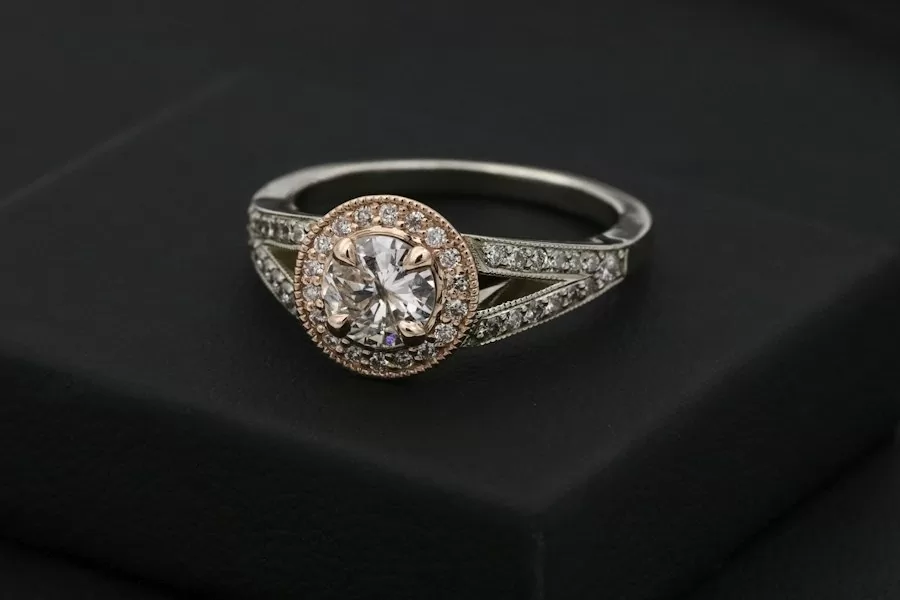
Personalized Gifts Supplier for Jewelry Stores: supplier audit red

Metals & Plating — the notes below follow the order we actually quote, sample and ship these pieces.
1. Early Warning Signs in Supplier Audits
When you first meet a potential supplier for personalized jewelry, the audit should start with a review of their production capacity. A quick glance at their facility layout, equipment list, and staffing levels can reveal gaps. If the factory lacks dedicated polishing lines or the setting area is overcrowded, you’re looking at higher risk of defects and delays.
Another red flag is inconsistent documentation. A reliable factory will keep detailed logs of incoming raw materials, stone grading, and final inspection results. If you encounter vague records or missing certificates, it signals a weak quality culture. A single stone check at the start of production is not enough; you need a multi‑stage QC flow.
2. The Cost vs. Speed Trade‑off
Many Chinese factories promise ultra‑low prices and rapid turnaround. While speed is attractive, speed often comes at the cost of oversight. A 12‑18 day lead time is standard for a well‑managed plant, but if a supplier offers anything faster without explaining their process, question their capabilities.
Similarly, watch the cost structure. If the quoted price is significantly lower than market averages, verify that you’re not sacrificing quality. A factory that offers 20% better first‑pass yield usually maintains rigorous QC, such as a three‑stage system: incoming stone check, in‑process assessment, and pre‑ship AQL. Absence of this chain is a red flag.
3. QA Procedures and Certification Standards
| QC Stage | What to Verify | Typical Certificates | Inspection Frequency |
|---|---|---|---|
| Incoming Stone Check | Stone cut, clarity, and weight | GRA or IGI | Every batch |
| In‑Process Check | Setting alignment, polish quality | Internal audit log | Mid‑production |
| Pre‑Ship AQL | Final inspection, packaging integrity | Certificate of Conformity | Per shipment |
Notice that each stage has a distinct output. A factory that only supplies GRA or IGI certificates at the end of production may be cutting corners. Consistent certification throughout the process is a sign of genuine quality control.
Also, confirm that the certificates cover the exact product you order. Some suppliers provide generic certificates that do not reflect the specific cut or carat weight of your stones. This mismatch can lead to costly rework or returns.
4. Order Minimums and Custom Sizing Flexibility
Personalized gifts often require small batch orders. A solid supplier will allow 1 piece for stock items and at least 30 pieces for custom orders. Anything lower, especially for fine setting work, raises questions about the viability of the setup and the consistency of the final product.
Further, verify that the factory can handle your unique design specifications. If they claim to meet custom orders but lack proof of recent similar work, you may end up with a template product instead of a truly personalized piece. This is a common audit red flag in the industry.
5. Payment Terms and Risk Management
- 30% T/T deposit before production starts, with the remaining balance due upon shipment.
- PayPal is accepted only for sample orders, not for full production.
- DDP delivery to the U.S. takes 5‑8 business days, minimizing your shipping cost and risk.
- All samples arrive free of charge, allowing you to verify quality before committing.
- WhatsApp and email support via +86 133 7744 7107 and service@holycome.com ensure quick communication.
In addition, the factory’s willingness to provide a detailed cost breakdown and lead time forecast is a sign of transparency. A hidden fee or vague pricing structure often indicates potential surprises later.
Another consideration is the payment method for larger orders. A factory that insists on wire transfers without a clear audit trail of production stages is another red flag. Always request a signed contract that outlines all terms, including lead time, MOQ, and quality guarantees.
6. Production Capacity and Delivery Reliability
Reliability is measured by how well a supplier can meet your projected demand. A factory that owns its setting and polishing lines typically delivers faster and more consistently, with a 12‑18 day production window. If they rely on third‑party factories, you’ll need extra oversight.
Look for evidence of past performance. Ask for samples that demonstrate the factory’s ability to produce exactly what you need within the agreed timeframe. A reliable supplier will also provide a clear escalation path if delays occur, such as a dedicated account manager or a written contingency plan.
Frequently Asked Questions
What is the minimum order quantity for custom jewelry?
The minimum for custom orders is 30 pieces, while stock items can start at 1 piece. This allows flexibility for small boutique stores that need unique pieces without bulk inventory.
How long does it usually take to receive my order?
Production takes 12‑18 days, and DDP delivery to the U.S. averages 5‑8 days, giving a total lead time of 17‑26 days from placement to arrival.
What payment options do you accept for large orders?
We require a 30% T/T deposit before production, with the remaining balance due before shipment. PayPal is only used for sample orders to minimize risk.
Ready to elevate your personalized gifts line? Request a quote or samples today and see the difference our first‑pass yield and certified quality can make for your store.
Every figure here is quoted from our own bench in Wuzhou.
Send a spec sheet