Gifting the Bride a Name Necklace: Chain Length, Font and Timing for the Wedding Day
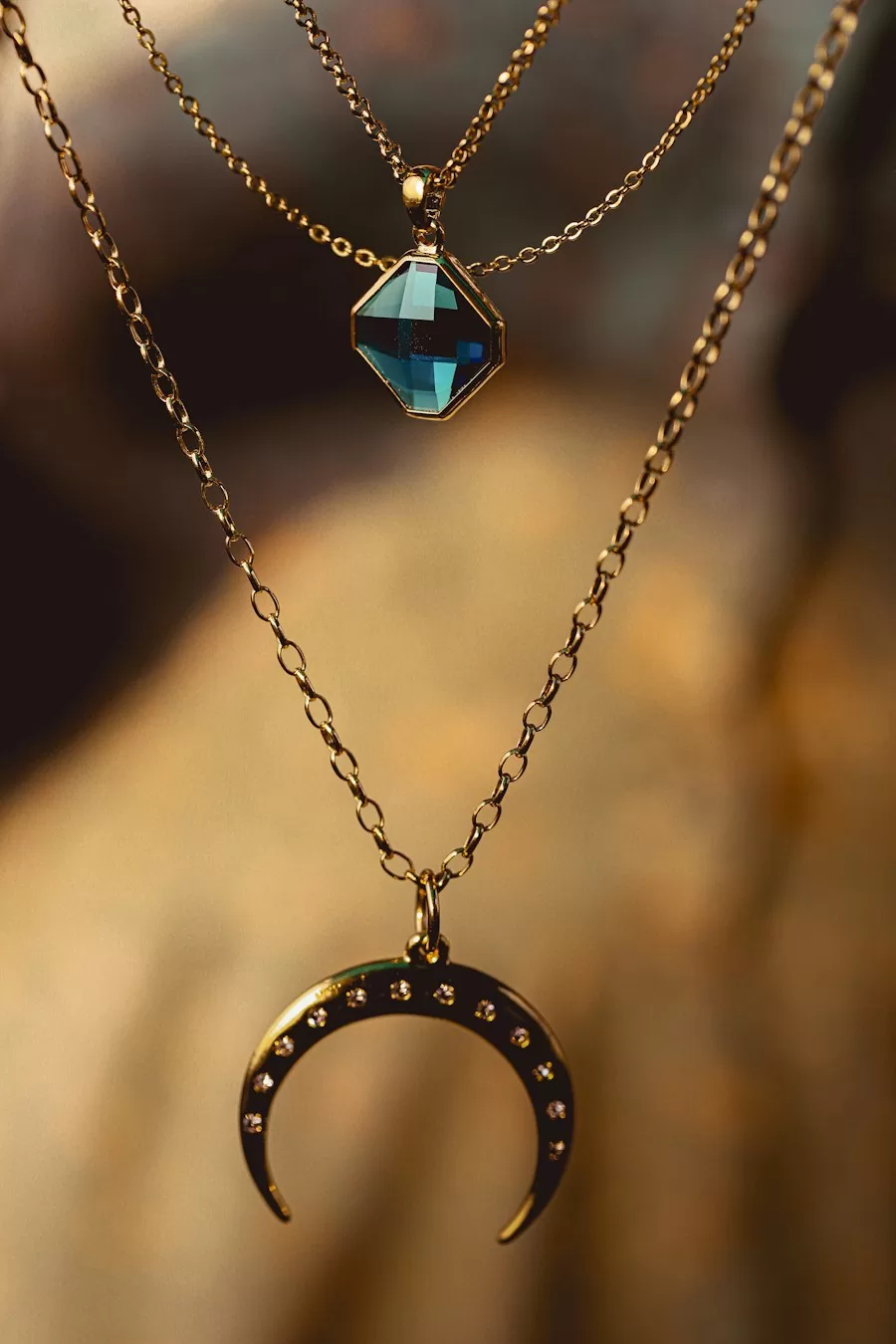
Engraving & Personalisation — the notes below follow the order we actually quote, sample and ship these pieces.
The morning-of suite is where wedding-day gifts land. The bride sits in a robe, half-made-up, while her bridesmaids circulate with coffee. A name necklace handed over in that window photographs, films and becomes a detail in the album. It also keeps being worn after the honeymoon, which separates it from the custom-printed robe that gets worn once.
Who gives it, and when
The groom gives it most often, slipped to the maid of honor the night before. Parents give it as a "something new." Bridesmaids chip in for a shared piece. Increasingly, the bride orders it herself—which is fine, but she should hand the box to someone else so the reveal still happens. Order six weeks out; engraving and shipping compress badly the week before a wedding.
The name question
The first decision is which name. The old defaults were her first name or her maiden name. The modern choice is her new married name—either the new last name alone, or a combined name—because the necklace becomes the first piece of jewelry she owns under the new name. A quieter option is the wedding date in place of a name. A more personal option is the names of future children, left blank on day one and filled in later. For a second marriage, her own first name is the warmest choice.
Chain length follows the dress neckline
This is the detail that gets wrong most often.
- Strapless, sweetheart, off-the-shoulder. A 14 to 16 inch chain sits at the base of the neck and frames the collarbone. The pendant lands in the hollow of the throat.
- V-neck, deep plunge, slit gown. An 18 to 20 inch chain follows the V down the sternum. A pendant that sits too high on a V-neck looks like a mistake.
- High neck, bateau, mock neck. Skip the necklace. Move the gift to earrings, a bracelet or a hair pin.
- Backless. A lariat or back-drop necklace with a pendant that falls down the spine is the version designed for the dress.
Ask the bride (or her maid of honor) for a photo of the dress before ordering. Match the chain to the neckline, not to a guess.
Font that photographs
Thin script fonts look romantic in person but disappear on camera—the strokes vanish against skin and lace. Block serif and italic script both read on film; what matters is stroke weight. Ask for a proof at minimum 1.2 mm stroke thickness. The pendant itself should be at least 20 mm wide on the longest letter, so it shows up in medium shots. Micro-lettering—anything under 8 mm tall—is a private detail, not a camera detail.
Metal against the gown
Sterling silver reads cool. Ivory and warm-white gowns have a cream cast; cool silver can clash. A rhodium flash on the silver brightens it and reduces the yellowish cast that cheap silver takes on, which is enough to make the piece sit right against warm lace. Avoid gold-toned alternatives unless the jewelry set is already gold—mixing metals on a wedding day is a deliberate choice, not an accident.
Post-wear
The necklace will not live in a jewelry box. She will wear it to anniversaries, to work Fridays and to the rehearsal dinner of a friend's wedding. That means the chain should be comfortable enough for an 18-hour day, not just a six-hour ceremony. A 1 mm cable chain with a spring ring is light; a thick curb chain is not.
The rehearsal dinner layer
The rehearsal dinner is a separate dress code, usually a slip dress or a jumpsuit. The wedding-day necklace may be too long or too formal for the dinner. The thoughtful groom orders a second, shorter chain—14 inches—so the same pendant can be worn as a choker the night before and at 18 inches on the day. The pendant stays the same; the chain swaps. Doubling the chain cost is cheap insurance against the pendant being unworn at either event.
Post-wear care
Wedding days mean hairspray, tanning spray, champagne and tears. The pendant comes home with a film that accelerates tarnish if it sits in the box. The morning after the wedding, wipe the piece with a soft cloth and lay it out flat for an hour before putting it away. A wedding-day name necklace worn every day needs a professional polish once a year; stored in a jewelry box it needs one every three years.
What to ask the supplier
- Can you rush production for a fixed wedding date, and what is the latest safe order day?
- Does the price include a gift box and a blank card for the groom's handwriting?
- Can you supply a second, shorter chain—14 inches—for the rehearsal dinner?
- Can you send a digital proof of the name in the chosen font before cutting?
A bride's name necklace works when the chain matches the neckline, the font survives camera and the reveal happens in the morning light of the suite. Order early, proof carefully, and hand the box to someone who will actually deliver it. Browse the range in our name necklaces for font previews and chain lengths.
Authoritative References
For buyers who need to verify the technical and regulatory basis of this guide, the following independent institutions publish authoritative reference data:
- ISO 9001 Quality Management - the international standard for consistent production quality.
- Wikipedia: Jewelry - manufacturing processes, materials and global trade background.
Frequently Asked Questions
Which chain lengths should I stock first?
16 to 18 inch covers most necklines and gift purchases. Add 20 inch for layering sets and 24 inch for pendant lines.
Are your chains nickel-free and hypoallergenic?
Yes. Sterling silver is 92.5% silver; stainless lines use 316L. Both are nickel-safe for reactive customers when plated correctly.
Can necklaces be personalized?
Laser engraving on pendants and clasps is available from 50 pieces, with 3–5 day turnaround on the engraving step.
What is the bulk lead time?
15–20 days under 500 pieces; 25–30 days for custom pendants or new molds.
Every figure here is quoted from our own bench in Wuzhou.
Send a spec sheet