Styling a Minimalist Silver Pendant: Layering Without Clutter
Styling & Trends — the notes below follow the order we actually quote, sample and ship these pieces.
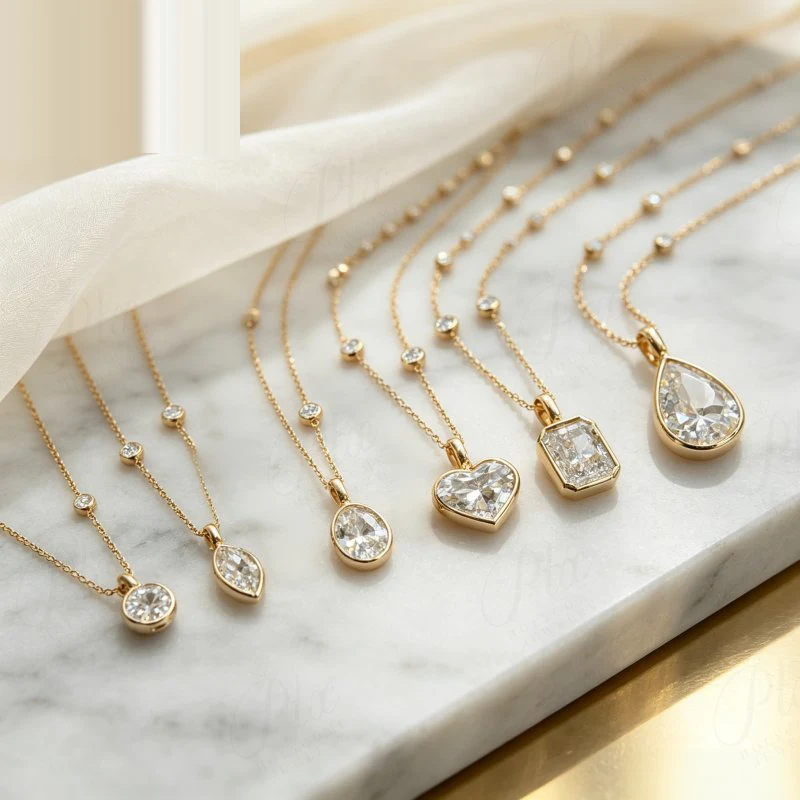
The minimalist silver pendant is the opposite of a statement piece. It is small, quiet, and meant to be worn every day for years. Styling it is not about making it pop; it is about letting it sit cleanly against the skin and clothing without competing for attention. The rules are quieter than buyers expect.
The solo pendant
Most minimalist pendants look best on their own. A single 10-millimeter disc, a thin bar, or a small initial at 18 inches on a 1-millimeter cable chain reads as an everyday layer under shirts, sweaters, and jackets. It does not need another necklace next to it. Over-layering is the most common styling mistake with minimal pieces; two chains at the same length tangle, and three chains read busy where one reads clean.
When to layer, and how
Layering works when the lengths are visibly different. The standard three-layer formula is 14, 16, and 18 inches. The shortest sits high on the neck, the middle at the collarbone, the lowest on the upper chest. The pendants should also differ in size: a tiny choker charm, a small disc, a slightly longer bar. Same-length, same-size chains stacked together look accidental rather than intentional.
For a minimalist wardrobe, stick to two layers, not three. One fine chain at 16 inches with a small charm, plus a longer 20-inch chain with a bar or pendant, reads deliberate. Three layers suits a more bohemian wardrobe; it fights a tailored shirt.
Neckline matching
The pendant length has to answer to the neckline of the top.
- Crew neck: a pendant at 18 to 20 inches sits just below the neckline and is visible against the fabric. A choker at 14 inches disappears under the collar.
- V neck: a pendant at 16 to 18 inches follows the V and sits cleanly at the point. A longer chain cuts across the diagonal and looks off.
- Off-shoulder or strapless: a shorter 14 to 16 inch chain highlights the collarbone. This is where a small pendant finally reads as intentional rather than invisible.
- Turtleneck: a longer 22-inch chain over the fabric is the only option. Pendants under a turtleneck do not show.
Metal tone mixing
Sterling silver is neutral enough to wear next to a gold watch or a gold ring. The old rule that you must pick one metal has loosened. A silver pendant against a gold wedding band reads modern, not mismatched. The one exception: if the rest of the jewelry is yellow gold, a large silver pendant can read cold against warm skin tones. A small pendant is fine; a 25-millimeter disc is not.
Finish matters under light
Polished silver catches light and reads slightly dressier. Brushed or matte silver reads quieter and hides scratches better. For a true everyday piece that is not taken off, brushed silver ages better; polished silver picks up fine surface marks from desks and phone screens.
Hammered finishes sit between the two. They catch light irregularly and read hand-made, which suits a pendant that has a personal engraving on it.
When to take it off
Sterling silver tolerates showering and exercise better than plated jewelry, but soap and sweat speed tarnish. A minimalist pendant that is never taken off will develop a soft patina within a year. Some wearers love that; others prefer to polish it back. Decide which you are before buying a polished piece. Brushed silver hides the difference between fresh and aged.
Office and weekend versatility
A minimalist pendant earns its keep when it crosses from a workday to an evening without being changed. The test is whether the same pendant reads as appropriate with a cotton shirt at 9 a.m. and with a silk blouse at 7 p.m. Polished silver does this better than hammered or oxidized finishes, which read more casual. A small birthstone or a thin bar passes both dress codes; a large geometric pendant does not.
For someone who alternates between formal and casual wardrobes, a 16-inch chain is more versatile than an 18-inch one. It reads slightly dressier on its own, and it tucks under a collar without disappearing. The 18-inch chain is the better everyday default; the 16-inch is the better wardrobe-spanning choice. Under a blazer or a knit layer, the pendant should sit just above the neckline of the inner top, not underneath it.
Choosing the pendant
The minimalist pendant should be small enough that you forget it is there, but personal enough that you reach for it. A disc with initials on the back, a bar with a date, or a single birthstone set in a thin bezel all work. Skip pendants that dangle, swing, or clink; those read evening, not everyday.
See the range in our sterling silver pendant collection for sizes, chain weights, and finishes. When in doubt, order the smaller size; a pendant that reads slightly shy looks deliberate, while one that reads slightly loud looks like a mistake.
Authoritative References
For buyers who need to verify the technical and regulatory basis of this guide, the following independent institutions publish authoritative reference data:
- Wikipedia: Sterling Silver - the 92.5% silver alloy standard and hallmarking conventions.
- ISO 9001 Quality Management - the international standard for consistent production quality.
Frequently Asked Questions
What ring sizes can you supply in bulk?
US sizes 5–12 including half sizes. Send a size breakdown with your order and we cast to that curve; comfort-fit inner bands reduce resize requests.
Can I order a mixed size run instead of one size?
Yes. Mixed runs are standard for wholesale: specify quantity per size and we pack and label by size at no extra labor cost.
What is the MOQ for custom ring designs?
50 pieces per design for existing molds; 100–300 pieces when a new mold or CAD model is required.
How should I price rings for retail margin?
Most partners use a 3–4x markup on FOB cost for sterling and 2.5–3x for moissanite solos, which keeps landed cost under 30% of retail.
Every figure here is quoted from our own bench in Wuzhou.
Send a spec sheet