Matching Pendants Instead of Rings: Couple Jewelry Beyond the Wedding Band
Gifting & Occasions — the notes below follow the order we actually quote, sample and ship these pieces.
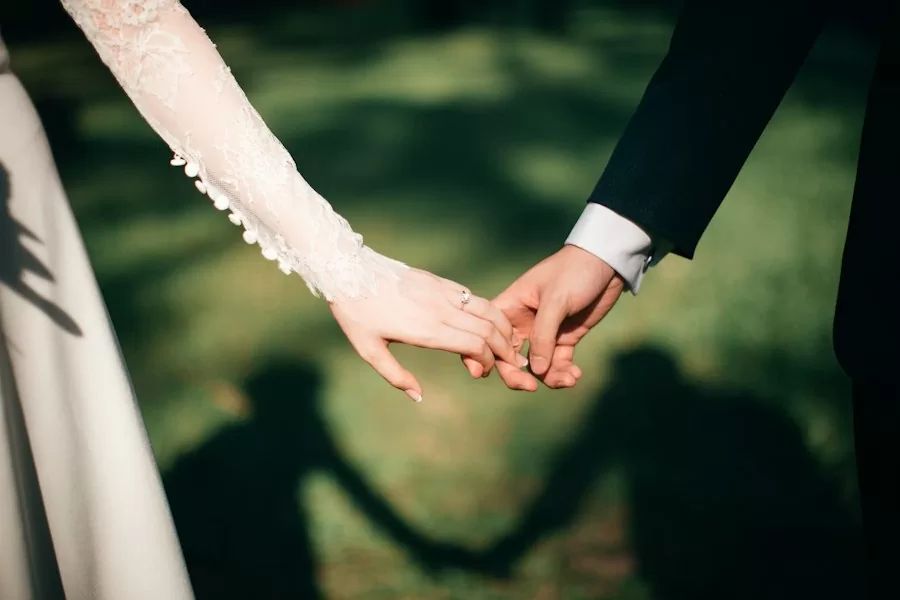
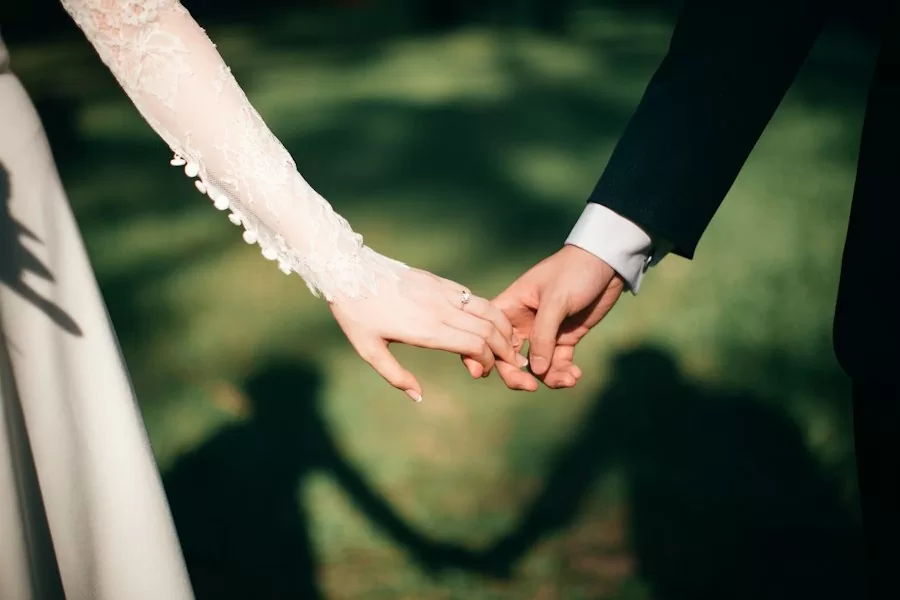
Couple jewelry defaults to two things: matching rings, or matching bracelets. Both are fine, and both are public. A growing number of couples, especially ones in conservative workplaces or second careers, are choosing a third option: two matching 925 sterling silver pendants, worn on chains that sit under the collar. Strangers do not notice. The two people wearing them know.
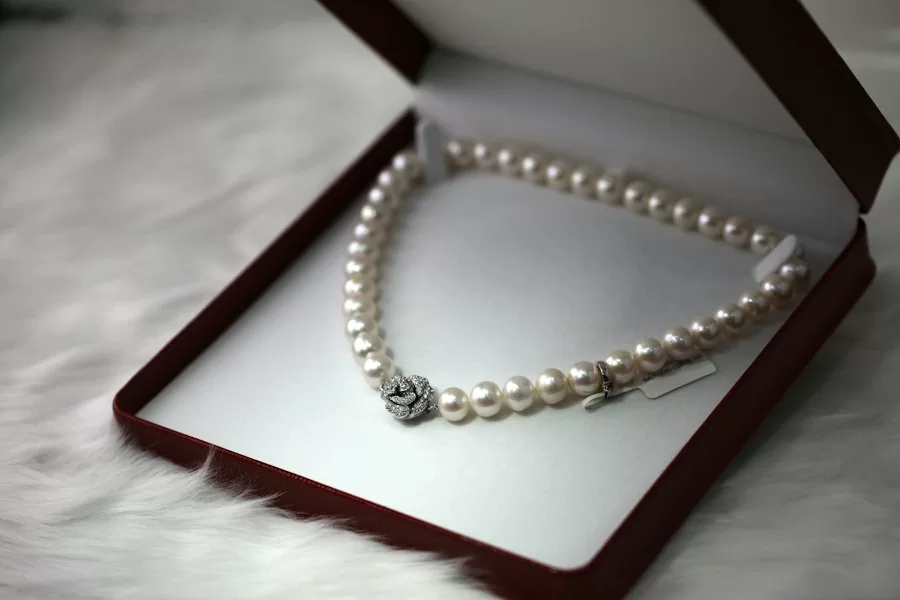
Why pendants instead of rings
Rings are the default commitment jewelry because they are visible on the hand, which is also why they can be a liability in certain jobs — chefs, surgeons, mechanics, people who work with their hands. Pendants under a shirt collar do not interfere with work. They also do not need resizing, they do not catch on gloves, and they do not announce themselves at a first meeting. For couples who want a daily marker without a public declaration, pendants are the quiet answer.
What "matching" actually means
True matching pendants are two of the same design, often in two slightly different scales. Common pairings: a slim bar engraved on each side with the partner's first initial; a small circle with the wedding date; a flat disk with a coordinate pair split between the two pieces. The pendants do not need to split or interlock. Two identical, small, well-made silver pendants on staggered chains read as a set without performing as one.
The chains should be staggered by length: 18" on one, 20" on the other, so the pendants do not collide when the two people stand side by side. The gauge should match, usually 1 mm to 1.2 mm box chain. Mixing gauges breaks the pair read.
Engraving choices
On a small bar pendant, engrave the partner's first name on the front (one name per bar, not both), and the wedding date on the back. On a circle pendant, engrave the coordinate pair of the meeting place on the front, in small digits. Avoid engraving both partners' names on both pendants; it crowds the surface and makes the piece read as a gift tag rather than jewelry.
Longevity in 925 sterling silver
Sterling silver pendants worn daily against skin hold up well, but they do tarnish at slightly different rates depending on the wearer's skin chemistry. One of the two pendants will usually darken a little faster than the other. This is normal. A monthly wipe with a polishing cloth keeps them visually matched. If one pendant starts to patina and the other stays bright, it is not a quality issue; it is a chemistry issue.
Gifting as a couple
Matching pendants are a strong first-anniversary gift (traditionally paper, modernly anything), a going-away gift before a deployment or relocation, or a renewal-of-vows piece that is not a new ring. They are less effective as a surprise, because the two people need to agree on the chain length, the engraving, and the meaning. Order them together, or order one and show the design before ordering the second.
Where pendants outlast rings
Rings go through resize events, finger swelling, weight changes, and the occasional lost-in-the-kitchen moment. Pendants do not. A pendant on a chain stays the same size for thirty years, and if the chain breaks, the pendant itself survives. That durability is a real advantage for a couple piece that is meant to mark a long commitment rather than a moment. Many couples who started with matching rings and later added matching pendants find that the pendants outlive the rings as daily wear.
Matching without being identical
Some couples prefer pendants that relate but do not match exactly: a small bar on one side, a small circle on the other, both engraved with the same date. The relationship reads in the shared engraving rather than in the shape. This is a softer version of the look, and it works well when one partner prefers dainty and the other prefers slightly bolder. The chain gauge still matches; the pendant shape does not have to.
How this reads in public
A pair of matching pendants under collars reads as a quiet signal. Strangers see two people who both wear small silver on chains, but they do not register the match unless the pendants are side by side in a photo. That privacy is the point. It also means the couple can wear the pieces to work, to family events, and to occasions where a ring would read as too much. For couples who want a commitment marker without a public declaration, this is the closest thing that actually works in daily life.
Ordering as a pair
When you order two pendants as a pair, ask the studio to set them with matching chains from the same production run. Chains from the same run match in color and tone; chains from different runs can vary, especially in sterling silver, where the polishing step can leave one chain slightly brighter than the other. The cost difference is negligible, and the visual difference over years of wear is real. Pair the order with a small card that explains the shared engraving, so the second recipient understands the design on the day they open it.
See our subtle everyday couple jewelry guide and his-and-hers pendant reference.
Authoritative References
For buyers who need to verify the technical and regulatory basis of this guide, the following independent institutions publish authoritative reference data:
- ISO 9001 Quality Management - the international standard for consistent production quality.
- Wikipedia: Jewelry - manufacturing processes, materials and global trade background.
Frequently Asked Questions
What ring sizes can you supply in bulk?
US sizes 5–12 including half sizes. Send a size breakdown with your order and we cast to that curve; comfort-fit inner bands reduce resize requests.
Can I order a mixed size run instead of one size?
Yes. Mixed runs are standard for wholesale: specify quantity per size and we pack and label by size at no extra labor cost.
What is the MOQ for custom ring designs?
50 pieces per design for existing molds; 100–300 pieces when a new mold or CAD model is required.
How should I price rings for retail margin?
Most partners use a 3–4x markup on FOB cost for sterling and 2.5–3x for moissanite solos, which keeps landed cost under 30% of retail.
Every figure here is quoted from our own bench in Wuzhou.
Send a spec sheet