Gold Plated vs Solid Silver: What to Expect
Metals & Plating — the notes below follow the order we actually quote, sample and ship these pieces.
Gold-toned silver jewelry offers the warm look of gold at the price of silver. But buyers are often unsure what they are really getting. Gold plated sterling silver is not solid gold, and it is not just silver painted gold. It is a real silver piece with a thin layer of gold over the top. Understanding how that layer behaves helps you choose the right piece and care for it realistically. This guide explains what gold plating is, how long it lasts, and when to choose it over plain silver.
What Gold Plated Sterling Silver Actually Is
The base is 925 sterling silver. A thin layer of gold is bonded over the surface. The silver gives the piece structure and value; the gold gives the color. This is different from gold-filled, which has a thicker gold layer, and from solid gold, which is gold all the way through. Gold plated silver is an affordable way to enjoy a gold look. Because the layer is thin, it wears over time, which is the key expectation to set. We explain the base metal in the care and materials guides.
How Long the Gold Layer Lasts
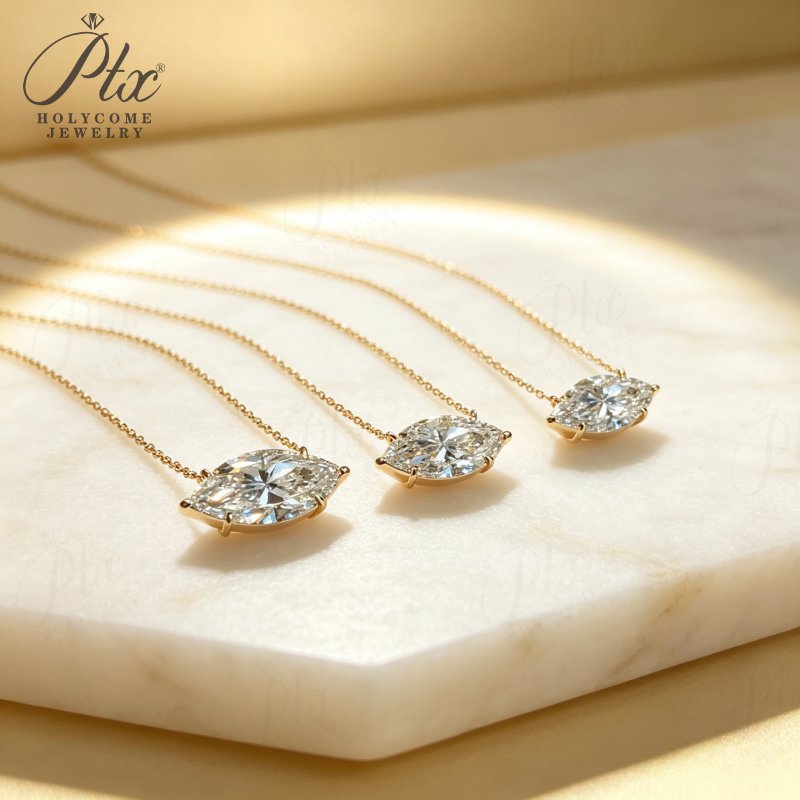
With reasonable care, gold plating on a necklace lasts one to three years. Pendants wear slower than chains, which rub against clothing. Rings wear the fastest because they are handled constantly. The plating wears first at points of friction: the chain edges, the bail, and anywhere the piece touches skin or fabric. When it wears through, the silver shows beneath, usually as a cooler patch. This is normal, not a defect. We cover plating wear in the materials guides.
What Wears Plating Down Fastest
- Perfume and lotion: chemicals break down the gold layer quickly.
- Sweat and water: showering and swimming speed wear.
- Friction: chains rubbing against necks and clothing wear fastest.
- Rough storage: jumbled pieces scratch the plating away.
A few habits double plating life. Put jewelry on after perfume and lotion. Take it off before showering and exercising. Store it dry and separated. These small steps keep the gold tone bright far longer.
When to Choose Gold Plated vs Plain Silver
Choose gold plated if you love the warm gold look, want an affordable piece, and are happy to care for it. Choose plain silver if you prefer low-maintenance wear or cool tones. Gold plating is a finish, not a forever coat. If you never want to think about replating, plain silver ages gracefully on its own. Many customers own both: gold plated pieces for dressed-up days, plain silver for everyday wear. See examples in the gold plated range.
Can You Re-Plate?
Yes. When the gold wears through, a jeweler can re-plate the piece, restoring the warm tone. This is affordable and extends the life of the necklace. For a favorite piece, re-plating is cheaper than replacing it. Expect to re-plate a worn everyday chain every year or two, and an occasional piece less often. Knowing this option exists takes the worry out of buying gold plated.
Frequently Asked Questions
Is gold plated silver real gold?
The top layer is real gold, but very thin. The piece is mostly sterling silver.
Will gold plated silver turn my skin green?
It rarely does while the plating lasts. Once the silver shows through, normal silver wear applies.
Can I shower with gold plated silver?
Avoid it. Soap and steam wear the plating faster.
Gold plated silver is a warm, affordable look with a timed finish. Protect it from chemicals, store it dry, and re-plate when it wears. Then the gold tone lasts for years. Explore the jewelry guides for more.
Gold Filled vs Gold Plated
You may see "gold filled" as well as gold plated. Gold filled has a much thicker gold layer bonded to the base, so it lasts far longer than plated. It is also more expensive. Gold plated has a thin layer, affordable but shorter-lived. For most buyers choosing affordable gold-toned silver, plated is the realistic option, with the understanding that it wears. If you want gold that lasts years without replating, gold filled is worth the higher price. We compare materials in the care and materials guide.
How to Tell Plating Is Wearing
When plating wears, you see cooler silver beneath, usually first on the chain edges and bail. The piece may look patchy near the clasp. This is normal wear, not damage. At that point you keep wearing it as mixed metal, or re-plate. Do not try to polish the patch away; the silver underneath is simply showing. Knowing this sets expectations: a gold plated piece is not meant to look new forever, but it is meant to look good for years.
Caring for the Gold Tone
To keep plating bright, store the piece in a dry pouch, not a damp bathroom drawer. Wipe it after wearing to remove skin oils. Keep it away from perfume and lotion. These habits double the time before replating. A well-cared-for gold plated necklace stays warm and bright for years, and a neglected one fades within months. The difference is almost entirely care. See the range in the gold plated collection.
Frequently Asked Questions
Is gold plated silver worth buying?
Yes, for an affordable gold look, as long as you expect the plating to wear and can replate.
Will plating peel?
Good plating wears gradually, not peels. Peeling signals poor quality.
Know the layer, protect it from chemicals, and replate when it shows. Gold plated silver is a warm, affordable look that rewards simple care. More in the jewelry guides.
Deciding Which Finish to Buy
Ask yourself how you want to wear the piece. If you love warm gold tones and want an affordable look, gold plated silver is perfect. If you prefer cool silver and low maintenance, choose solid unplated silver. Many people own both, switching by outfit and season. There is no wrong answer, only the right expectation. Gold plated is a finish to maintain; solid silver is a finish to enjoy naturally. Whichever you choose, care for it according to its type. Compare finishes in the materials guide and the gold plated range.
Related Articles
Authoritative References
For buyers who need to verify the technical and regulatory basis of this guide, the following independent institutions publish authoritative reference data:
- Wikipedia: Sterling Silver - the 92.5% silver alloy standard and hallmarking conventions.
- ISO 9001 Quality Management - the international standard for consistent production quality.
Every figure here is quoted from our own bench in Wuzhou.
Send a spec sheet