Choosing a Sterling Silver Pendant You Can Actually Wear Every Day
Metals & Plating — the notes below follow the order we actually quote, sample and ship these pieces.
Everyday pendants are a specific category, not just any small pendant that happens to be on a short chain. The piece a customer plans to wear on repeat has to survive showers, sweater cuffs, laptop edges, and a gym bag tossed on the floor. Most pendants in a retail case are designed for the photograph, not for that life. Choosing the ones that do survive is a matter of a few quiet specifications.
The back plate matters more than the front
A pendant that looks beautiful from the front can be un-wearable from the back. Sharp cast edges, exposed setting prongs, and a flat disc that tilts on the chest all become problems by day two. Before recommending an everyday piece, flip it over. The back should be smooth, rounded, and comfortable against the skin. A pendant that scratches the collarbone is a pendant that ends up in a jewelry tray. Flip it before you buy it, every single time. It takes ten seconds.
Skip the prong setting
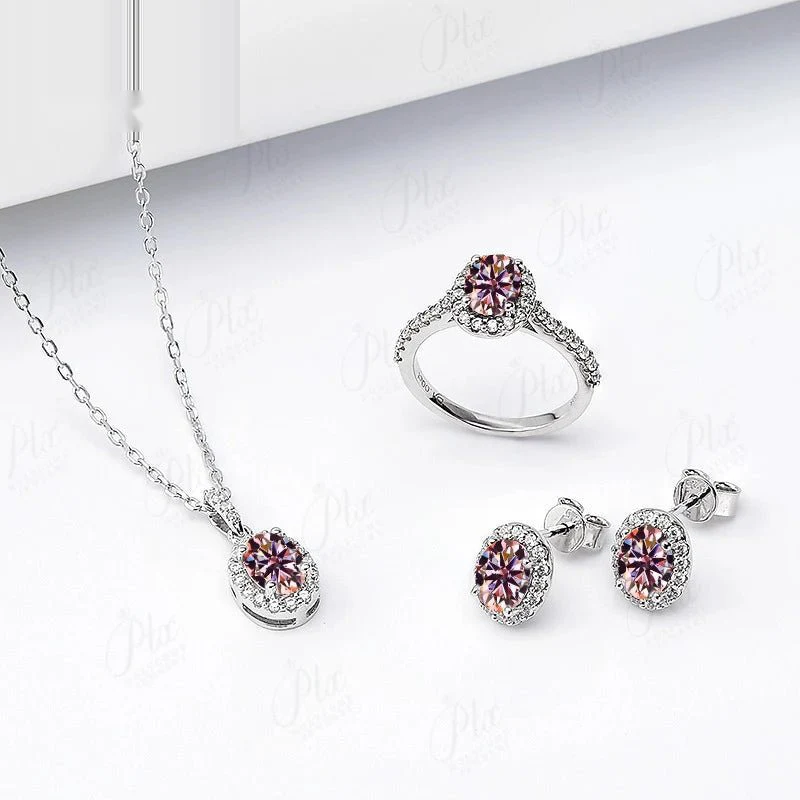
Prong-set stones catch on knitwear, linens, and hair. Bezels, flush settings, and engraved surfaces sit flat and travel better. For everyday wear, an engraved disc, a shaped silver charm, or a bezel-set stone beats a prong-set gemstone almost every time. The prong setting has its place for evening pieces that go on and come off the same day; it is the wrong tool for something that lives on the neck.
Chain gauge for daily life
A 0.8 mm chain breaks if it catches on a desk drawer. For an everyday pendant, spec a chain of at least 1.2 mm, preferably in cable or Figaro, which wear flat and tangle less than snake or box chains. Add a half-inch extender so the wearer can adjust between a crew-neck and a collared shirt without swapping the chain. Lobster clasp over spring ring; the clasp is the part that fails first on a daily necklace.
Shapes that travel
Everyday-friendly pendants share a few shapes: a flat disc between 15 and 20 mm, a narrow bar, a small initial in a rounded font, and a slim tag. Shapes that look striking on a bust but fail daily: anything with long dangling elements, anything with a large open cutout that catches on things, anything asymmetrical that flips around the chain. A pendant that twists to show its back all day is a pendant the wearer will not stop adjusting.
Chain length that works across necklines
For a single everyday pendant, 18 inches is the default and the right answer for most wearers. It sits at the base of the neck and lands on the collarbone, which means it works over a t-shirt, under a collared shirt, and above a crew-neck sweater. Shorter chains (16 inches) read as chokers and fight with higher necklines. Longer chains (20 inches) drift toward the sternum and work best on smaller pendants. If the customer is unsure, 18 inches with a two-inch extender is the combination that covers the most wardrobe without forcing a second purchase.
Tarnish, and why it is not the enemy
Sterling silver (ISO 925 sterling silver standard) tarnishes. Buyers who want a piece that stays bright for years should know that a rhodium dip slows tarnish noticeably, and that a polishing cloth kept in the jewelry tray handles the rest. What they should not do is buy a piece and expect it to stay perfect with zero maintenance. A thin cloth wipe once a week is part of the deal. Retailers who mention this up front see far fewer "it turned" complaints six months later.
Weight and balance
For an everyday piece, a pendant that is too heavy for its chain will drag the chain and flip. A pendant that is too light will float and spin. The sweet spot for an everyday piece is a pendant that holds its own on the chest without pulling the chain. When sourcing, ask the manufacturer for the pendant weight and compare it against the chain gauge; a 5 gram pendant on a 1.2 mm chain is a balanced combination, while a 10 gram pendant on the same chain is a problem.
Building a customer's daily necklace
The best everyday pendant is the one that goes with everything. A small smooth disc, a single rounded initial, or a slim engraved tag pairs with a t-shirt and a blouse equally. Help customers choose the one that does not fight their existing wardrobe, and they will wear it long enough to buy a second layer later. That second layer is where the relationship with the customer deepens: once they trust that the first pendant survived the week, they are open to adding a second, then a third. Our silver pendants line is sorted by shape and weight so you can match the piece to the customer's actual daily routine.
Frequently Asked Questions
Which chain lengths should I stock first?
16 to 18 inch covers most necklines and gift purchases. Add 20 inch for layering sets and 24 inch for pendant lines.
Are your chains nickel-free and hypoallergenic?
Yes. Sterling silver is 92.5% silver; stainless lines use 316L. Both are nickel-safe for reactive customers when plated correctly.
Can necklaces be personalized?
Laser engraving on pendants and clasps is available from 50 pieces, with 3–5 day turnaround on the engraving step.
What is the bulk lead time?
15–20 days under 500 pieces; 25–30 days for custom pendants or new molds.
Every figure here is quoted from our own bench in Wuzhou.
Send a spec sheet

