Couple Jewelry Wholesale Price List: price negotiation levers

Styling & Trends — the notes below follow the order we actually quote, sample and ship these pieces.
Understanding Your Couple Jewelry Wholesale Price List
When you’re looking to fill a boutique’s couple collection, the first thing you’ll encounter is the price list. It isn’t just numbers; it’s a snapshot of cost, quality, and the levers you can use to negotiate. Each pair—rings, necklaces, bracelets—comes with a base cost that reflects the raw material, setting complexity, and certification. Our MOQ for stock items is only one piece, which gives you flexibility when testing market response. For custom designs, the MOQ rises to 30 pieces, allowing you to keep unit prices low while still maintaining exclusivity.
What makes our list stand out is the transparency of our three‑stage quality control. From the incoming stone check to the pre‑ship AQL, we audit every step so the numbers you see are the prices you pay. That consistency lets you negotiate based on real data rather than guesswork. If you need a quick turnaround, our 12‑18 day production window keeps lead times predictable, which is a valuable bargaining chip when you’re working with tight retail schedules.
Leverage the Certification Advantage
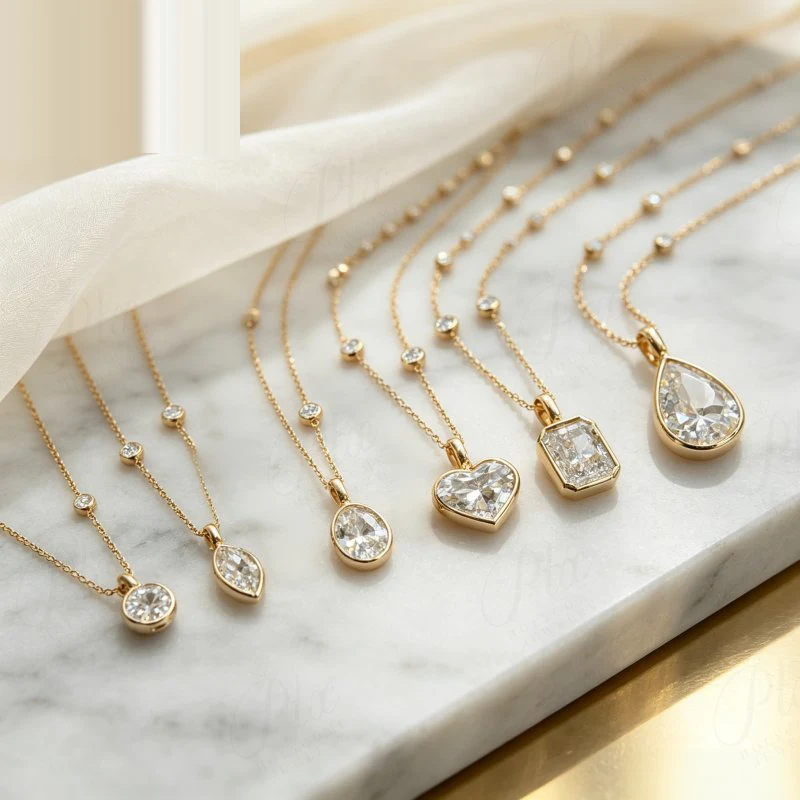
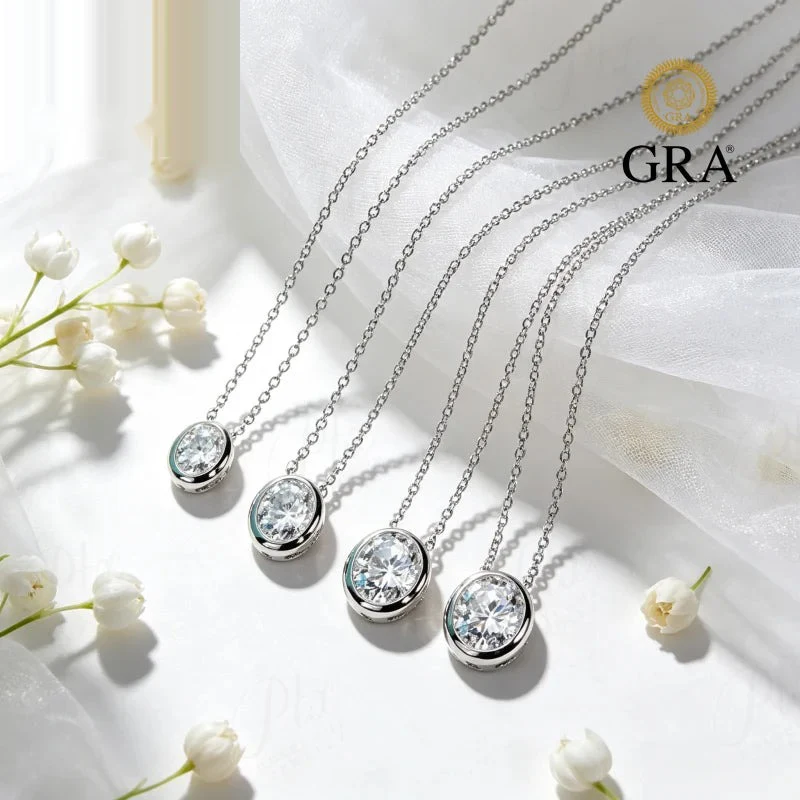
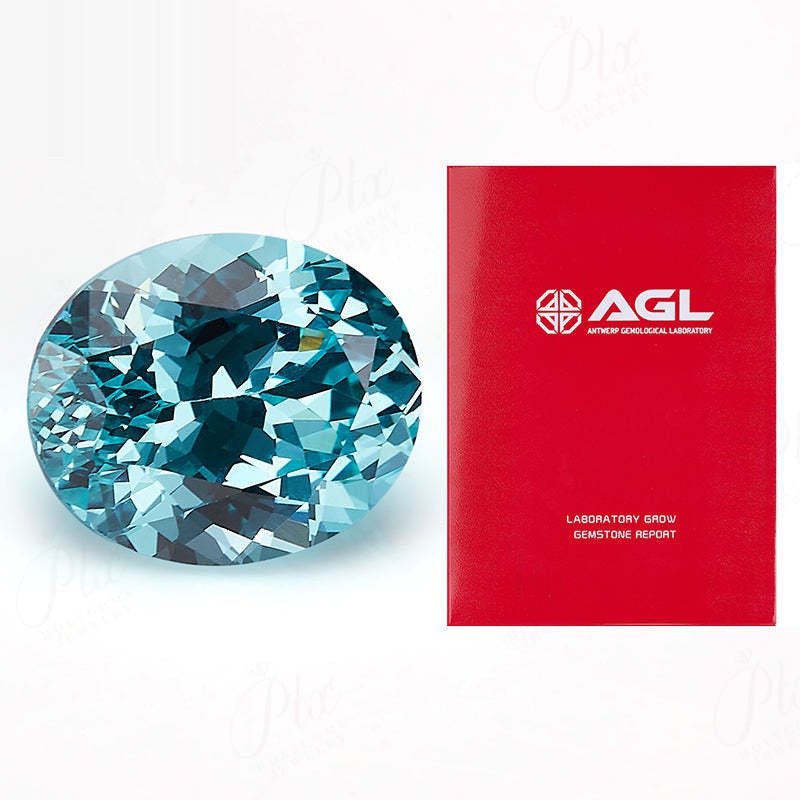
Couple pieces often feature lab‑grown diamonds or moissanite set in 925 silver. We can attach GRA or IGI certificates for each stone, which adds credibility and instantly boosts perceived value. When you bring a certified piece to a buyer, you can justify a higher mark‑up than a non‑certified competitor. This certification also protects you during quality disputes, giving you a stronger position in negotiations over return policies or adjustments.
Use the certificate as part of a bundled offer. By presenting a set of two matching rings and a matching necklace, all certified, you can argue that the combined cost per item dips while the customer sees a cohesive, premium aesthetic. This bundling tactic often leads to higher average order values and smoother price negotiations, especially in the US and EU markets where consumers trust third‑party verification.
Price Flexibility Through MOQ and Batch Size
| Item Type | Base Unit Price (USD) | MOQ (Stock) | MOQ (Custom) |
|---|---|---|---|
| Engagement Ring Set | 75 | 1 | 30 |
| Wedding Band Pair | 60 | 1 | 30 |
| Matching Bracelets | 40 | 1 | 30 |
The table above highlights how our price scale works for standard items versus custom orders. By increasing the batch size, you get a discount that is reflected in the unit price. This is a key negotiation lever: if a buyer is hesitant, offer them a slightly higher MOQ for a better price per piece, and explain the 20% better first‑pass yield that keeps costs down for larger runs.
We also accept a 30% T/T deposit, which is a standard industry practice. If you prefer faster cash flow, we can accept PayPal for samples, and for larger orders we can arrange DDP delivery. Knowing these payment options gives you room to negotiate both price and payment terms to fit your buyer’s risk tolerance.
Speed and Quality: The 12‑18 Day Advantage
Our production window of 12‑18 days is a competitive edge. You can promise your clients quicker delivery than three‑month shipping cycles common in other trading houses. Faster turnaround also means you can respond to seasonality—think Valentine’s Day or wedding season—without having to negotiate a rush fee. This speed is a talking point that can justify a higher price point.
When talking with buyers, frame the 12‑18 day lead time as part of the value proposition. Tell them that the shorter cycle reduces inventory holding costs on their end, which can offset any slight increase in unit price. That logic aligns with retail economics: faster inventory turnover equals healthier margins.
Negotiating Payment and Delivery Terms
- 30% T/T deposit before production begins.
- PayPal accepted for sample orders.
- DDP delivery to the US within 5‑8 days.
- WhatsApp +86 133 7744 7107 for real‑time updates.
- Email support via service@holycome.com for any queries.
These options give the buyer flexibility. For instance, a buyer can choose to pay in full upfront for a larger order, which often triggers a better unit price. Alternatively, they can opt for a 30% deposit and the rest on delivery, balancing cash flow with cost savings. Make sure to underline that the cost of production remains the same regardless of payment method, so the price differential is purely a logistical benefit.
In addition, we request that buyers provide a clear product specification so we can match the right stone size and cut. This reduces the chance of rework, which would otherwise increase costs. By being precise from the start, you eliminate room for last‑minute changes that could hurt margins.
Why Our First‑Pass Yield Matters in Pricing
A 20% better first‑pass yield means we use fewer raw materials per finished piece. That efficiency translates directly into lower unit costs, and by extension, lower wholesale prices for you. When you present this data to a buyer, they’ll see that the price is already optimized, so there’s little room left for excessive mark‑ups.
Use the yield advantage as a bargaining point when negotiating on quantity. If a buyer wants a massive run, remind them that our higher yield allows us to keep costs low, so you can offer them a lower rate per piece without sacrificing quality. This transparency builds trust and often leads to repeat business.
Frequently Asked Questions
What is the minimum order quantity for custom couple jewelry?
Custom orders require a minimum of 30 pieces, ensuring we can maintain cost efficiency and consistent quality.
Every figure here is quoted from our own bench in Wuzhou.
Send a spec sheet