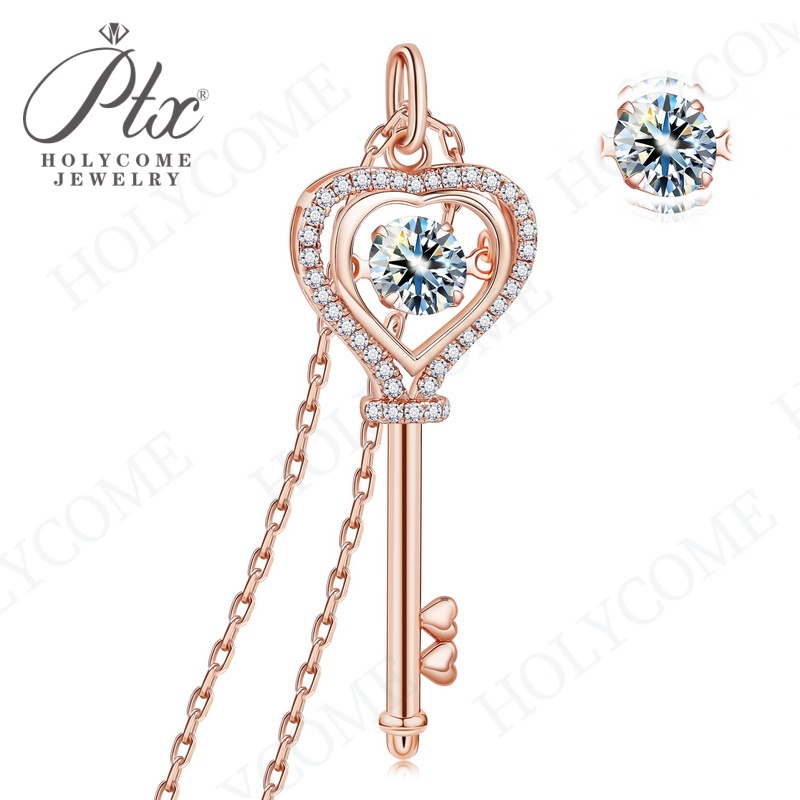
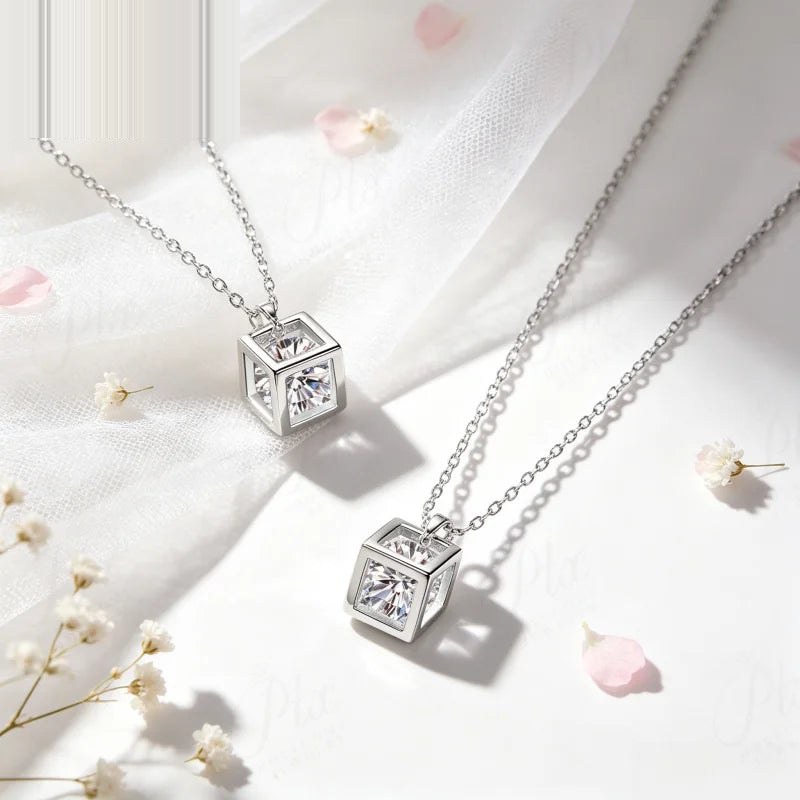
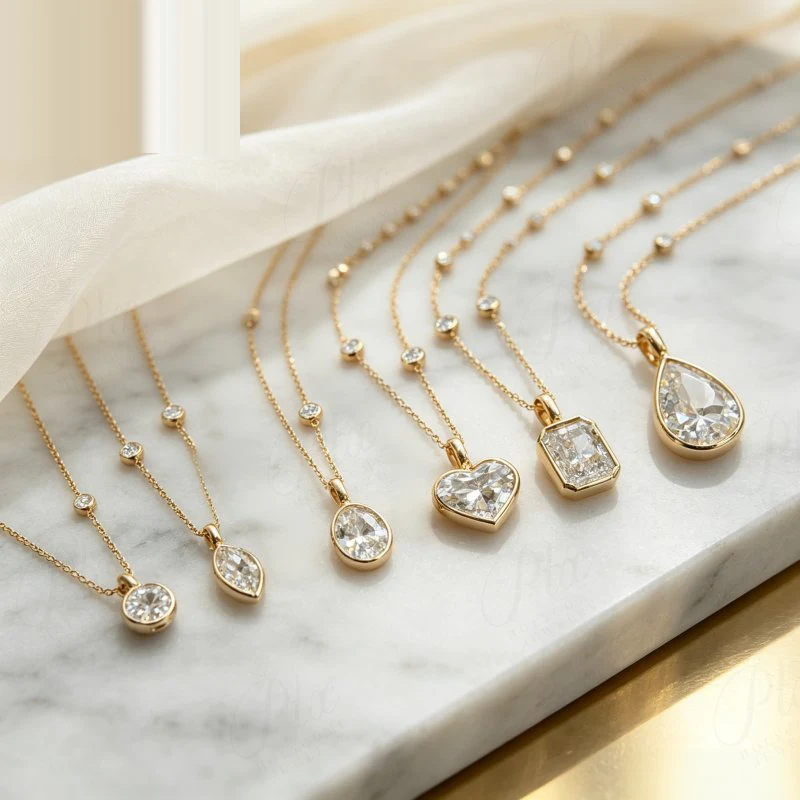
Couple Jewelry Supplier for Jewelry Stores: supplier audit red fla

Styling & Trends — the notes below follow the order we actually quote, sample and ship these pieces.
Red Flags You’ll Spot When Auditing a Couple Jewelry Supplier
When a jewelry store is sourcing couple pieces, the first thing buyers notice is the consistency of the finish. A supplier that doesn’t maintain strict QA stages often produces pieces that vary in polish or have slight misalignments in the setting. If the same pair of rings or a pendant and matching chain look different, it’s a sign that the setting line may have skipped a step or the polishing machine wasn’t calibrated. For a couple collection, that inconsistency can turn a perfectly framed story into a mismatched one.
Another red flag is the lack of traceable certification. In our 12‑year experience on the production floor, a supplier that can’t provide GRA or IGI certificates is usually cutting corners on the stone selection. Couple jewelry buyers rely on these certificates to assure investors that the stones meet industry standards. When you see a supplier’s “certificates on request” banner, it often means they purchased stones from a less reliable boutique and will not stand behind them if a dispute arises.
Production Lead Times That Signal Inefficiency
Couple collections require coordinated production: matching settings, coordinated polishing, and simultaneous shipping. A lead time of 12‑18 days is standard in a well‑run factory that owns the setting and polishing lines. If a supplier pushes 30‑45 days, it may indicate they are outsourcing key stages or that their QC process is overloaded. This delay can stall your launch schedule, especially if you’re timing a new season.
Pay attention to how the supplier reports their AQL (Acceptance Quality Limit). A typical 3‑stage QC—incoming stone check, in‑process check, pre‑ship AQL—ensures defects are caught early. If you notice a supplier only does one or two checks, they’re likely to ship more first‑pass failures, raising your handling costs. In a couple line, any post‑manufacturing issue can ripple through the entire product range.
Quality Check Table
| QC Stage | What’s Inspected | Typical Pass Rate | Red Flag Signal |
|---|---|---|---|
| Incoming Stone Check | Cut, clarity, carat, color | ≥99% | Missing or generic grading |
| In‑Process Check | Setting alignment, polish uniformity | ≥98% | Misaligned settings or uneven polish |
| Pre‑Ship AQL | Final inspection, packaging integrity | ≥97% | Frequent packaging defects or rework |
Financial Transparency and Payment Terms
When ordering couple pieces, the store must know the exact cost per unit and total mark‑up. A supplier that only provides a rough estimate is a red flag; accurate pricing comes from the first‑pass yield and material costs. Having a 30% T/T deposit is standard and protects both parties, while PayPal payment for samples keeps the initial risk low.
Notice the difference between the MOQ for stock and custom orders. A 1‑piece MOQ for stock indicates the supplier can ship individually, ideal for small boutiques. Custom orders hitting 30 pieces demand a higher commitment and often a longer lead time, but they also open the door to personalized designs and bulk pricing, which can be a competitive advantage for a store looking for a unique couple line.
Communication and Delivery Reliability
Reliable communication is a must. Our WhatsApp number +86 133 7744 7107 and email service@holycome.com are always monitored, reducing turnaround time for queries. A supplier that relies solely on email and reply delays can sabotage your inventory planning.
Delivery terms like DDP (Delivered Duty Paid) to the US and EU within 5‑8 days give you peace of mind. If a supplier can’t guarantee a specific delivery window or only offers FOB, you’ll be juggling customs and delays, which undermines the bundled couple strategy.
Competitive Edge: Yield, Speed, and Control
Owning the setting and polishing lines means our first‑pass yield runs about 20% better than most trading companies. That higher yield translates to lower cost per piece and a more consistent finish—key for couple collections where symmetry matters. Faster turnarounds also let you adjust your marketing calendar on short notice.
We combine this with a transparent audit trail: every stone is logged, every setting is scanned, and the final polish is inspected against a digital reference. If you see a supplier with no traceable data, you may be stepping into a gray market where the “quality” label is all they can offer.
Frequently Asked Questions
What is the minimum order quantity for couple jewelry?
Stock pieces start at 1 piece, while custom orders require at least 30 pieces to guarantee a competitive price and efficient production.
How long does it take to receive a sample?
Samples are shipped within 3–5 days via DDP, and you can pay with PayPal for instant processing.
What lead time can I expect for a full couple collection order?
After a 30% deposit, production takes 12–18 days with final shipping within 5–8 days to the US.
Ready to elevate your couple line with reliable quality and speed? Request a quote or sample today.
Every figure here is quoted from our own bench in Wuzhou.
Send a spec sheet