Couple Jewelry: When a Matching Necklace Beats a Ring
Gifting & Occasions — the notes below follow the order we actually quote, sample and ship these pieces.
Every retailer selling couple jewelry gets the same question: should this be a ring or a necklace? The answer usually has less to do with budget and more to do with where the couple is in their story, and how each person actually wears jewelry day to day.
Rings signal commitment; necklaces signal presence
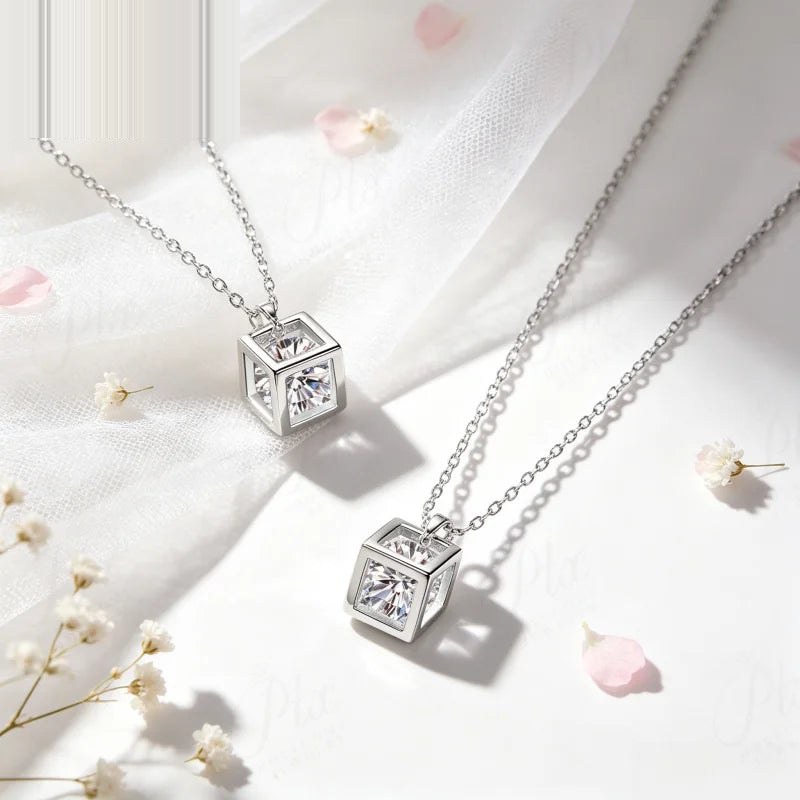
A ring is a statement. It is visible on every handshake, every phone call, every meal. It is also tied, in most buyers' minds, to promises: engagement, marriage, or a serious step. Gifting a ring too early in a relationship can pressure the moment, and gifting one too late can feel like it is playing catch-up. Necklaces carry none of that contractual weight. A matching pendant says "us" without saying "forever," which is why they work for anniversaries that are not yet marriage milestones, for long-distance pairs, and for couples who simply do not wear rings.
Who actually wears a ring daily
Before recommending a couple ring, ask what each person does for work. Hands that work with tools, dough, chemicals, or medical gloves spend most of their day without a ring on the finger. A necklace stays on through all of it. For couples in hands-on jobs, the necklace is not the romantic option — it is the practical one, and that practicality is what makes it feel romantic in six months when the ring would have sat in a tray.
Budget differences that change the decision
A matched sterling silver couple necklace pair lands well under the price of a matched ring pair, and the quality gap is smaller than buyers expect. A silver necklace pair can feel substantial and personal at a price point where a silver ring pair would feel thin. For couples buying their first "us" gift, the necklace is also lower-stakes: if the design does not land, the loss is modest, and they can upgrade to a ring later. Treat the first couple gift as a trial run, not the final statement. The ring, when it comes, should feel like a step up rather than a correction.
The split-pendant design and what it communicates
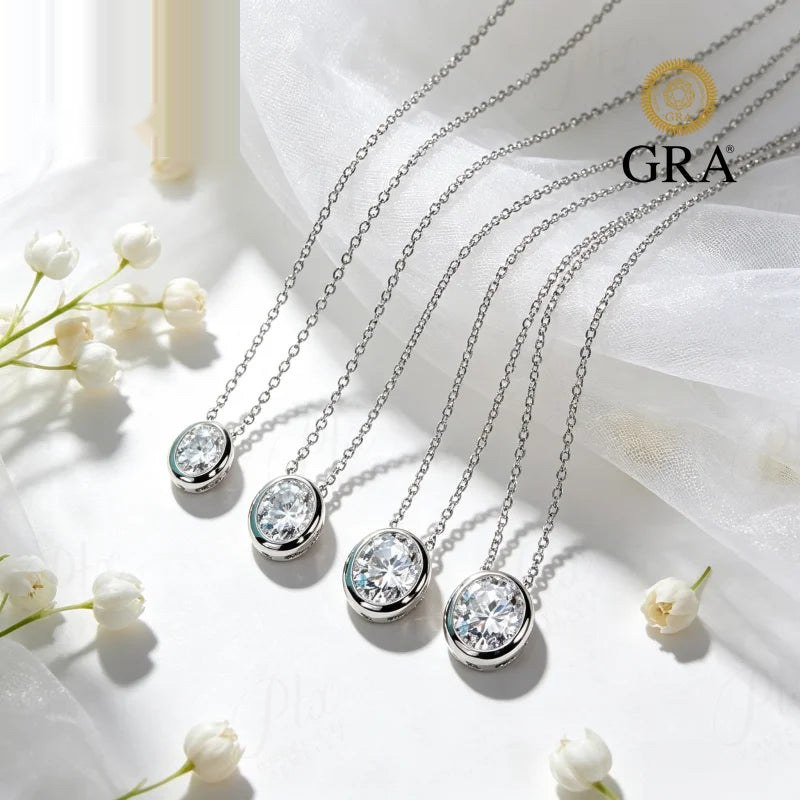
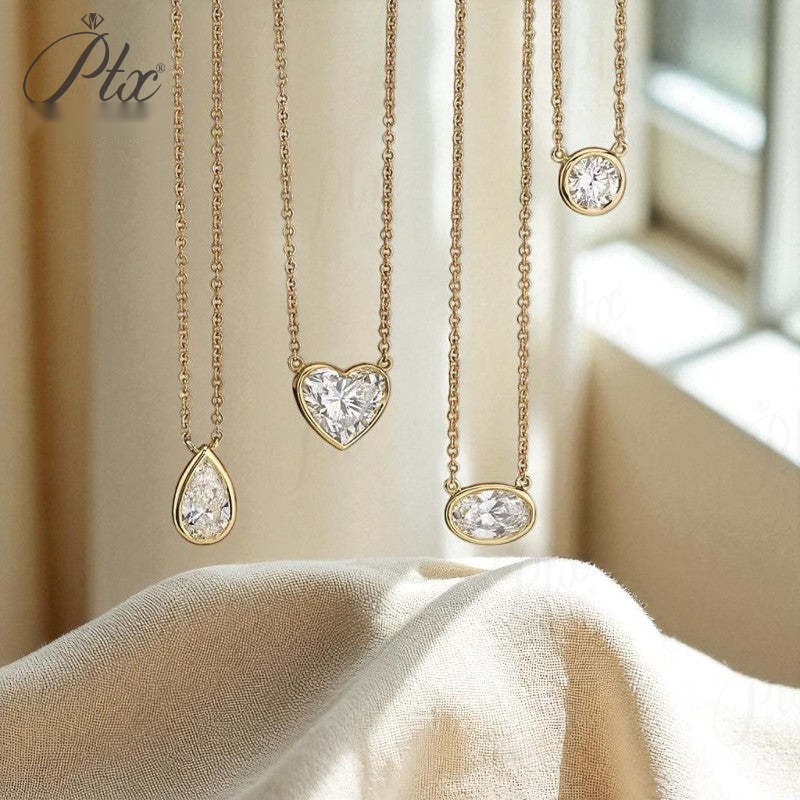
Couple necklaces usually come in two flavors: identical pendants each person wears, or a split design where one pendant completes the other, like two halves of a heart or a circle. Identical pendants read as quiet and understated. Split pendants read as theatrical and are often chosen for long-distance pairs who want the visual of "we are one thing, cut in two." Both sell, but they sell to different emotional registers. Identical pendants for established couples; split pendants for pairs in a separation phase who need the visual reminder.
Engraving that survives two people
Where rings can carry a date on the inside, necklaces usually show the engraving on a flat bar or disc that faces outward. That changes the engraving calculus. A shared date works, initials work, coordinates work. What does not work is a long message that only reads clearly at six inches away. Keep couple engravings to one line, twenty characters or fewer, on each pendant. The point is recognition between the two of them, not a love letter to the room.
Price and scale
A matched sterling silver couple necklace pair lands well below a matched ring pair, which is why it is the default for earlier anniversaries and for couple gifting when one partner's ring size is unknown. Necklaces also sidestep the sizing problem entirely. For buyers unsure of a ring size, the necklace is the lower-risk gift that still lands with the same emotional weight. Compare options in our couple jewelry line, where matching pendants and split designs are grouped by occasion.
When the ring still wins
There are moments a necklace cannot replace. Anniversaries tied to a band, a promise ring, or a push present all want something on the hand. If the relationship is at a milestone where the gesture itself is the point, the ring carries that weight in a way a pendant cannot. The necklace is the right call when the goal is daily, unspoken, quiet presence; the ring is right when the goal is a visible, declared step. Most couples, honestly, want both at different points in the relationship. The mistake is trying to buy both on the same day.
Retailer takeaway
Stop asking couples what they can afford. Start asking how each person wears jewelry during a normal Tuesday. The answer almost always picks the gift for you. If one partner never wears rings because of work, a matching ring set is a gift that lives in a box. If both love rings and wear them daily, a necklace pair may feel like a sideways step. The couple themselves usually know the answer; they just need a retailer who asks the right question instead of defaulting to the most expensive piece in the case.
Authoritative References
For buyers who need to verify the technical and regulatory basis of this guide, the following independent institutions publish authoritative reference data:
- ISO 9001 Quality Management - the international standard for consistent production quality.
- Wikipedia: Jewelry - manufacturing processes, materials and global trade background.
Frequently Asked Questions
What ring sizes can you supply in bulk?
US sizes 5–12 including half sizes. Send a size breakdown with your order and we cast to that curve; comfort-fit inner bands reduce resize requests.
Can I order a mixed size run instead of one size?
Yes. Mixed runs are standard for wholesale: specify quantity per size and we pack and label by size at no extra labor cost.
What is the MOQ for custom ring designs?
50 pieces per design for existing molds; 100–300 pieces when a new mold or CAD model is required.
How should I price rings for retail margin?
Most partners use a 3–4x markup on FOB cost for sterling and 2.5–3x for moissanite solos, which keeps landed cost under 30% of retail.
Every figure here is quoted from our own bench in Wuzhou.
Send a spec sheet