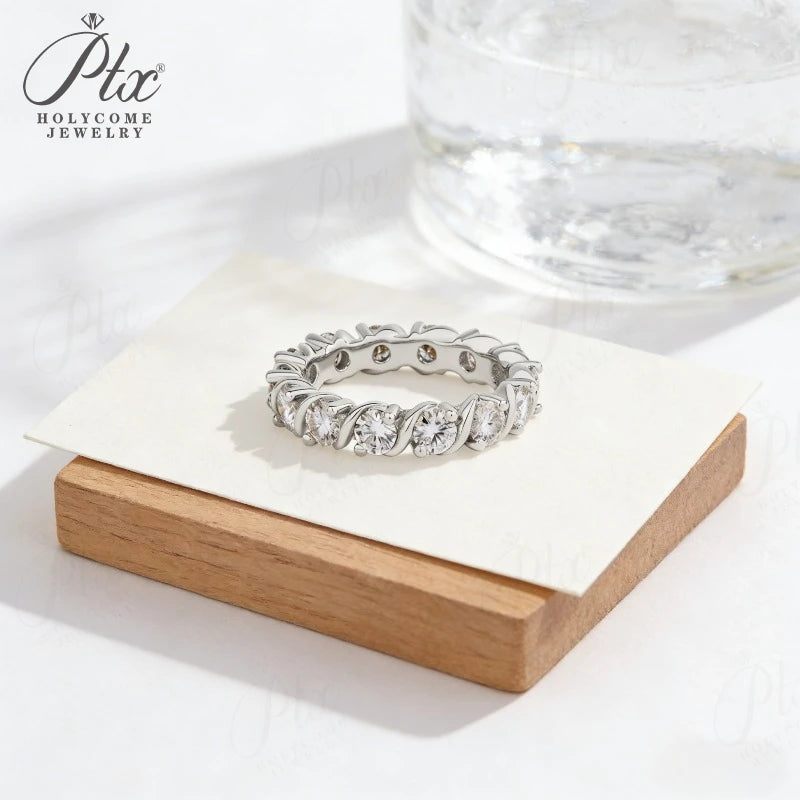
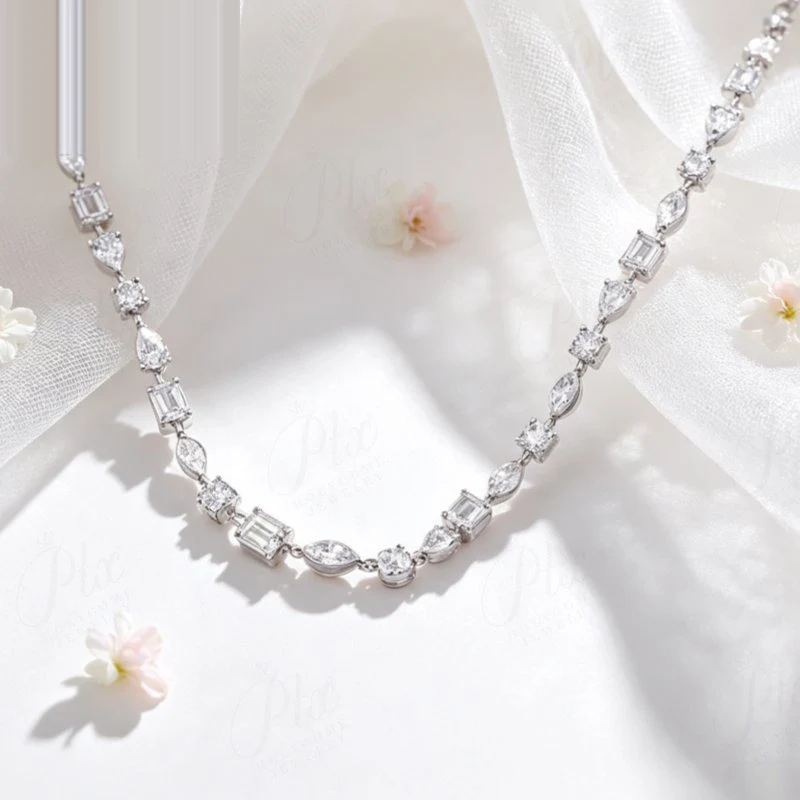
Compliance: Nickel, Lead and Stamp Checks for Care & Materials
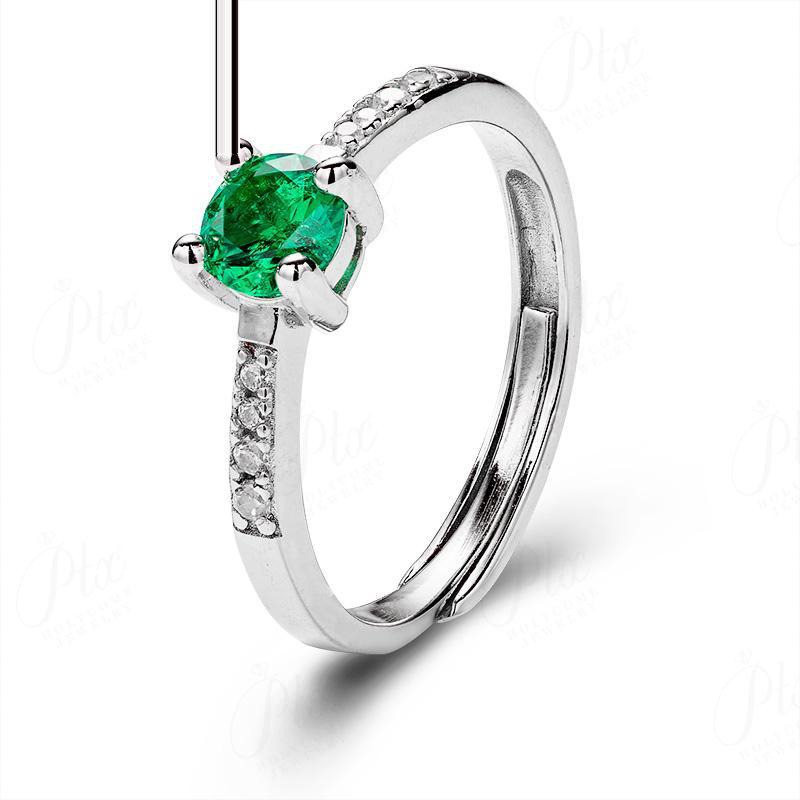
Care & Cleaning — the notes below follow the order we actually quote, sample and ship these pieces.
A Care & Materials lot crosses customs and sits under store lights before it reaches the end customer. Nickel release, lead content, stamp clarity and the stone certificate decide whether the piece clears the border and stays on the shelf. This page walks through the compliance checks a wholesale buyer should ask for on a Care & Materials order before the deposit is paid.
For US boutiques, Amazon sellers and retail chains, a compliance gap on Care & Materials usually surfaces at the border or in a returns ticket, long after the order shipped. The cleanest fix is to write the nickel, lead, stamp and certificate requirements into the spec sheet on the first article, so the bulk lot is checked against the same standard.
The checks below follow the same nickel, lead, stamp and certificate lines HOLYCOME applies to its own care & materials production floor. Use them as the spec-sheet checklist for a first care & materials sample, then carry the same test references into every repeat order.
Nickel release on Care & Materials
US and EU rules limit nickel release on skin-contact jewelry to 0.5 µg/cm² per week. On Care & Materials, the contact surface is where the plating matters most: a rhodium plate over 925 silver keeps the alloy under the limit, while a thin or worn plate lets copper and nickel migrate through and trigger a reaction over months of wear.
Ask the supplier for a nickel release test on the care & materials batch, not a general material declaration. The report should state the release rate in µg/cm²/week and the batch it covers. For plated Care & Materials, confirm the plating thickness and whether re-plating is offered after wear, because the nickel barrier degrades with scratches and polishing.
Watch the friction points on care & materials — edges, backs and posts where skin touches most. Those wear first, and a plating that looks thick on the bench can be thin after a season of daily wear. Ask where the plating is applied and how its thickness is measured before you quote the retail price.
Lead and cadmium limits
Lead is not intentionally added to modern 925 casting, but solder, the plating bath and antique finishes can carry trace lead. Cadmium appears mainly in low-cost alloy and some colored plating. The common compliance lines are lead below 100 ppm and cadmium below 75 ppm for jewelry sold into the US and EU.
A quarterly batch test is the safety net for care & materials: keep the report with the carton records so a channel auditor or a marketplace review can trace the lot. If the care & materials line uses enamel, colored plating or brass alloy, request the lead and cadmium figures specifically, since those are the finishes most likely to run higher.
Keep the test result tied to the batch, not the design name. A supplier that tests one sample and repeats the declaration for six lots is not giving you batch-level evidence. For a repeat care & materials order, request a fresh report each production run so the file matches what actually shipped.
| Check | Standard | Frequency | What to request |
|---|---|---|---|
| Nickel release | <0.5 µg/cm²/week | Every batch | Batch nickel release report |
| Lead content | <100 ppm | Quarterly | Lead and cadmium test report |
| Cadmium | <75 ppm | Quarterly | Alloy and plating test report |
| Metal stamp | 925 silver / 10K·14K·18K gold | Each piece | Stamp photo on first article |
| Stone certificate | Number matches the piece | Per stone or parcel | Certificate or grading report |
Stamp and hallmark on Care & Materials
Every silver care & materials piece should carry a 925 stamp; gold pieces carry 10K, 14K or 18K. The stamp is the maker declaration of metal, and a care & materials piece sold as silver without the stamp cannot clear a US retail inspection. On the first article, ask for a close-up stamp photo before bulk runs.
If the stamp is missing, crooked or the karat is wrong, the bench should stop and re-run that piece rather than pack it out. Check stamp position and legibility on the sample, and confirm the hallmark matches the metal declared on the spec sheet for the care & materials range.
Stamp legibility matters as much as presence. A shallow stamp that fills with plating reads as missing under a loupe, and an off-center stamp looks unfinished in product photos. Confirm the stamp depth and position on the sample before the mold is locked for bulk.
How the QC log travels with the lot
On the HOLYCOME bench, every care & materials lot moves through six QC stations: incoming stone check, metal and weight check, setting and prong check, plating finish check, stone levelness, and a final stamp and paper review. Each station logs its result, and the lot only moves forward when the station passes.
Ask for that QC summary with the shipping photos. It lets you match what arrived against the approved first article, and it gives your own store or marketplace a traceable record if a care & materials piece is ever questioned on materials or finish.
Stone certification
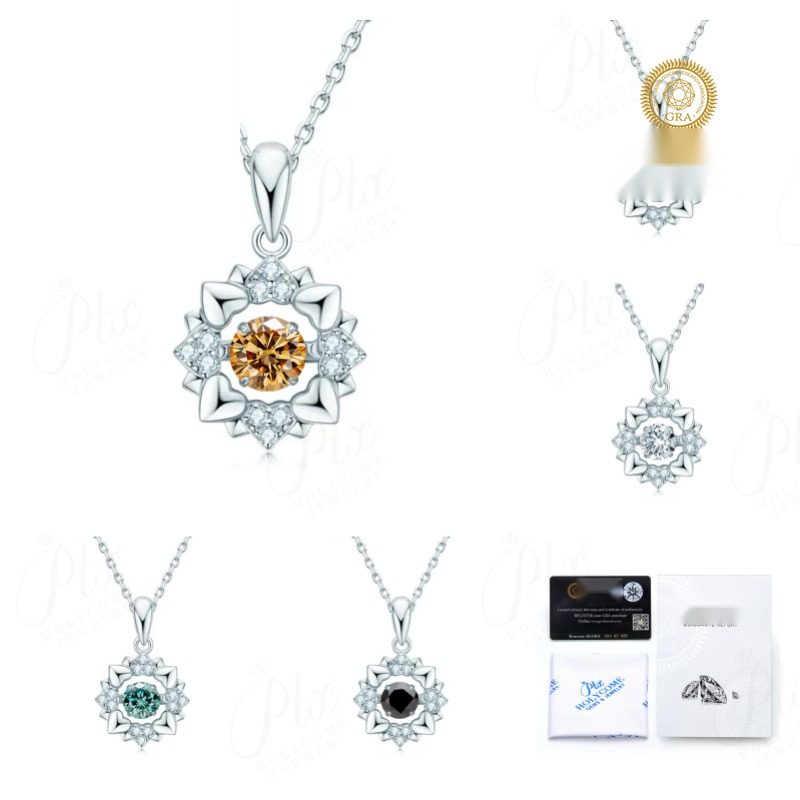
Moissanite ships with a moissanite certificate; lab-grown diamond ships with a grading report; natural stone carries a GIA or CGL-style report. On a care & materials piece sold with a stone, the certificate number should match the piece and the listing, so a buyer or auditor can verify it.
A care & materials piece marketed as moissanite or lab diamond without its certificate is a compliance and trust problem, not a marketing detail. Keep the certificate field on the product page and record the report number against the parcel in your order files.
Customs and import paperwork
US customs expects a commercial invoice, packing list, country of origin, HS code and the stone certificates. Care & Materials shipments from Wuzhou, China list China as origin; missing paperwork holds a shipment about a week and adds a charge on the next order.
Before the carton leaves, confirm the invoice value matches the commercial declaration, the packing list matches the pieces, and the certificate pack travels with the lot. A clean paper pack is what keeps a care & materials reorder moving through customs without a second inspection.
Keep the HS code and declared value consistent between the factory invoice, the commercial invoice and the listing. A mismatch on material description or value is the most common reason a care & materials parcel is held for a second look, even when the jewelry itself meets the standards.
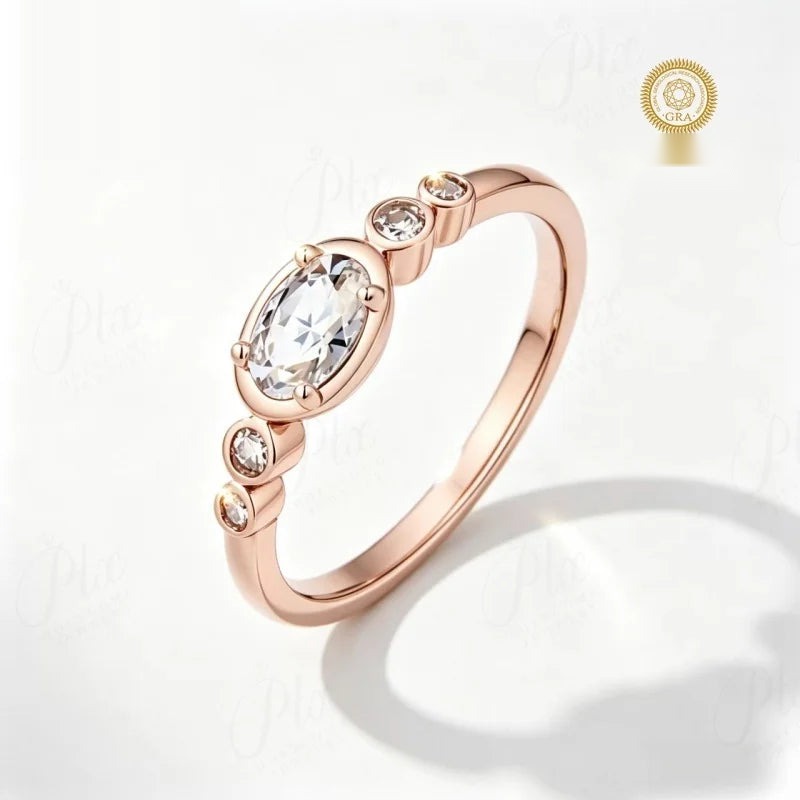
Your Care & Materials compliance checklist
- Require nickel release below 0.5 µg/cm²/week on the care & materials lot.
- Test lead below 100 ppm and cadmium below 75 ppm each quarter.
- Stamp every piece: 925 for silver, the karat for gold.
- Ship moissanite with a certificate and lab diamond with a grading report.
- Match the certificate number to the piece and the listing.
- Send commercial invoice, packing list and country-of-origin papers.
- Keep test reports on file for the buyer channel and marketplace audit.
Frequently Asked Questions
Do I need a nickel test for Care & Materials?
Yes. US and EU rules limit nickel release on skin-contact pieces. A rhodium plate over 925 keeps it under 0.5 µg/cm²/week; ask for the batch nickel release report for the care & materials order.
Is 925 silver safe for skin?
Yes when rhodium plated. A worn plate can expose the copper alloy; re-plating restores the barrier. Check the plating thickness on the first sample of the care & materials range.
What certificate comes with a Care & Materials stone?
Moissanite ships with a certificate, lab diamond with a grading report, and natural stone with a GIA or CGL-style report. The number matches the piece and is listed on the product page.
What papers clear Care & Materials through US customs?
Commercial invoice, packing list, country of origin (Wuzhou), HS code and the stone certificates. A missing paper holds the shipment about a week.
What stamp should a Care & Materials silver piece carry?
925. Gold pieces carry 10K, 14K or 18K. A piece without the stamp cannot be sold as silver in the US; ask for the stamp photo on the first article.
Related Reading
Next Step
Send us the care & materials design and your channel. We return the nickel test, the stamp photo, the certificate pack and the customs papers with every carton.
HOLYCOME (Wuzhou HengliLai Jewelry Co., Ltd.) has manufactured 925 sterling silver and moissanite jewelry for US boutiques, Amazon sellers and retail buyers since 2009. Monthly capacity is about 60,000 pieces, MOQ is 50 pieces per design, sample in 3-5 days and bulk in 15-20 days. We run a six-station QC log on every lot and pack each piece in an anti-tarnish pouch with a foam tray. Contact service@holycome.com or WhatsApp +86 133 7744 7107.
Every figure here is quoted from our own bench in Wuzhou.
Send a spec sheet