Buying & Wholesale: Durability: The Three Wear Points That Decide Lifespan

Buying & Wholesale — the notes below follow the order we actually quote, sample and ship these pieces.
Durability on Buying & Wholesale is not a material property alone. It is three wear points, each with its own failure mode and its own fix.
Wear point one: the contact surface
The shank inner face, the clasp and the ear post touch skin and other objects most. On Buying & Wholesale, plating wear almost always starts at one of those three.
Thickness and pre-plate cleaning decide how long it lasts. A 0.3 micron plate at the shank wears through in a season of daily wear.
Write the remedy matrix before the first defect: remake, credit, allowance or rework, each tied to a defect class.
Wear point two: the setting
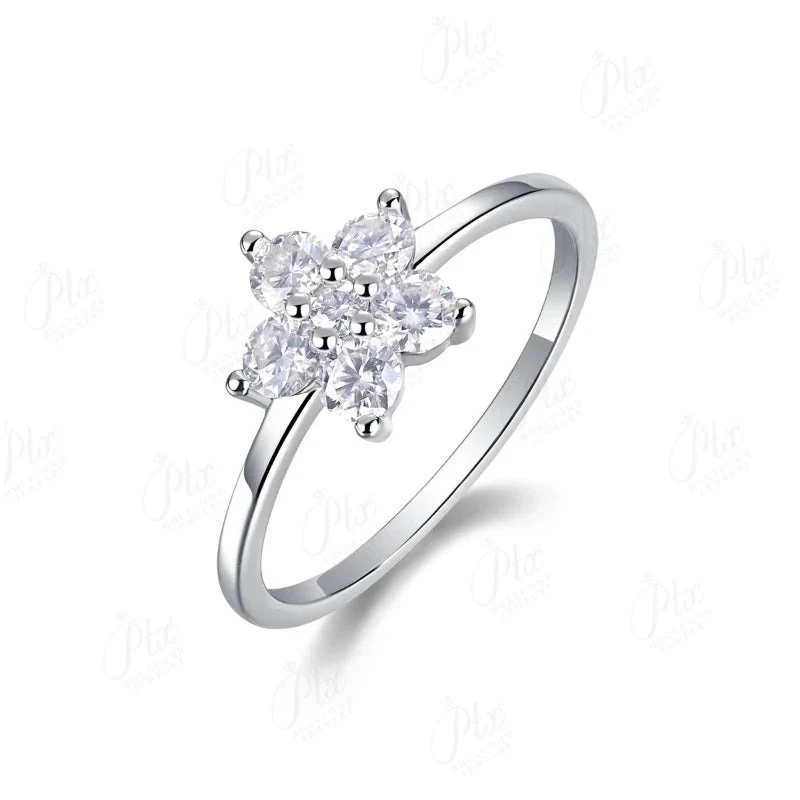
Prongs bend, bezels hold. A four-prong setting exposes the stone and the prongs; a bezel protects both and costs more bench time.
On Buying & Wholesale, the setting choice is also a maintenance choice: prongs need checking, bezels rarely do.
| Wear point | Failure mode | Control |
|---|---|---|
| Contact surface | Plate wear, tarnish | 0.8+ micron, e-coat |
| Setting | Loose stone, bent prong | Seat depth, prong check |
| Joint | Clasp break, hinge wear | Rating matched to weight |
| Surface | Scratches | Finish choice |
Read the table as a checklist rather than a recommendation. The right row depends on the price band, the wear pattern and the channel you sell into.
Build the landing date from ship date plus transit plus clearance. Planning from the ship date alone makes every season a week late.
Wear point three: the joint
Clasps, hinges and sizing joints carry load. A lightweight clasp on a heavy chain is the most common structural failure in the category.
Match the clasp rating to the weight of the piece, and test the joint under load before the lot is released.
Designing for repair
A piece that can be replated, resized and re-pronged lasts longer than one that cannot. Ask at the design stage, not after the first return.
On Buying & Wholesale, repairability is a specification, not an afterthought.
Capacity is the constraint that price cannot solve. In peak season a cheaper factory with no slot is more expensive than a dearer one with a date.
What to check before the order
Run the five checks below in order. The first two protect the money, the last three protect the launch date.
- Identify the three wear points in the design.
- Set plating thickness at the contact surface.
- Check seat depth and prong length.
- Match the clasp rating to the weight.
- Design for replating and resizing.
If a supplier cannot answer three of the five, treat the quote as a starting point rather than a plan. Ask again in writing and keep the answer with the PO.
Frequently Asked Questions
How long should Buying & Wholesale last?
Daily wear with 0.8 micron plating and a protected setting typically holds 12 to 24 months before a replate. Thinner plating shortens that sharply.
Why do prongs fail?
Too short a prong, too deep a seat or repeated snagging. A prong check at QC catches the first two.
Is a bezel more durable than prongs?
For the stone, yes. It protects the girdle and removes snag risk, at the cost of bench time.
Can plated jewelry be repaired?
Yes, by replating. Ask for the service and the price before you need it.
What shortens lifespan most?
Thin plating at the contact points, followed by a clasp under-rated for the weight.
Should I buy stock or made to order?
Stock for the top three designs, made to order for the tail. Stock cover is a calculation from sell-through and lead time.
Send the Buying & Wholesale design. We return a three-wear-point review with the plating, setting and clasp specification for each. See the full range at HOLYCOME.
Buyers who get consistent lots are not luckier. They wrote the spec down and checked the first carton against it.
Every figure here is quoted from our own bench in Wuzhou.
Send a spec sheet